EPA Proposes Halting New Emissions Rules for Power Plants
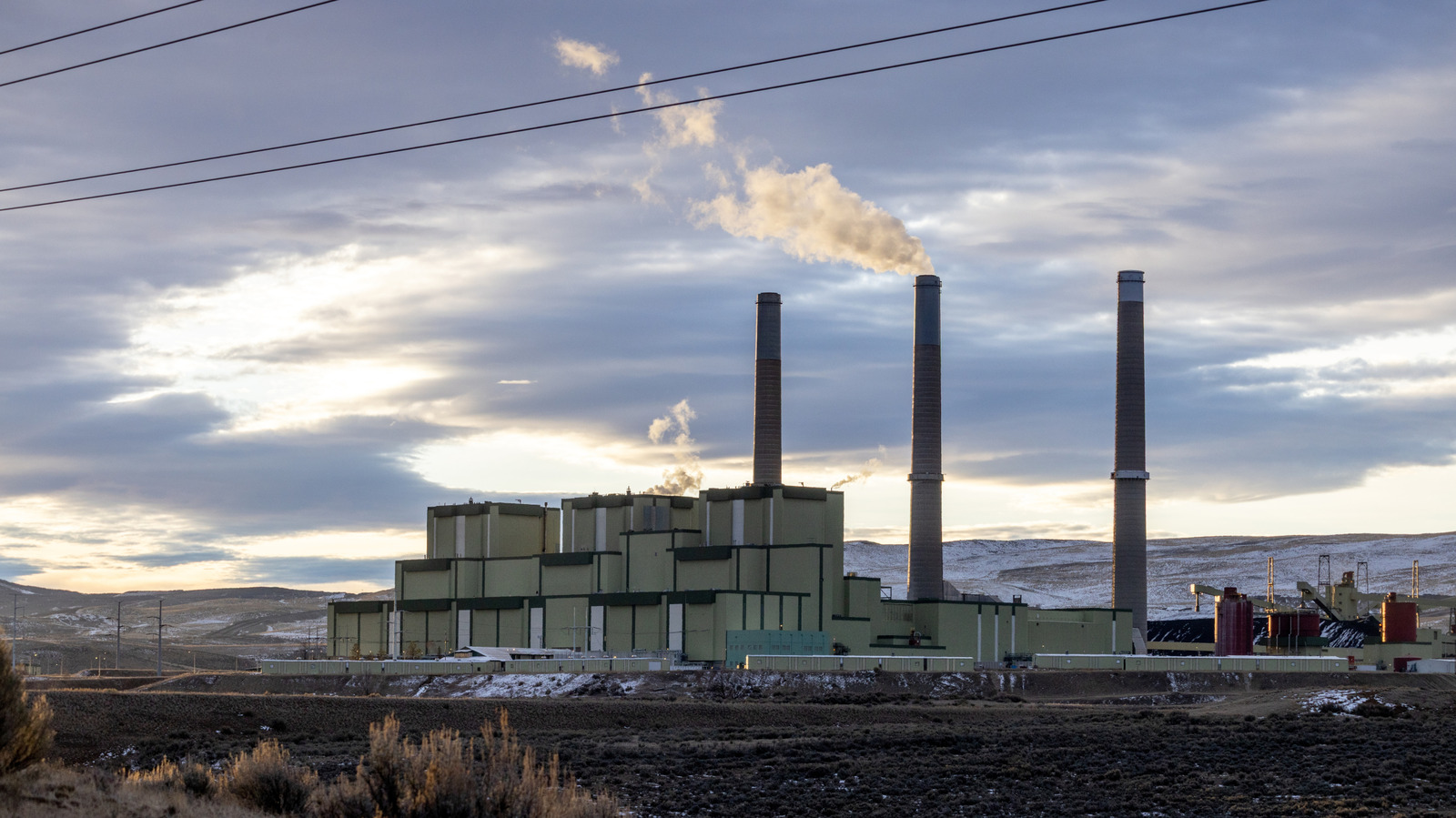
The Environmental Protection Agency announced a proposal to cease further regulation of emissions from U.S. power plants, marking a significant shift in the agency's approach to air quality oversight.
Under the plan, the EPA would withdraw pending rules that would have required additional controls on pollutants such as nitrogen oxides, sulfur dioxide, and carbon dioxide emitted by coal- and gas‑fired generators. Agency officials said the move is intended to reduce what they describe as undue regulatory burdens on the electricity sector.
The proposal arrives amid a broader regulatory landscape shaped by the Clean Air Act, which has historically empowered the EPA to set national standards for hazardous air pollutants. Past administrations have issued landmark rules—most notably the Clean Power Plan—to curb greenhouse‑gas emissions from large power plants, prompting both legal battles and industry adjustments.
EPA leadership cited concerns about the cost of compliance for utilities and the potential impact on electricity rates for consumers. In a statement, the agency argued that existing standards already provide sufficient protection for public health and that further restrictions could hinder economic competitiveness.
Environmental advocacy groups and several state governments quickly criticized the initiative, warning that rolling back emissions oversight could reverse progress made in reducing smog, acid rain, and climate‑related health risks. Scientists emphasized that power‑plant emissions remain a leading source of air pollutants linked to respiratory illnesses and premature deaths.
If implemented, the policy shift could affect millions of Americans living near coal‑dependent regions, where air‑quality improvements over the past decade have been attributed in part to stricter emissions controls. Public‑health experts note that any relaxation of standards may increase exposure to fine particulate matter, a known contributor to cardiovascular disease.
The timing of the EPA's proposal coincides with heightened political debate over environmental regulation, as lawmakers on both sides of the aisle weigh the balance between economic growth and climate action. The administration has signaled broader deregulatory goals across multiple sectors, a stance that could shape upcoming legislative agendas.
Regulated parties and the public are invited to submit comments during the open comment period, after which the agency will review feedback before deciding whether to finalize the rollback. Legal challenges are expected, given the precedent of court interventions in past EPA rulemaking.
The outcome of this proposal will likely influence the trajectory of U.S. air‑quality policy for years to come, affecting everything from local health outcomes to the nation's broader climate commitments.


Comments (0)
Be the first to comment.
Join the discussion