Ember's Third‑Gen Self‑Heating Mug Faces Price Hurdle Despite Innovative Features
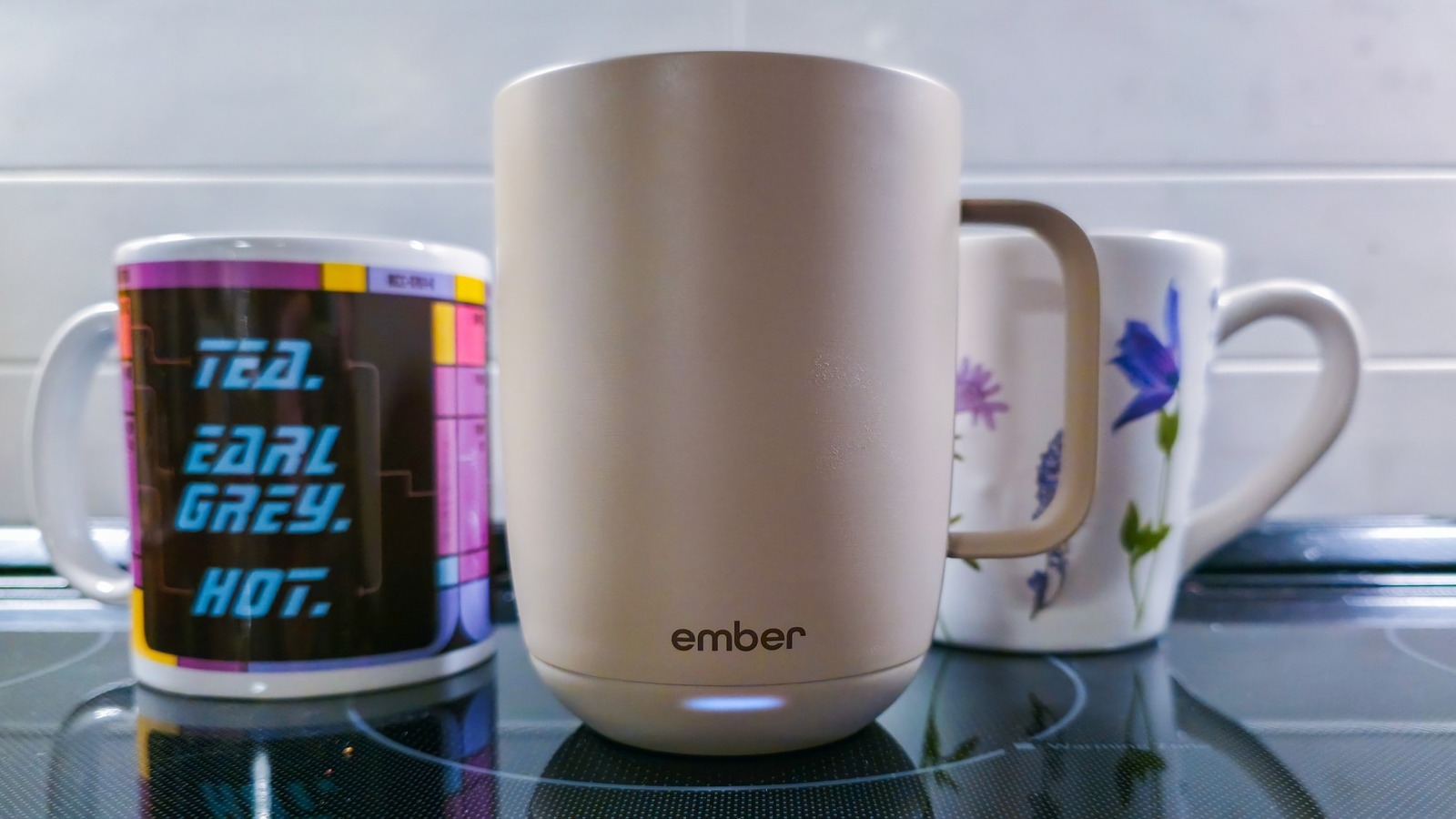
Ember has rolled out its third‑generation self‑heating mug, a device that promises to keep beverages at a user‑set temperature for hours, but the $150 price tag is prompting consumers to weigh novelty against cost.
The Ember Mug 3 builds on the company’s earlier models by adding a larger 12‑ounce capacity, a redesigned lid that claims a tighter seal, and a refreshed companion app that lets users set and monitor temperatures from 120°F to 145°F. The mug’s battery, housed in a removable base, can reportedly sustain warmth for up to five hours on a single charge, a modest improvement over the previous generation.
Self‑heating drinkware has carved out a niche among commuters, office workers, and remote‑learning students who want to avoid lukewarm coffee or tea. Ember entered the market in 2016 and has since expanded its lineup to include travel tumblers and a smart water bottle, positioning itself as a premium brand in a segment that still sees many low‑cost alternatives. The Mug 3’s features are technically sound, but the price places it well above most competitors that offer basic insulation for a fraction of the cost.
Critics note that while the mug’s temperature‑control algorithm is precise, the practical benefits may be limited for typical daily use. A cup that stays hot for several hours can be useful, yet many users already rely on insulated containers that keep drinks warm without electronics. Moreover, the need to charge the base and the possibility of battery degradation over time add layers of maintenance that some shoppers find unnecessary.
Industry analysts point out that Ember’s pricing strategy reflects its brand positioning rather than pure performance metrics. By bundling hardware with software updates and a sleek aesthetic, Ember targets consumers who value convenience and connectivity. However, the $150 price point narrows the potential market, especially as rival products from companies like Contigo and Thermos continue to improve insulation technology at lower price tiers.
Looking ahead, Ember may need to justify its premium through additional ecosystem features, such as integration with smart home assistants or expanded recipe‑sharing capabilities within its app. Until then, the Mug 3 is likely to appeal mainly to early adopters and brand loyalists, while the broader audience may stick with more affordable insulated mugs that deliver comparable warmth without the digital frill.



Comments (0)
Be the first to comment.
Join the discussion