Dual USB‑C Power: How Two Charging Ports Can Boost Laptop Flexibility
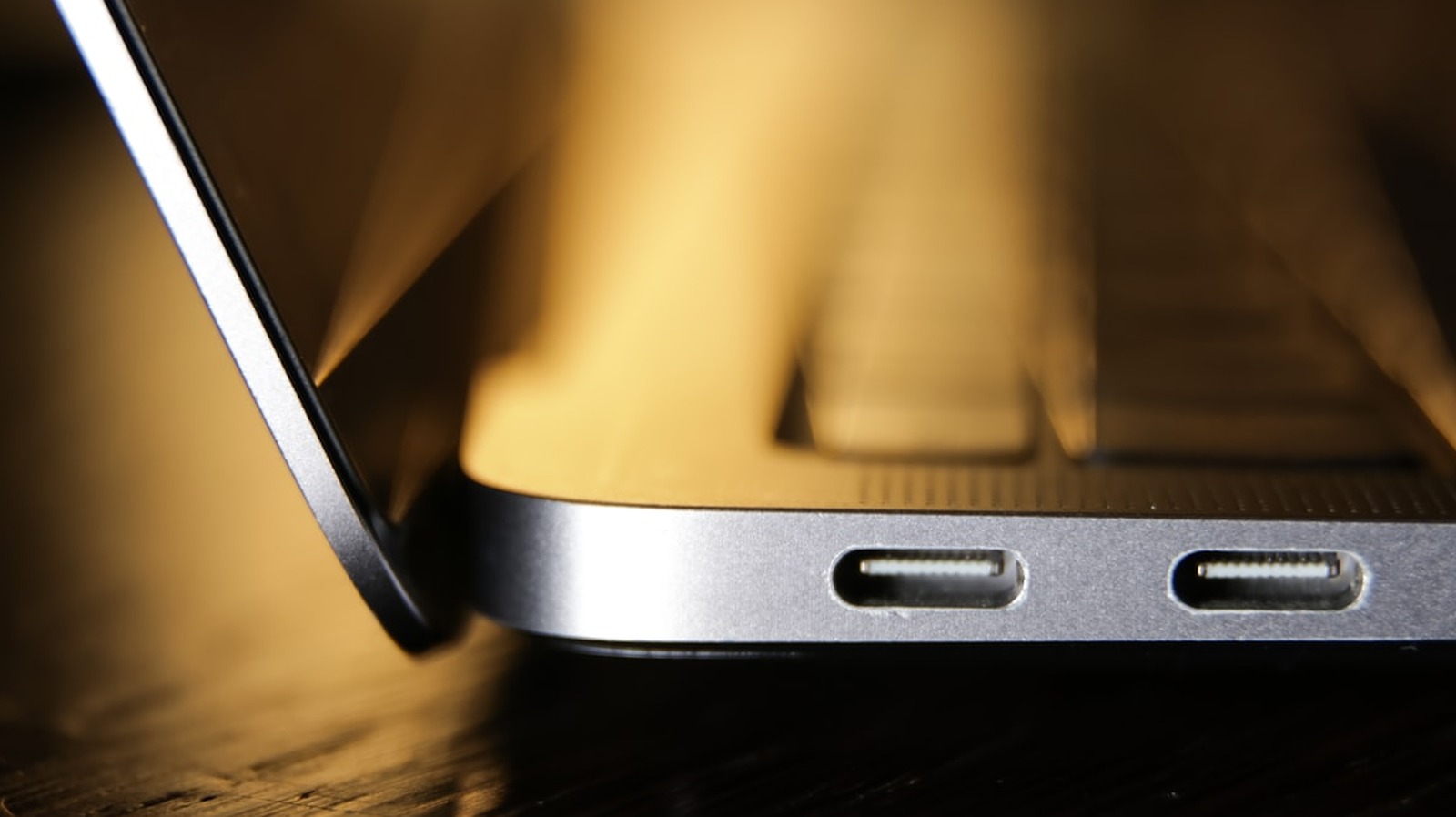
When shoppers compare new laptops, the number of USB‑C ports often slips past the headline specs, yet having two dedicated charging connectors can significantly improve day‑to‑day usability. A second power port lets users keep a charger plugged in while still attaching peripherals—such as external monitors, docks, or storage devices—without resorting to costly adapters or sacrificing performance.
Manufacturers that equip a device with dual charging ports give power‑hungry users a practical workaround for the growing demand of high‑resolution displays and fast‑charging needs. Users can connect one port to a wall adapter for rapid battery replenishment while the other supplies power to a USB‑C hub or an external GPU enclosure, maintaining full functionality without draining the battery.
However, not every laptop includes this feature. Design constraints, such as thinner chassis and limited internal space, often force engineers to prioritize a single power inlet. Adding a second charging socket can increase component costs and complicate thermal management, especially in ultra‑light ultrabooks where every millimeter counts. Some brands therefore opt for a single port paired with a proprietary charging solution to keep weight and price down.
The trade‑off matters for professionals who travel frequently or run multiple high‑bandwidth accessories. In scenarios like a remote‑working setup, a dual‑port model allows a user to keep a laptop charging from a desk outlet while simultaneously powering a docking station that supplies video, Ethernet, and additional USB devices. This eliminates the need to unplug and replug cables when moving between locations, reducing wear on connectors and minimizing workflow interruptions.
Looking ahead, the industry may see a gradual shift toward more versatile port layouts as USB‑C continues to replace legacy connectors. Advances in power‑delivery standards and slimmer connector designs could make it easier for manufacturers to incorporate two charging ports without compromising thinness. For now, buyers who value uninterrupted power and peripheral connectivity should scrutinize the port configuration during their next laptop hunt, weighing the convenience of dual charging against the potential cost and size premiums that come with it.


Comments (0)
Be the first to comment.
Join the discussion