Experts Advise Protective Cases and Certified Chargers to Safeguard New iPhone 18 Pro Models
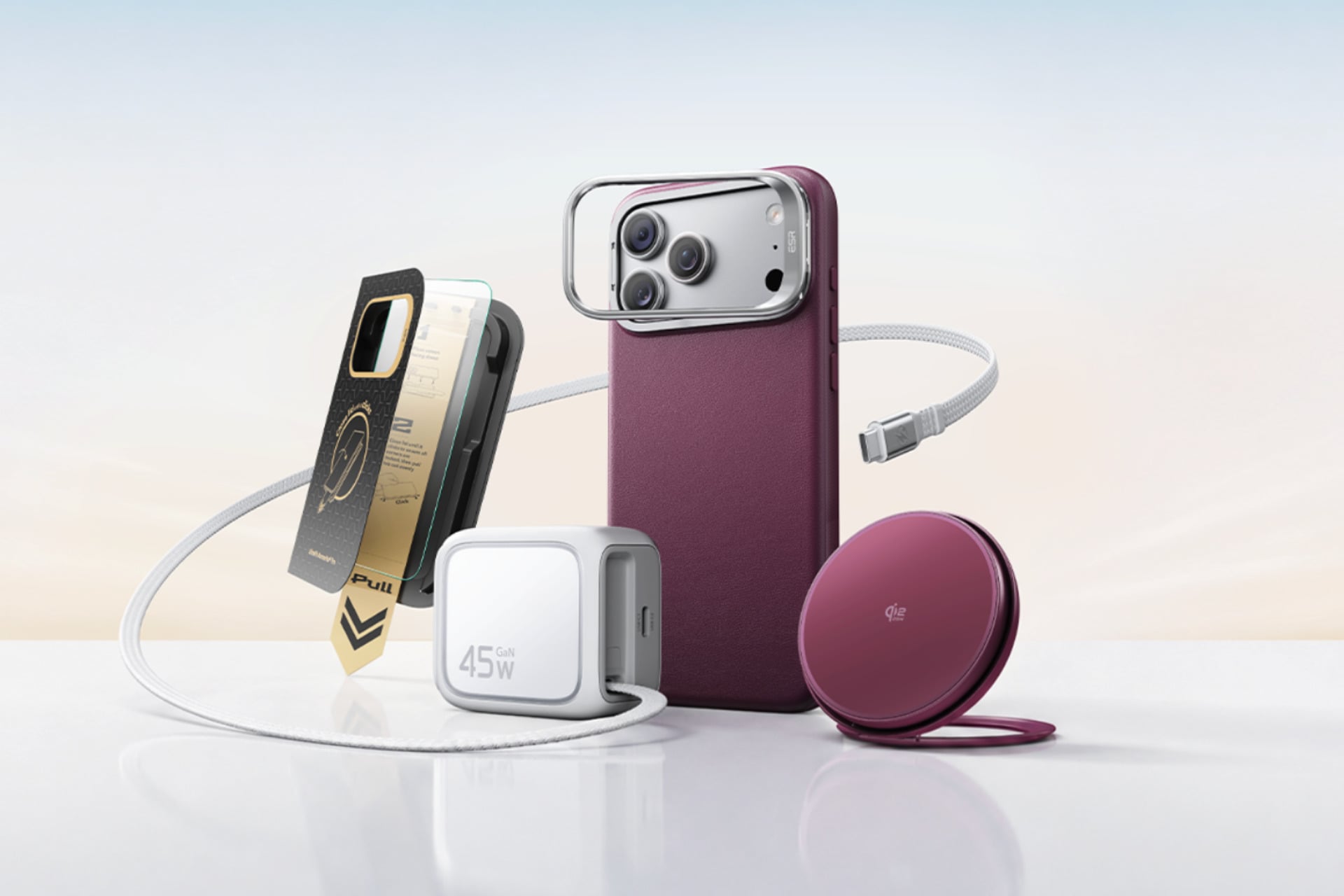
The latest iPhone 18 Pro and Pro Max have hit stores with a slew of upgraded cameras, faster chips and a refreshed design, but owners are being reminded that the device’s sleek exterior also makes it vulnerable to everyday mishaps.
Consumer safety experts say the most effective way to protect the flagship phones from drops and scratches is to pair them with a well‑engineered case. Hard‑shell, silicone‑lined or hybrid designs that absorb impact while maintaining a low profile are topping recommendation lists. In particular, cases that cover the camera module and edges without adding excessive bulk are praised for preserving both aesthetics and functionality.
Equally important, specialists warn that the iPhone 18 Pro’s faster charging capabilities demand a charger that meets Apple’s certification standards. Using uncertified or low‑quality power bricks can lead to overheating, reduced battery lifespan, or even safety hazards. Certified USB‑C adapters that support the phone’s maximum power draw, along with quality cables, are recommended to keep the battery healthy while taking advantage of the device’s rapid‑charge feature.
The focus on accessories reflects a broader shift in how consumers treat premium smartphones. Over the past few years, Apple and third‑party manufacturers have expanded their accessory ecosystems, offering products that claim to extend device longevity and reduce electronic waste. Analysts note that users who invest in protective gear early tend to experience fewer repair claims, which can translate into lower overall ownership costs.
Looking ahead, Apple is expected to continue emphasizing accessory compatibility in its marketing, while regulatory bodies may tighten standards for third‑party chargers. In the meantime, tech reviewers suggest that new iPhone owners prioritize a reputable case and a certified charger as the first steps toward safeguarding their investment and ensuring reliable performance throughout the device’s lifespan.


Comments (0)
Be the first to comment.
Join the discussion