Domestic Flight Prices Surge to $390, Prompting Early Holiday Booking Advice
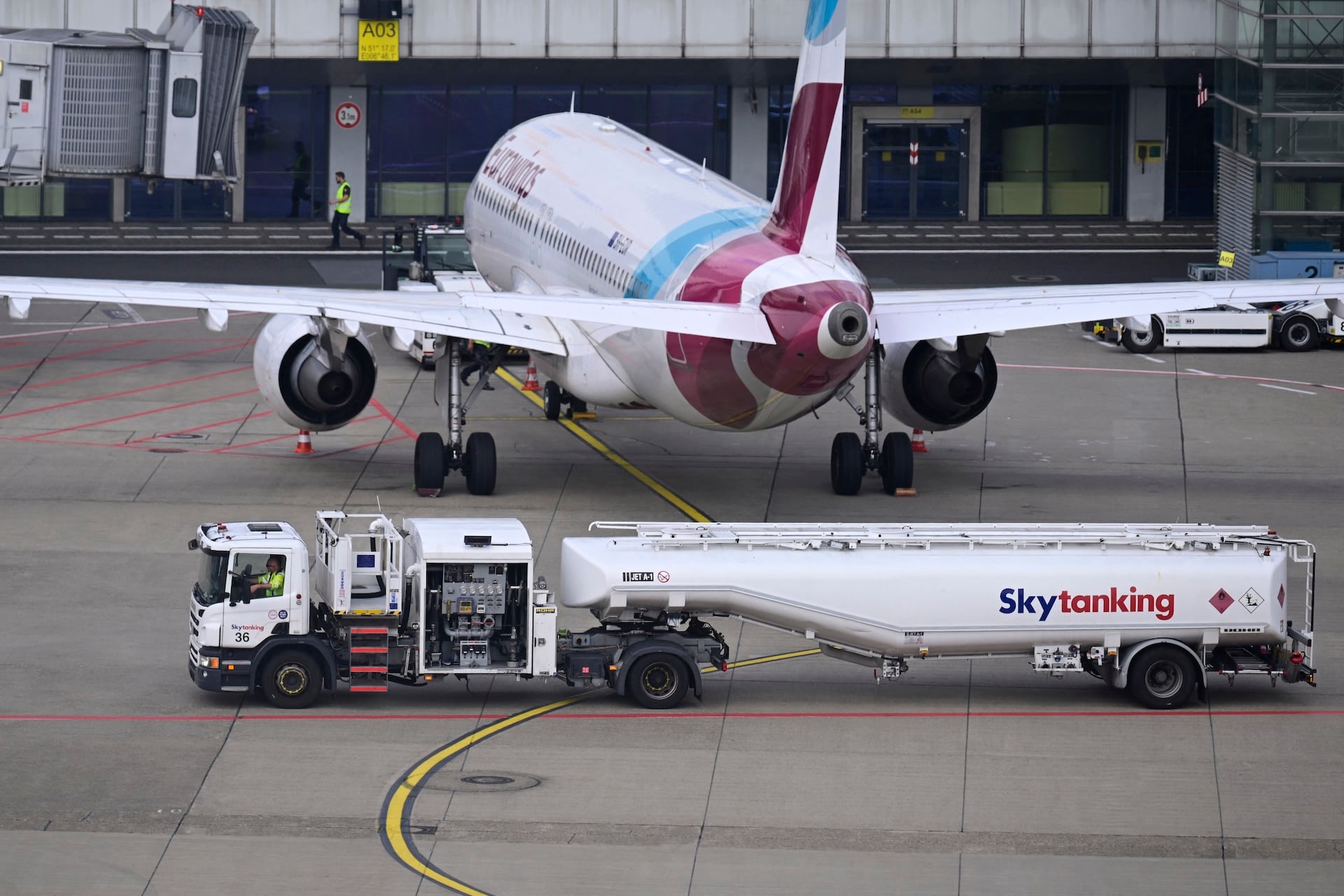
The average cost of a U.S. domestic airline ticket has risen to $390, a $100 increase from the same period last year, prompting travel experts to advise consumers to lock in holiday flights as soon as possible.
The figure was highlighted in a recent Gizmodo analysis that compiled pricing data from major carriers and travel aggregators, showing a nationwide uptick that reflects both higher base fares and added fees across the board.
Industry observers point to a confluence of factors behind the jump: volatile fuel prices, tighter labor markets, and a surge in demand as pandemic‑related travel restrictions ease. Airlines have also been operating with reduced seat inventory on many routes, a strategy that can drive prices higher when demand outpaces supply.
For travelers, the rise translates into tighter budgets, especially for families planning multi‑leg trips or those who rely on air travel for holiday reunions. Higher fares may push some consumers toward alternative modes such as driving or taking trains, but those options often involve longer travel times and limited availability.
Airlines typically increase fares as departure dates approach, with the steepest hikes occurring in the weeks leading up to Thanksgiving and Christmas. Booking early can therefore secure lower rates before airlines fully adjust prices to match peak‑season demand.
Looking ahead, analysts suggest the upward pressure could persist if fuel costs remain elevated or if airlines hesitate to add additional capacity. However, any stabilization in oil markets or a strategic increase in flight frequencies could temper the trend, offering a potential reprieve for price‑sensitive travelers.
In the meantime, experts recommend shoppers compare multiple airlines, set price alerts, and remain flexible with travel dates where possible. Acting promptly may be the most effective way to avoid the steepest price spikes and ensure a more affordable holiday journey.



Comments (0)
Be the first to comment.
Join the discussion