Dash Camera Legality: A State-by-State Maze for Drivers
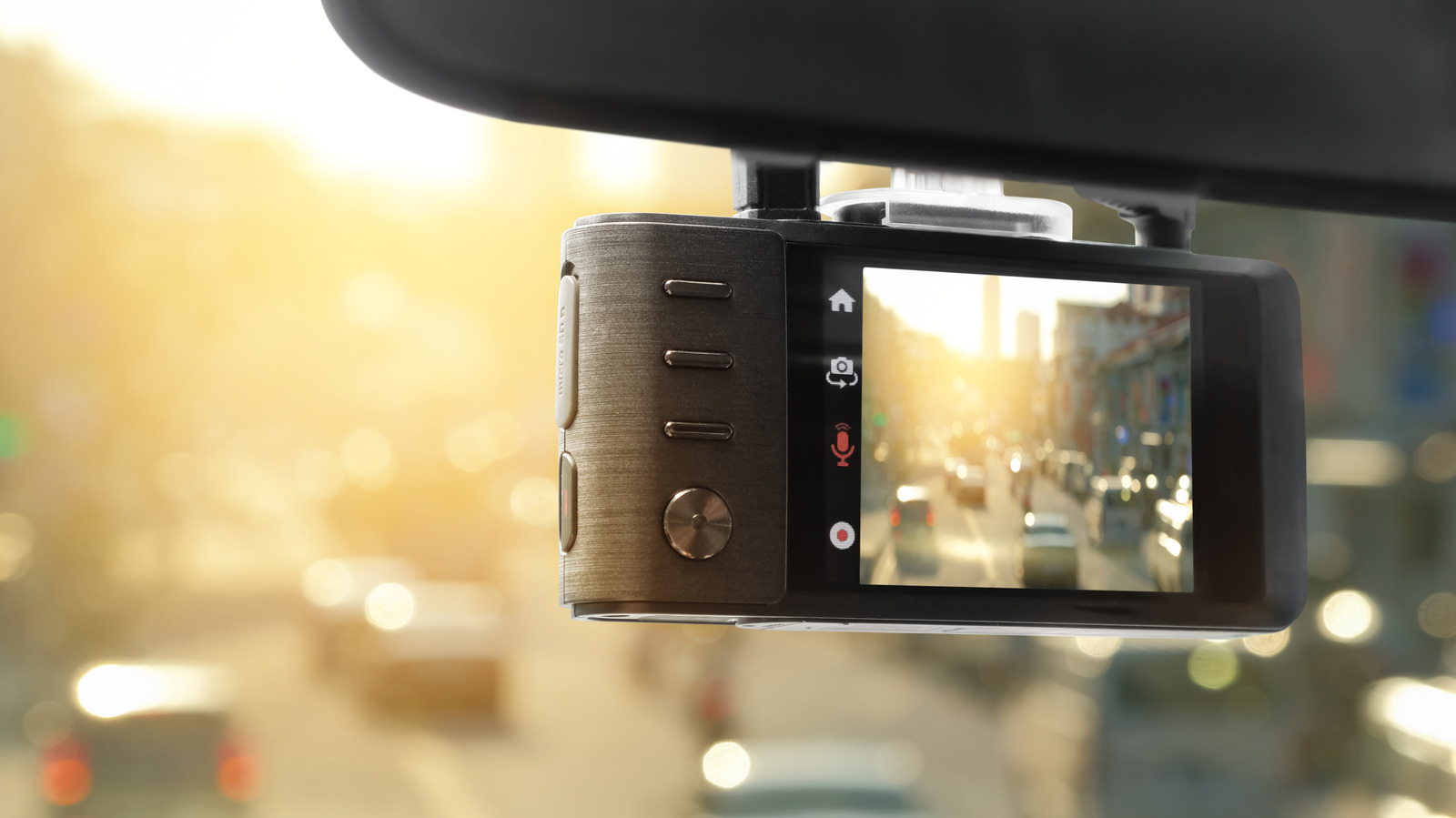
Drivers relying on dashboard cameras for security and evidence on the road may be surprised to learn that the legality of these devices is far from uniform across the United States. While increasingly popular, dash cams operate within a complex legal framework that varies significantly from one state to another, posing potential challenges for motorists, particularly those traveling across state lines.
This patchwork of regulations means that a dash cam perfectly permissible in a driver's home state could lead to unexpected legal issues or fines when crossing into a neighboring jurisdiction. The primary concerns driving these varied laws often center on privacy rights of individuals captured on video and potential obstruction of a driver's field of vision.
Jurisdictions may impose restrictions on several aspects of dash cam use. For instance, some states have specific rules regarding where a device can be mounted on the windshield or dashboard to prevent it from impeding the driver's view. Others may have stricter regulations concerning audio recording, particularly in 'two-party consent' states where all parties involved in a conversation must agree to be recorded. These nuanced differences underscore the importance of understanding local statutes.
For any driver planning a road trip or regularly traversing state borders, thorough research into the specific dash cam laws of each state on their route is strongly advised. Information can often be found through state Department of Motor Vehicles websites, legal resources, or even local law enforcement agencies, helping to prevent unwitting violations.
Failing to comply with a state's dash cam regulations could carry various consequences. Drivers might face monetary fines, be compelled to remove the device, or, in more severe cases, find that any footage captured by an illegally placed or operated camera is deemed inadmissible in court or by insurance companies if an incident occurs.
Despite these legal complexities, dash cameras offer considerable advantages. They provide an objective account of traffic incidents, serve as crucial evidence for insurance claims, and can even deter opportunistic theft or vandalism, enhancing overall road safety and personal security for many motorists.
As technology continues to integrate more deeply into daily life and privacy concerns evolve, the regulatory landscape for dash cams is likely to remain dynamic. Drivers are encouraged to stay informed about current laws and exercise due diligence, ensuring their use of these beneficial devices aligns with all applicable local and state regulations.



Comments (0)
Be the first to comment.
Join the discussion