Millennial Coral Records Link Human Warming to Stronger El Niño Events
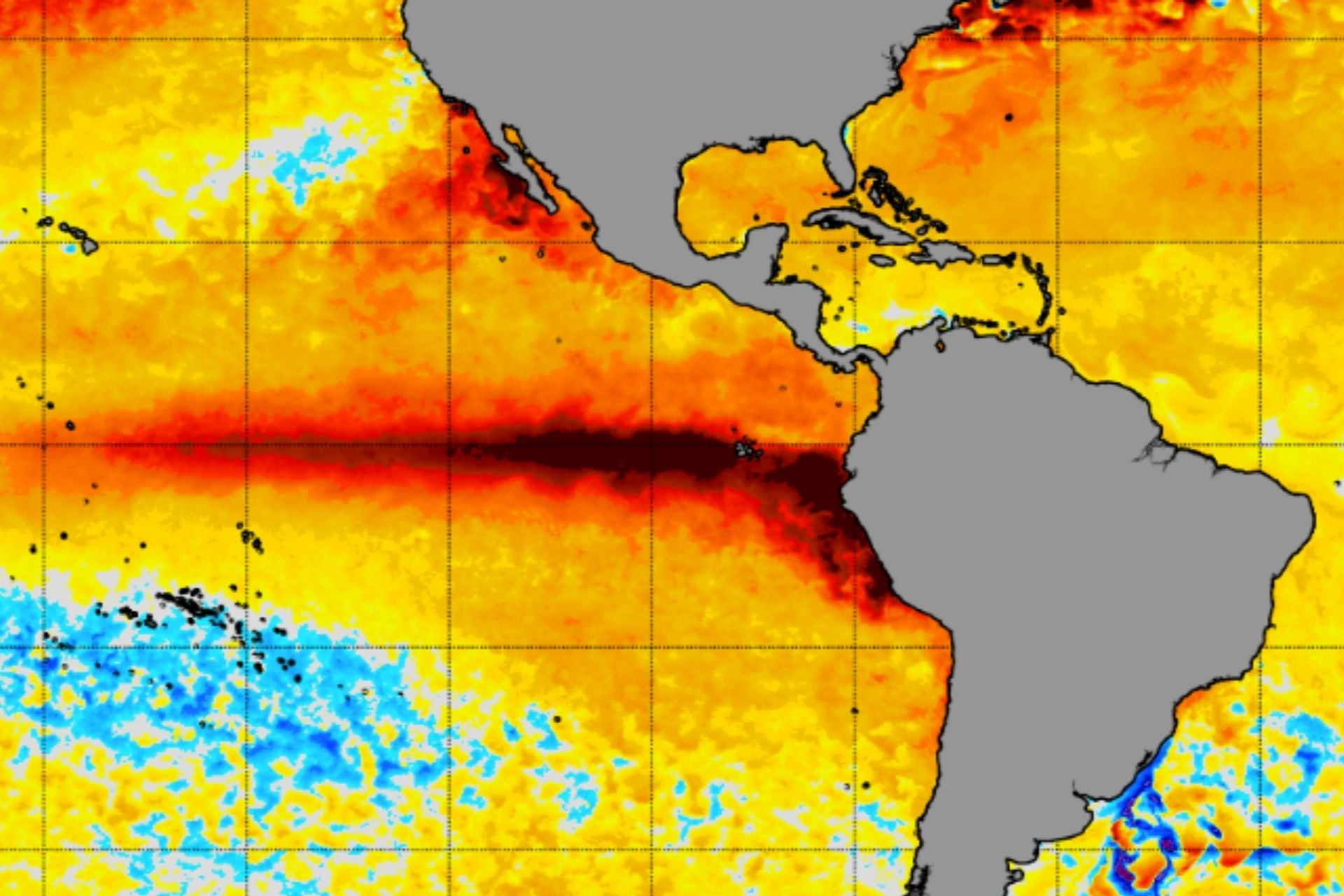
A new paleoclimate study has uncovered a direct connection between rising greenhouse‑gas concentrations and the growing vigor of El Niño episodes, using a continuous thousand‑year record extracted from coral skeletons.
The research team examined the chemical composition of coral cores harvested from the central Pacific, focusing on oxygen‑isotope ratios that reliably track sea‑surface temperature changes over centuries. By aligning these proxy data with historical climate archives, the scientists reconstructed the timing and magnitude of past El Niño events, revealing a clear upward trend in intensity that coincides with the industrial era’s temperature rise.
El Niño, the warm phase of the El Niño‑Southern Oscillation, is known for reshaping global weather patterns—bringing heavy rains to the Americas, drought to parts of Asia and Africa, and disrupting marine ecosystems worldwide. Its variability has long been a focal point for climate scientists seeking to predict extreme weather and its socioeconomic fallout.
The analysis shows that while natural variability has driven El Niño cycles for millennia, the recent centuries exhibit unusually strong anomalies that align with the steepest segment of the modern warming curve. In other words, human‑induced climate change appears to be amplifying the oceanic phenomenon, making severe episodes more likely.
Lead investigators caution that the relationship is still being untangled. The coral record provides robust evidence of a correlation, but the mechanisms by which anthropogenic heat translates into heightened El Niño strength remain under investigation. Factors such as altered wind patterns, changes in thermocline depth, and feedback loops within the Pacific Ocean are all under active scrutiny.
If the observed trend persists, the implications for climate forecasting are significant. Stronger El Niño events could exacerbate flood risks, agricultural losses, and coral bleaching, compounding the challenges already posed by global warming. Policymakers and disaster‑management agencies may need to factor a more volatile El Niño into long‑term planning and resilience strategies.
The authors stress the importance of expanding high‑resolution proxy networks and integrating their findings with modern climate models. Continued monitoring of coral growth, alongside satellite observations and oceanic buoy data, will be crucial for refining predictions and informing mitigation efforts as the planet navigates an increasingly unpredictable climate landscape.



Comments (0)
Be the first to comment.
Join the discussion