Choosing Between Wired and Wireless Xbox Controllers: Benefits and Trade‑offs
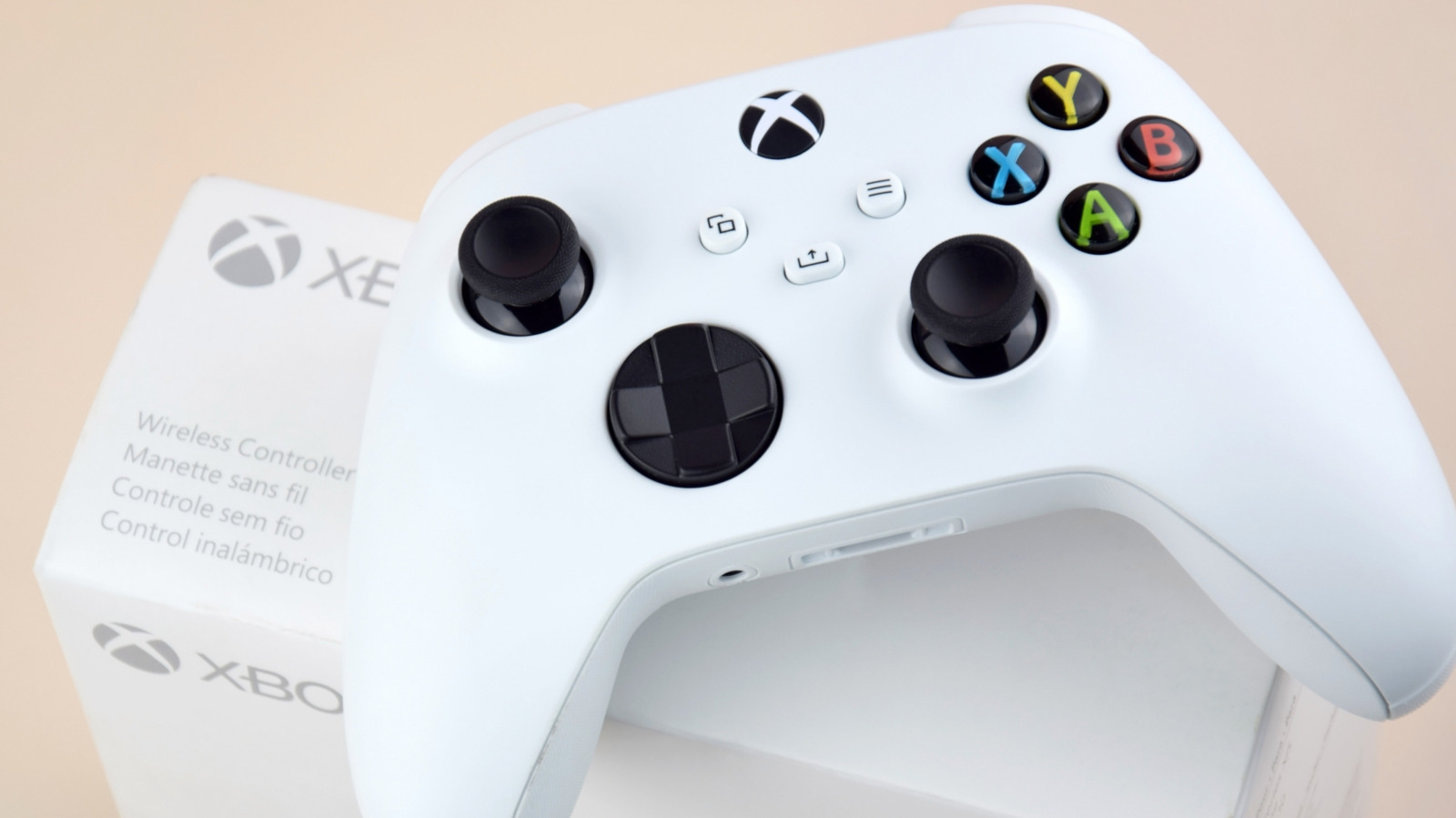
Gamers weighing the merits of a wired versus a wireless Xbox controller face a classic trade‑off between mobility and uninterrupted power, a decision that can shape the comfort and performance of a gaming session.
Wireless models grant players the freedom to sit farther from the console or to rearrange their setup without being tethered to a cable, a convenience that many find essential for larger living rooms or shared spaces. However, this freedom comes with the need to monitor battery life, whether through disposable AA cells or rechargeable packs, introducing a potential interruption if power runs low during critical moments.
In contrast, a wired controller draws power directly from the console, eliminating any concerns about battery depletion. This constant power supply can be especially valuable for marathon gaming sessions or competitive play where a sudden loss of input could affect outcomes. Yet, the physical cable presents its own drawbacks, such as the risk of snagging on furniture, limiting movement, and in some cases, creating a tripping hazard if not managed properly.
Beyond the obvious power considerations, latency is another factor that influences the choice. While modern wireless technology has largely closed the gap, some competitive players still prefer the perceived immediacy of a wired connection, arguing that even a few milliseconds can matter in fast‑paced titles. Conversely, advances in Bluetooth and proprietary wireless protocols have reduced input lag to levels that are imperceptible for most users.
The decision also touches on durability and maintenance. Cables can fray over time, especially with frequent plugging and unplugging, potentially leading to intermittent connectivity. Wireless controllers, meanwhile, rely on internal components that may degrade, and the need to replace or recharge batteries adds a recurring cost.
Ultimately, the choice hinges on personal priorities: whether the flexibility of untethered play outweighs the assurance of endless power, or if the reliability of a wired link justifies the constraints of a cord. As both options continue to evolve, gamers can expect incremental improvements in battery efficiency, cable design, and wireless latency, ensuring that the debate remains nuanced rather than settled.


Comments (0)
Be the first to comment.
Join the discussion