Choosing Between Book‑Style and Clamshell Foldables: Which Suits Daily Use?
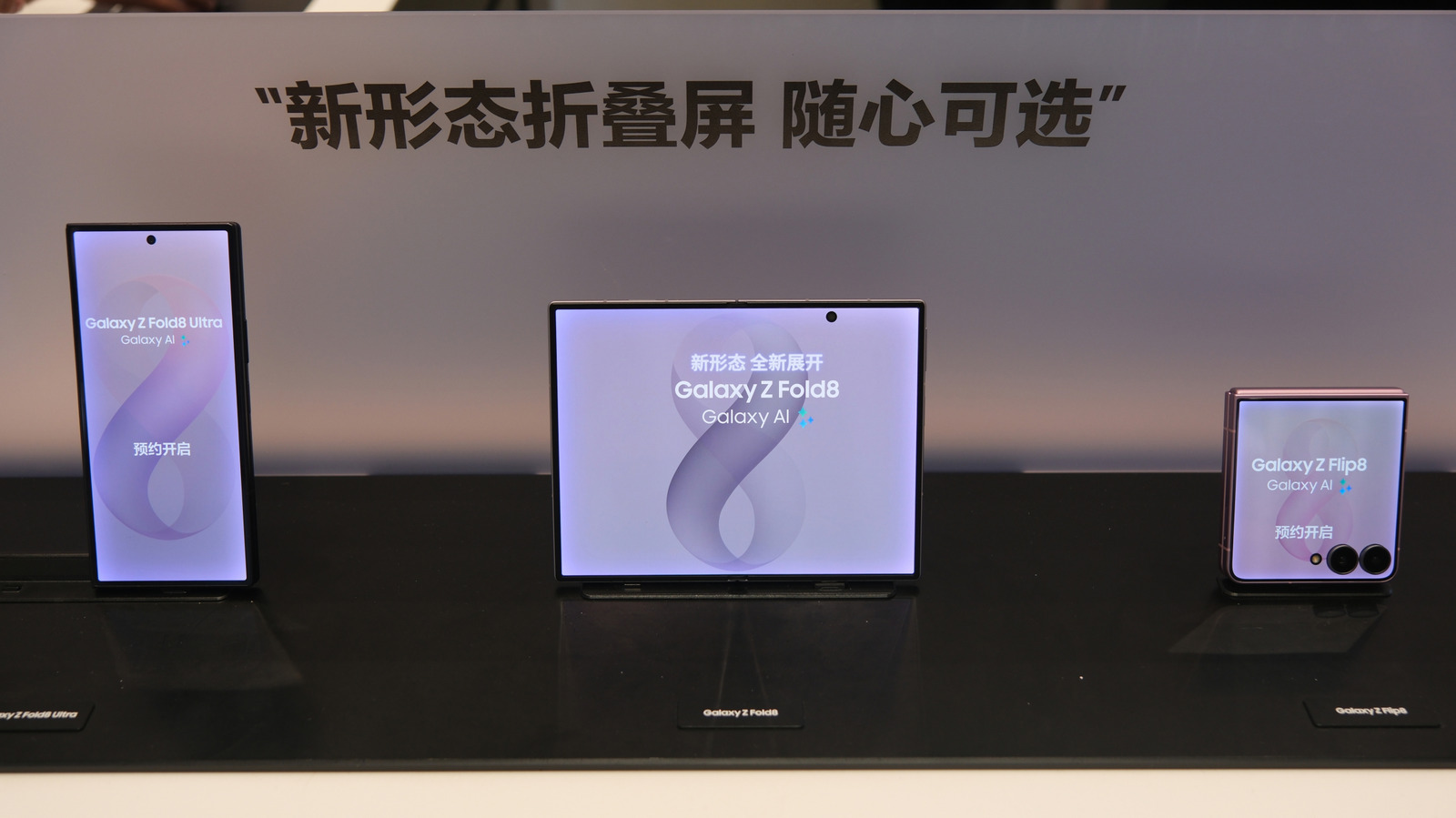
The smartphone market’s latest evolution pits two distinct foldable designs against each other: the book‑style models that open like a traditional laptop and the clamshell variants that snap shut like a flip phone. Both promise larger screens without sacrificing pocketability, but each comes with trade‑offs that affect everyday practicality.
Book‑style foldables typically boast a expansive inner display that rivals conventional tablets, delivering immersive media consumption and multitasking capabilities. However, the hinge mechanism must endure repeated full‑width openings, raising concerns about long‑term durability and susceptibility to dust ingress. Manufacturers mitigate these risks with reinforced hinges and water‑resistant seals, yet the larger footprint can make the device feel bulky when unfolded.
Clamshell models, by contrast, prioritize compactness. Their outer screen—often a modestly sized cover display—handles notifications and quick interactions, while the inner screen unfolds to a more modest size than its book‑style counterparts. The protective outer shell shields the main display when closed, reducing the chance of scratches. The trade‑off is a narrower screen real estate for tasks like video editing or gaming, and the folding action can feel less fluid due to the smaller hinge travel.
Consumer preferences hinge on how they balance these factors. Users who prioritize media binge‑watching, mobile productivity suites, or a tablet‑like experience may lean toward the book design despite its heft. Those who value quick one‑handed access, pocket‑friendly dimensions, and a lower risk of screen damage often favor the clamshell. Pricing also diverges, with book‑style devices generally commanding higher premiums because of larger panels and more complex engineering.
Industry analysts note that both formats are still maturing, and future iterations are likely to address current shortcomings. Improvements in hinge technology, lighter materials, and software optimizations could narrow the performance gap, giving consumers more choices without sacrificing reliability. As manufacturers release newer models, shoppers should assess their typical usage patterns—whether they need a portable workstation or a sleek, pocket‑ready device—before deciding which foldable form factor aligns best with their daily routines.

Comments (0)
Be the first to comment.
Join the discussion