Choosing Between a 256 GB SSD and a 1 TB HDD Depends on Your Computing Priorities
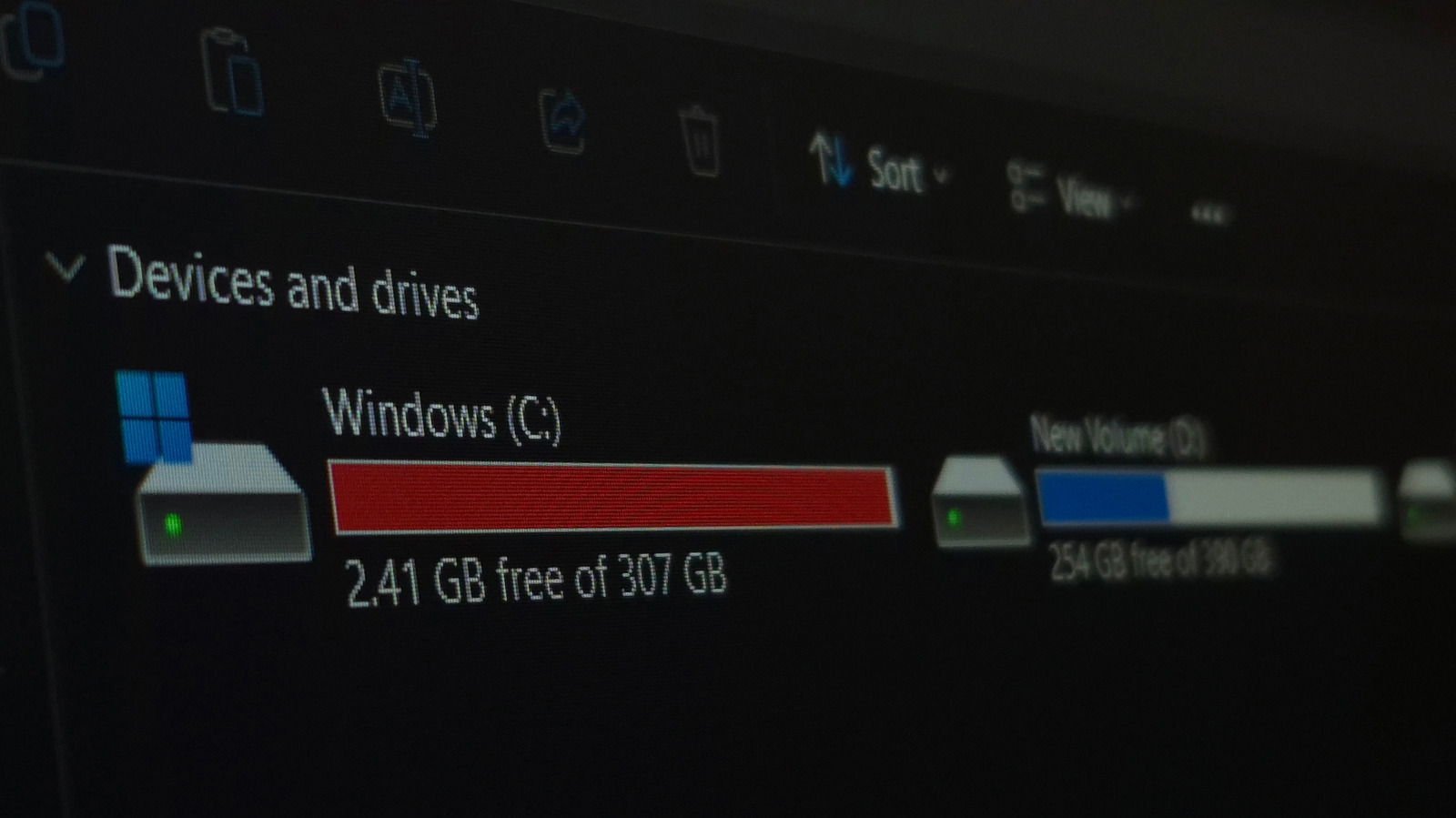
When deciding whether to equip a computer with a modest‑capacity solid‑state drive or a larger traditional hard disk, the answer hinges less on raw numbers and more on how the machine will be used.
Solid‑state drives (SSDs) deliver dramatically faster data access because they contain no moving parts. Boot times, application launches, and file transfers can be several times quicker than on a spinning hard‑disk drive (HDD). For users who value responsiveness—such as programmers, graphic designers, or anyone who works with large project files—those speed gains often outweigh the loss of storage space.
Hard‑disk drives, on the other hand, still dominate the market for sheer capacity at a lower price per gigabyte. A 1 TB HDD can store a vast library of videos, music, and documents for a fraction of the cost of an SSD with a quarter of the space. This makes them attractive for media servers, archival backups, or budget‑conscious builds where storage volume is the primary concern.
Typical usage patterns illustrate the trade‑off. Installing the operating system and core applications on a 256 GB SSD ensures a snappy everyday experience, while relegating bulk media files to an external or secondary 1 TB HDD preserves space without a noticeable performance penalty. Gamers may also favor an SSD for the reduced load times of modern titles, yet still rely on an HDD for large game libraries that exceed the SSD’s capacity.
Hybrid configurations have become common, pairing a smaller SSD with a larger HDD in the same system. Modern motherboards and operating systems support caching technologies that automatically move frequently accessed data to the SSD, delivering speed where it matters while keeping less‑used files on the slower, high‑capacity drive.
Price trends continue to narrow the gap. As NAND flash becomes cheaper, 500 GB and 1 TB SSDs are approaching the cost of a 1 TB HDD, though the latter still holds an advantage in pure storage‑per‑dollar terms. Future developments such as NVMe drives promise even higher throughput, further emphasizing the performance versus capacity dilemma.
Ultimately, the decision should be guided by the user’s priorities: if quick boot‑up and application responsiveness are paramount, a 256 GB SSD is the logical choice; if extensive media collections or backup needs dominate, a 1 TB HDD remains the pragmatic solution. Many buyers find the best of both worlds by combining the two, ensuring speed for daily tasks and ample space for long‑term storage.


Comments (0)
Be the first to comment.
Join the discussion