Childhood Chickenpox Vaccine Linked to Lower Shingles Risk, Study Finds
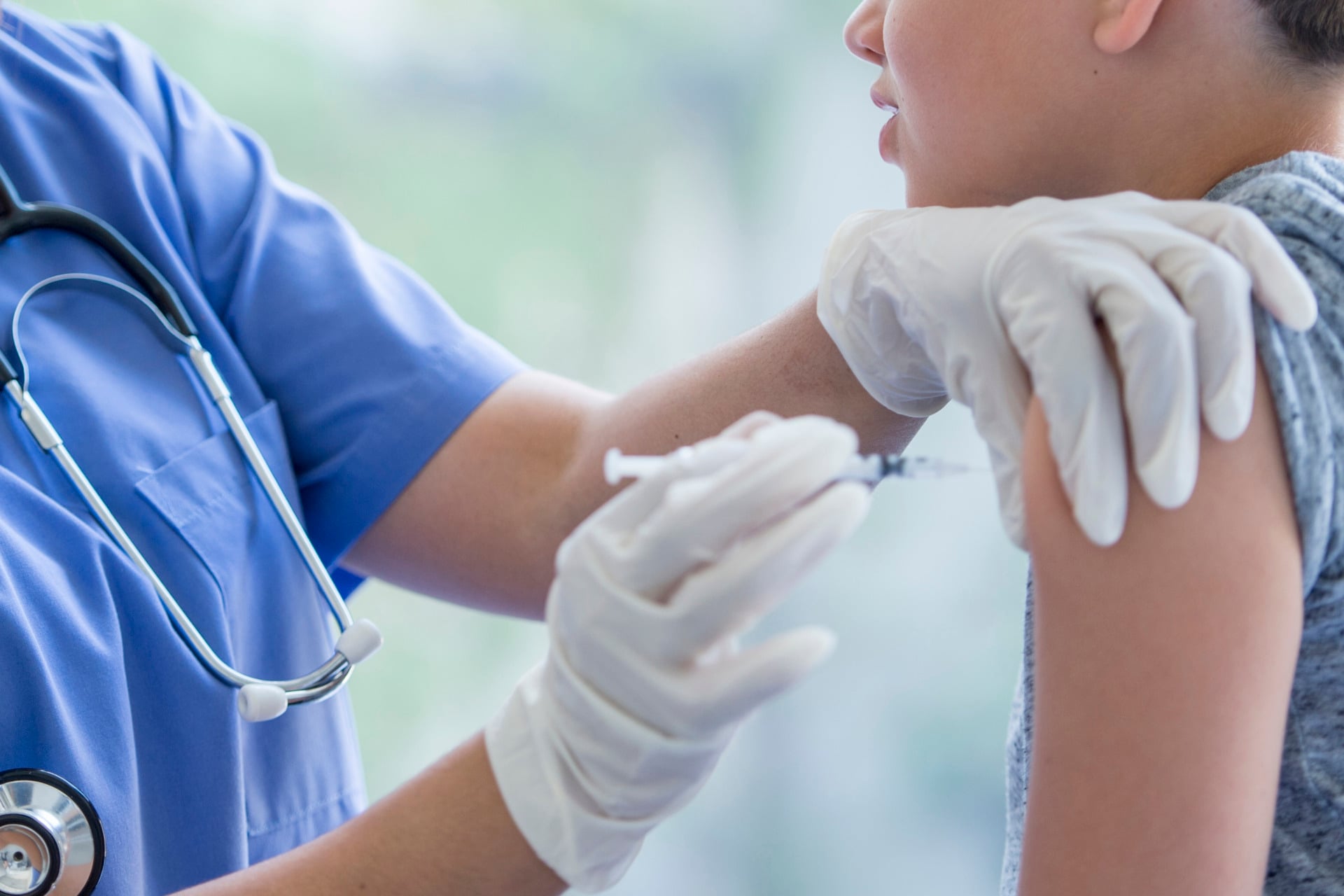
A new analysis of more than 85 million U.S. medical records confirms that receiving the varicella (chickenpox) vaccine in childhood is associated with a markedly lower chance of developing shingles later in life, researchers reported.
The investigation, one of the largest of its kind, pooled data from a nationwide network of health providers and insurers. By tracking individuals from the time they received the vaccine through subsequent decades, the team was able to compare shingles incidence between those who were vaccinated as children and those who were not.
Shingles, medically known as herpes zoster, arises when the varicella‑zoster virus, which causes chickenpox, reactivates after lying dormant in nerve tissue. The vaccine works by stimulating immunity that limits the virus’s ability to establish this lifelong reservoir, thereby reducing the odds of later reactivation.
The varicella vaccine was introduced in the United States in the mid‑1990s and quickly became part of the routine childhood immunization schedule. While the vaccine’s effectiveness against chickenpox has been well documented, its long‑term impact on shingles rates has been a subject of debate, with some early models suggesting a possible increase in shingles among older adults due to reduced natural boosting from circulating wild‑type virus.
The new findings suggest that the concern may be outweighed by the protective benefit of early vaccination. Public‑health officials note that fewer shingles cases could translate into reduced health‑care costs, fewer hospitalizations, and less chronic pain for older Americans, a population that traditionally bears the brunt of the disease.
Experts say the data reinforce the value of maintaining high childhood vaccination coverage and may prompt discussions about whether additional shingles‑specific vaccines for older adults should be adjusted in light of the reduced baseline risk.
Researchers plan to continue monitoring the cohort as it ages, looking for any shifts in shingles patterns and evaluating whether booster doses of the varicella vaccine could further enhance protection. The study adds a compelling piece to the broader conversation about how early‑life immunizations shape health outcomes decades later.



Comments (0)
Be the first to comment.
Join the discussion