Child Advocacy Group Flags Teen‑Focused ChatGPT as Major Safety Concern
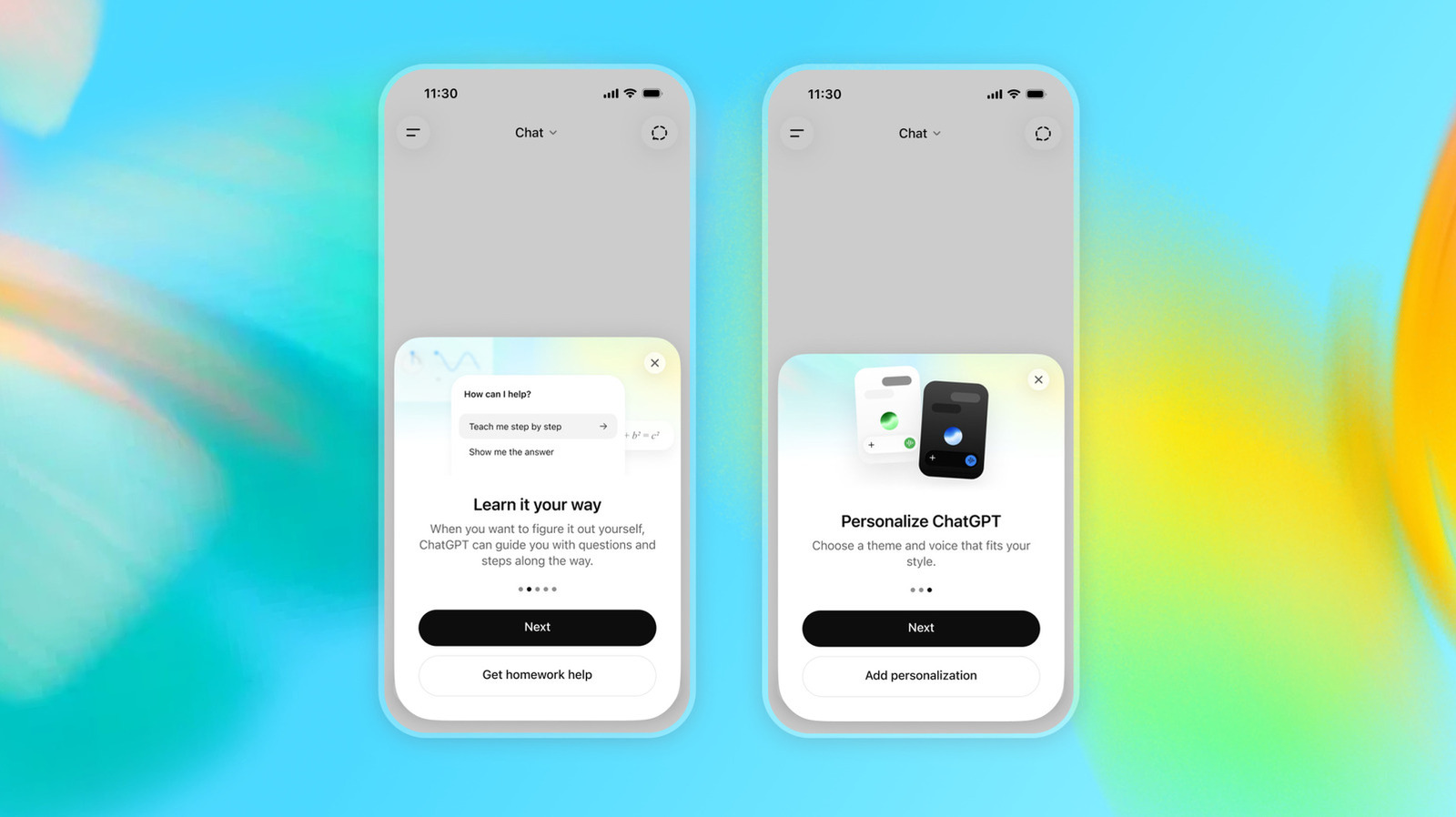
Common Sense Media, a nonprofit that evaluates media for children and families, has released a damning assessment of OpenAI’s new ChatGPT for Teens, labeling the service an "unacceptable risk" for its target audience. The organization says the chatbot fell short in five critical safety categories after a thorough series of tests.
The evaluation, which involved a range of scenarios designed to probe the model’s handling of age‑appropriate content, privacy safeguards, advertising exposure, data collection practices and emotional support functions, concluded that the teen‑oriented version does not meet the standards expected for younger users. According to the report, each of the five areas showed significant gaps that could expose adolescents to inappropriate material or unwanted data handling.
OpenAI introduced the teen‑focused variant earlier this year as part of a broader push to tailor large‑language‑model tools for specific demographics. While the company highlighted features such as filtered responses and parental controls, the Common Sense Media findings suggest those measures are insufficient. The nonprofit’s analysts argue that without robust, enforceable safeguards, the platform could inadvertently share personal information or fail to block harmful content.
Experts in digital safety have long warned that AI chatbots, even when marketed for younger users, can generate unexpected or misleading outputs. The risk is compounded by the fact that teenagers often lack the critical thinking skills to discern subtle inaccuracies or manipulative language. In this context, the Common Sense Media report underscores the broader challenge of aligning rapidly evolving AI technology with existing child‑protection frameworks.
OpenAI has not yet issued a detailed response to the specific criticisms, though a spokesperson previously emphasized the company's commitment to continuous improvement and user safety. The firm’s standard practice involves rolling out updates based on feedback from researchers and regulators, suggesting that the findings could prompt revisions to the teen product’s moderation algorithms and privacy policies.
Policy makers and school officials are watching the development closely. Several state education departments have begun drafting guidelines for AI use in classrooms, and the latest report may accelerate calls for clearer regulatory standards. If the concerns raised by Common Sense Media are validated by further independent reviews, legislators could consider tighter oversight of AI applications marketed to minors.
For parents and guardians, the verdict serves as a cautionary note. While AI assistants can offer educational support and conversational practice, experts advise families to maintain active oversight, employ built‑in parental controls, and stay informed about the evolving capabilities of such tools. As the debate over digital safety continues, the pressure mounts on developers to prove that their products can reliably protect the youngest and most impressionable users.



Comments (0)
Be the first to comment.
Join the discussion