Boox Unveils Compact Picco E‑Reader at IFA 2026, Positioning It as a Lightweight Contender
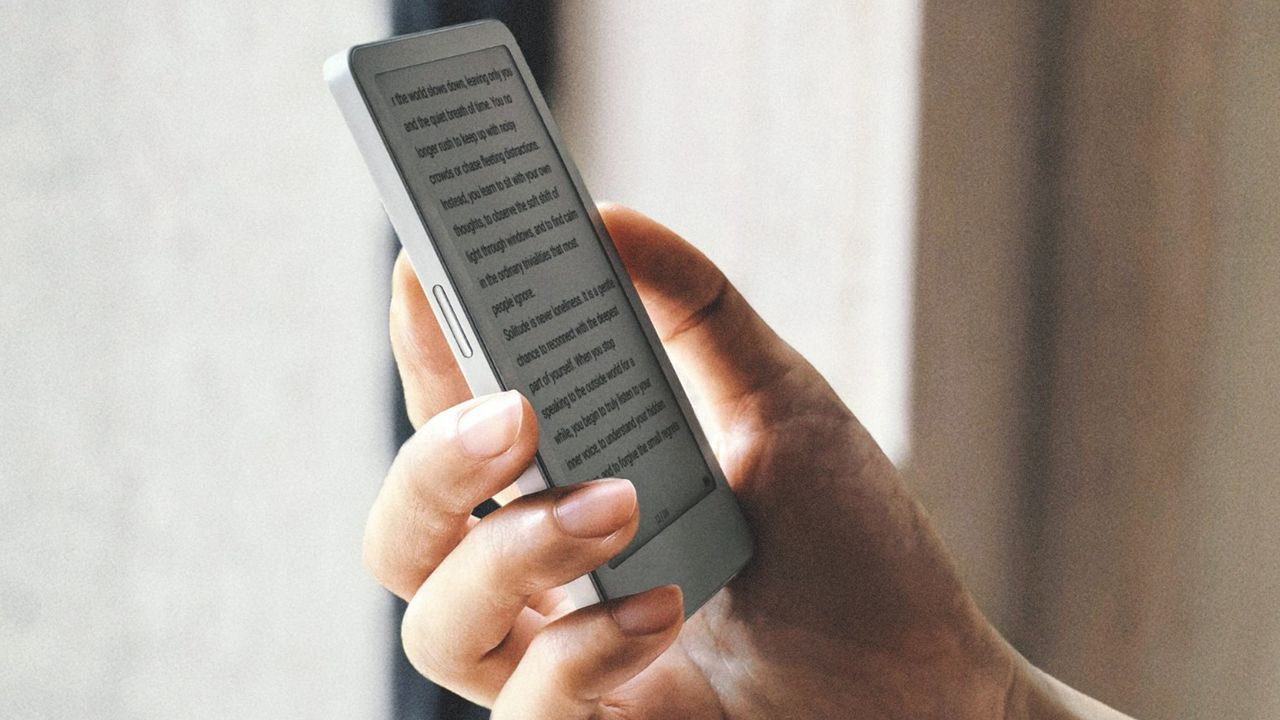
At this year’s IFA in Berlin, Chinese manufacturer Boox introduced the Picco, a diminutive e‑reader that aims to challenge the Xteink X4 Pro in the premium compact segment. While the device shares the X4 Pro’s ambition of delivering high‑resolution ink displays in a pocket‑sized form factor, it diverges on several key technical choices.
The Picco forgoes Android, the operating system that powers most of Boox’ larger lineup, opting instead for a streamlined, proprietary firmware. This decision eliminates the ability to install Android apps directly, but it also reduces background processes and could translate into longer battery life. The omission of a magnetic attachment system—commonly used for protective covers on other e‑readers—means users will need to rely on third‑party cases for protection.
One of the few hardware upgrades that the Picco does retain is a USB‑C port, aligning it with current connectivity standards and simplifying charging and file transfers. The port also supports fast charging, a feature that is increasingly expected even in low‑cost devices. By contrast, some competing models still cling to older micro‑USB connectors.
Boox has built a reputation as one of the most prominent alternatives to Amazon Kindle and Kobo, largely because its Android‑based devices avoid the restrictive ecosystems of those market leaders. The Picco’s departure from Android could be seen as a step back in that regard, potentially limiting the range of third‑party reading apps and services available to users. However, the company argues that its custom OS offers a more focused reading experience without the distractions of a full mobile platform.
Industry analysts note that the e‑reader market has seen a resurgence in demand for smaller, high‑quality devices as readers seek portability without sacrificing screen clarity. The Xteink X4 Pro has set a benchmark in this niche, featuring a 7‑inch E Ink Carta display and robust feature set. By introducing a smaller competitor, Boox may be targeting readers who prioritize ultra‑lightweight design for commuting or travel.
Looking ahead, Boox has not disclosed pricing or a launch timeline for the Picco. Observers will be watching to see whether the device can carve out a viable segment despite its limited feature set, and whether the lack of Android and magnetic accessories will deter potential buyers. The outcome could influence how other manufacturers balance hardware minimalism against the expectations of a market accustomed to feature‑rich, ecosystem‑friendly e‑readers.


Comments (0)
Be the first to comment.
Join the discussion