Biomemory launches DNA Shield to safeguard cold data with synthetic DNA storage
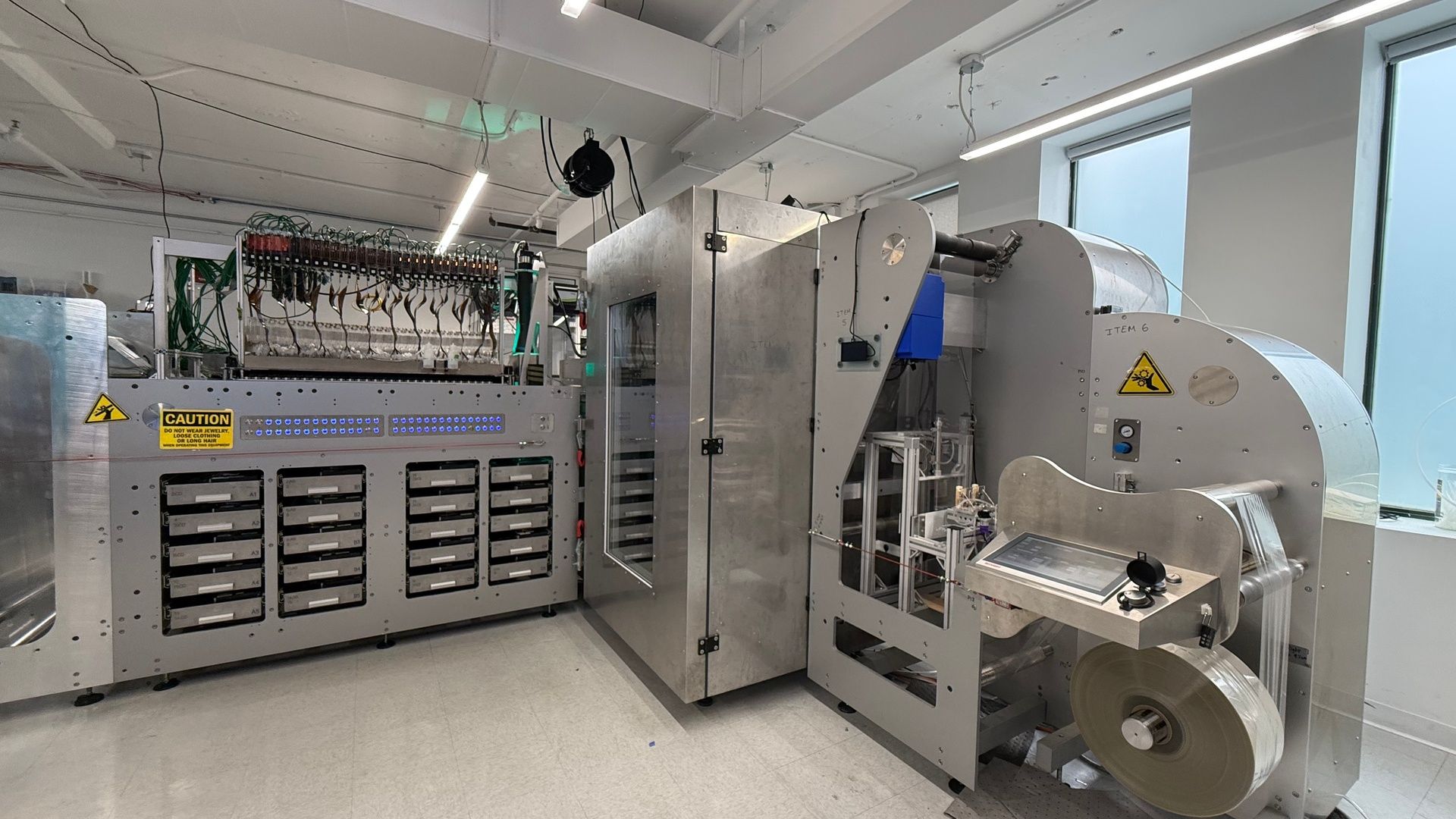
Biomemory announced the rollout of DNA Shield, a new platform that encodes critical digital assets into synthetic strands of DNA, offering an offline, air‑gapped repository that sits outside the reach of conventional cyber threats.
Storing information in DNA is not a novel scientific curiosity; researchers have demonstrated that the molecule can hold petabytes of data in a space no larger than a sugar cube. DNA Shield adapts that principle for commercial use, translating files into nucleotide sequences that are then synthesized, sealed in a stable substrate, and stored in a physically isolated vault.
The service targets what industry insiders call “cold data” – archives, compliance records, and legacy files that are accessed infrequently but must remain intact for years or decades. Because these datasets are rarely touched, they are often migrated to inexpensive cloud tiers that, while cost‑effective, remain exposed to ransomware, insider threats, and supply‑chain compromises.
Biomemory argues that the inherent characteristics of DNA – its durability, density, and resistance to electromagnetic interference – make it uniquely suited to protect such data. The company says a single gram of synthetic DNA can preserve the equivalent of several terabytes, and the physical nature of the storage means attackers would need to obtain the material and possess specialized lab equipment to decode it.
While the launch positions DNA Shield as a resilient alternative, Biomemory acknowledges that long‑term reliability presents its own hurdles. Factors such as enzymatic degradation, synthesis errors, and the need for specialized read‑write processes can affect data integrity. To mitigate these risks, the firm is developing error‑correction algorithms and redundancy schemes, and it hinted at a forthcoming “DNA Refresh” service that will periodically re‑synthesize and validate stored sequences.
Analysts see the move as part of a broader trend toward diversified data‑protection strategies, especially as high‑profile ransomware incidents continue to rise. If the technology scales and the cost per gigabyte drops to competitive levels, DNA Shield could become a niche but valuable option for governments, financial institutions, and any organization bound by strict archival regulations. For now, Biomemory’s offering adds a physical layer of security that complements existing digital defenses, and its evolution will likely be watched closely by both the cybersecurity and biotech communities.



Comments (0)
Be the first to comment.
Join the discussion