Balancing Benefits and Drawbacks: What to Know About Active Noise‑Cancelling Headphones
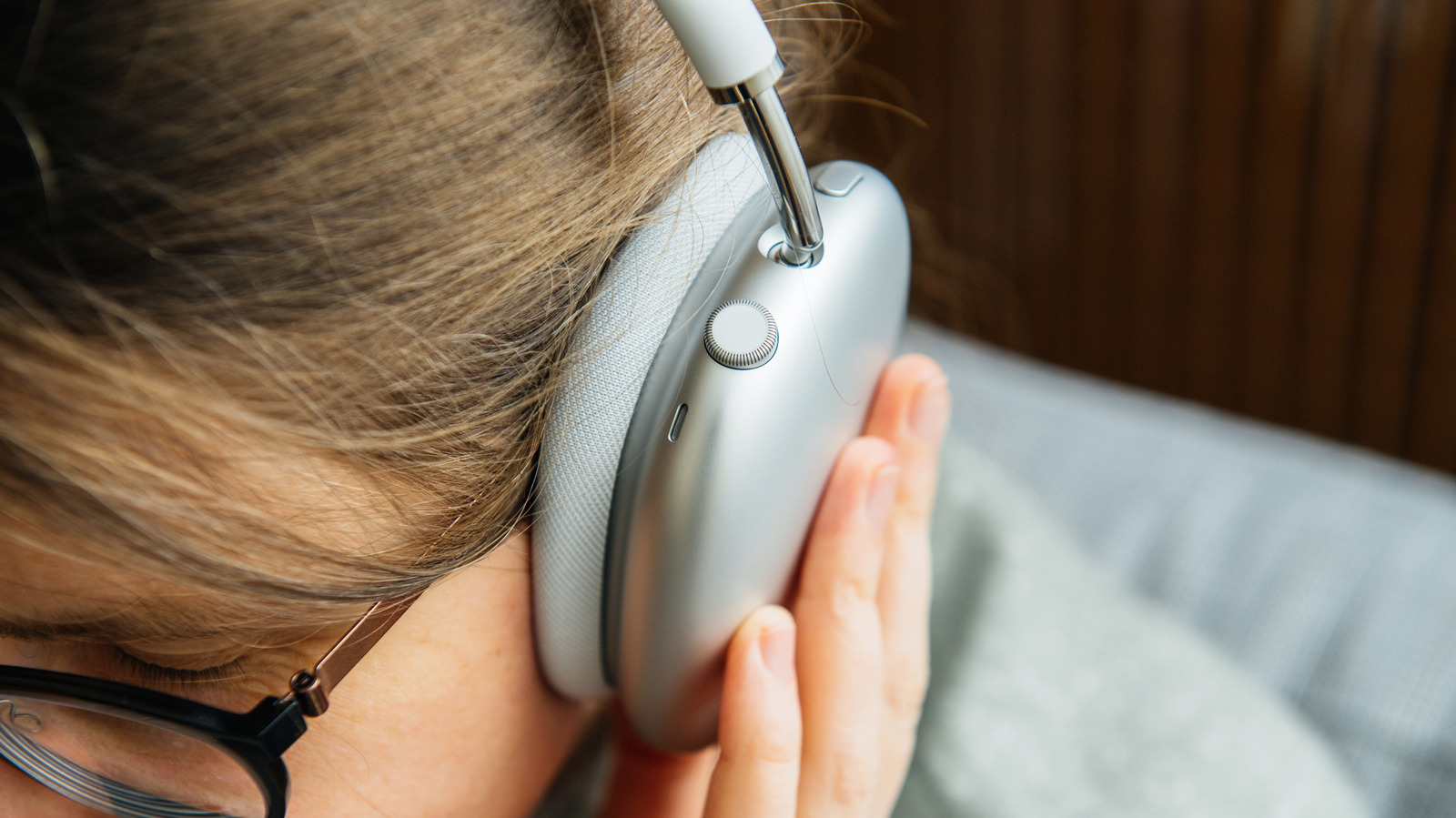
Active noise‑cancelling (ANC) headphones have moved from niche accessories to mainstream staples, promising quieter listening experiences in noisy environments such as offices, airplanes, and city streets. By generating sound waves that counteract ambient noise, these devices can make music, podcasts, and calls clearer without turning the volume up, a feature that many consumers now consider essential.
The core technology behind ANC involves tiny microphones that capture external sounds and a processor that creates inverse sound waves to neutralize them. When the cancellation works effectively, users report a noticeable reduction in low‑frequency hums like engine roar or air‑conditioner buzz, allowing for immersive audio without the need for ear‑bud isolation alone.
Despite these advantages, ANC headphones come with trade‑offs. The continuous processing required to generate anti‑noise consumes battery power, meaning users must charge them regularly, and some models may offer only a few hours of full‑speed ANC before needing a recharge. Additionally, the circuitry and extra drivers can add weight, making long‑term wear less comfortable for some listeners.
Audio fidelity can also be affected. While many high‑end models preserve sound quality, cheaper options sometimes exhibit a slight loss in detail or a change in the frequency response when ANC is engaged. This is because the algorithm may inadvertently suppress certain aspects of the intended audio alongside the unwanted noise.
Cost remains a significant factor, as ANC functionality typically raises the price compared with comparable non‑cancelling headphones. Consumers must weigh whether the convenience of reduced ambient sound justifies the higher expense, especially when alternatives like passive isolation or earplugs can achieve similar results in specific scenarios.
Looking ahead, manufacturers are refining algorithms to improve cancellation efficiency while minimizing battery drain and preserving audio integrity. As the technology matures, we can expect lighter designs, longer battery life, and more seamless integration with smart devices, potentially expanding the appeal of ANC headphones beyond audiophiles to a broader audience.



Comments (0)
Be the first to comment.
Join the discussion