Office Workers Feel ‘Remote’ Even When Onsite, New Study Shows
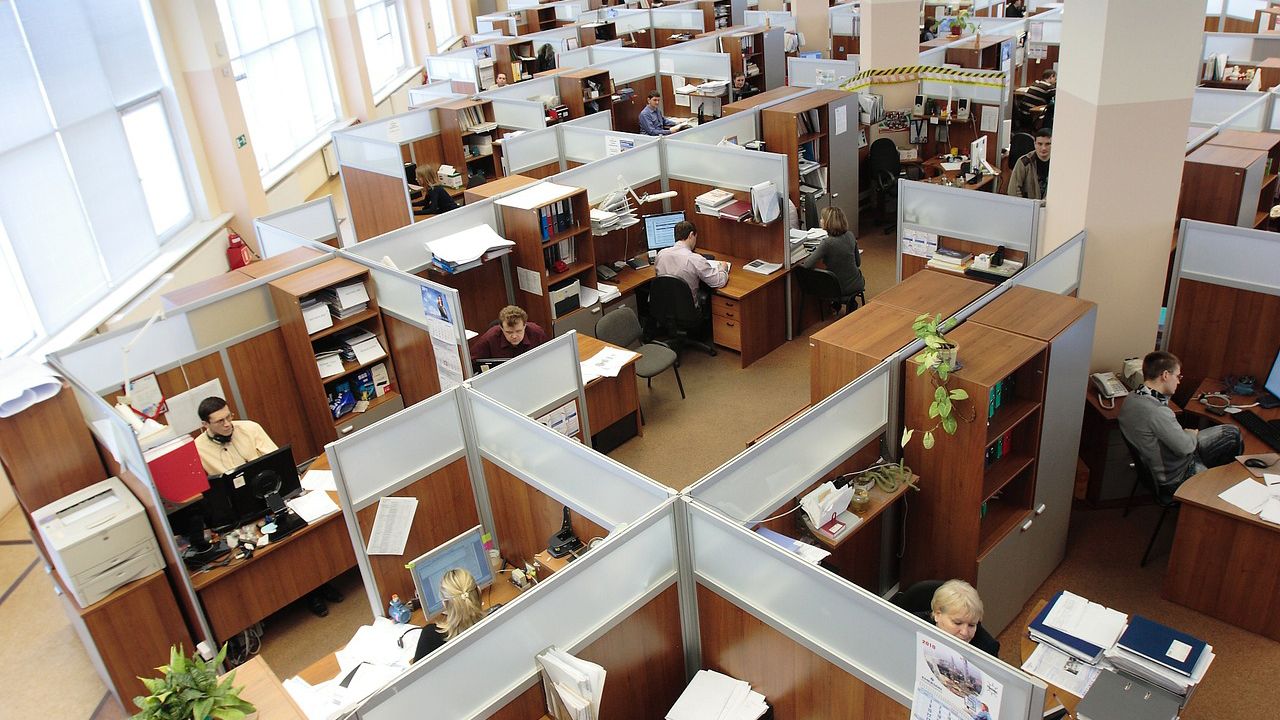
A recent survey reveals that a growing share of employees who are physically present in the office still consider their work to be effectively remote, undermining the promises many companies made to revive in‑person collaboration after the pandemic.
The study, cited by TechRadar, found that while employers typically require staff to be on‑site for an average of 3.74 days per week, the actual attendance drops to just 2.59 days. The shortfall is driven largely by the prevalence of virtual meetings that occupy much of the time workers spend at their desks, blurring the line between remote and office work.
Researchers suggest that the lack of a clearly articulated purpose for in‑office days contributes to the problem. When employees cannot distinguish between tasks that truly benefit from face‑to‑face interaction and those that can be handled virtually, they default to the same digital habits they cultivated during lockdowns.
Industry analysts note that the shift has broader implications for productivity and corporate culture. In‑person time was originally championed as a way to rekindle spontaneous conversations, mentorship, and team cohesion—elements that are harder to replicate on video calls. Without a focused agenda for those days, firms risk squandering the very resource they are trying to protect.
Companies are now exploring strategies to make office attendance more purposeful. Proposals include designating specific days for collaborative workshops, client presentations, or cross‑departmental brainstorming sessions, while reserving other days for deep‑work that can remain virtual.
Experts caution that any policy change must be communicated clearly and backed by measurable goals. Simply mandating a higher number of on‑site days without addressing the underlying workflow can exacerbate employee fatigue and reinforce the perception that the office adds little value.
As organizations continue to fine‑tune hybrid models, the study’s findings underscore the importance of aligning physical presence with tasks that genuinely benefit from it. Whether through structured meeting formats, re‑imagined office layouts, or revised performance metrics, the next wave of hybrid policies will likely focus on turning “remote‑feeling” desk jobs into truly collaborative, in‑person experiences.


Comments (0)
Be the first to comment.
Join the discussion