Chinese Bubble Tea Firm Faces $1.5 Million Penalty for Louis Vuitton Design Infringement
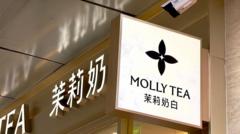
A court in China has mandated that bubble tea company Molly Tea pay luxury fashion house Louis Vuitton $1.5 million for infringing on the brand's renowned four-petal flower design. The ruling marks a notable development in intellectual property enforcement within the rapidly expanding Chinese consumer market.
The judicial decision specifically found Molly Tea guilty of utilizing a design that too closely resembled Louis Vuitton's distinctive motif. This infringement prompted the significant financial penalty, underscoring the legal consequences for businesses found to be replicating established trademarks and designs.
This outcome highlights a growing trend in China's legal landscape toward stricter protection of intellectual property rights, particularly for international brands. For years, luxury labels have navigated challenges related to counterfeiting and design replication within the Chinese market, making this ruling a significant win for brand protection efforts.
Louis Vuitton, a global titan in luxury goods, relies heavily on its unique aesthetic and brand identity, which are intrinsically linked to its iconic patterns and symbols. These designs are not just decorative but are crucial to the brand's value, exclusivity, and market differentiation.
Molly Tea, a prominent player in China's booming bubble tea industry, operates in a vastly different sector but nonetheless faced legal action over its design choices. The case illustrates that intellectual property disputes can arise across diverse industries, from high fashion to popular beverages.
The verdict serves as a powerful reminder to businesses operating in China about the importance of respecting established intellectual property. As the market continues to mature and consumer spending power grows, the legal environment is evolving to provide more robust safeguards for creators and brand owners.
Such a substantial fine could encourage other domestic companies to exercise greater diligence in their design processes and brand development, steering clear of any potential overlap with protected intellectual property. It reinforces the notion that design theft carries tangible and costly repercussions.
The ruling is expected to resonate throughout the industry, signaling a clearer commitment from Chinese courts to uphold international intellectual property standards. This could contribute to fostering a more secure and innovative business environment for both local and global enterprises.


Comments (0)
Be the first to comment.
Join the discussion