Micromobility Injury Claims Exceed £110 Million, Driving Up Insurance Costs
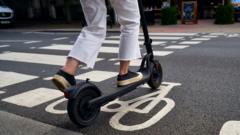
Payouts for injuries sustained in incidents involving micromobility vehicles, such as electric bikes and scooters, have now surpassed a staggering £110 million. This significant financial outlay is reportedly a primary factor contributing to a noticeable increase in insurance premiums across various sectors.
The current figure represents a dramatic escalation in claims within a relatively short period. It has been only seven years since the very first injury claim related to a micromobility vehicle was recorded, underscoring the rapid adoption and subsequent challenges associated with these new modes of transport.
The £110 million sum reflects the total compensation awarded for injuries arising from accidents involving electric bicycles and similar devices. As these vehicles become an increasingly common sight on roads and pathways, the associated risks and liabilities have grown commensurately, impacting financial assessments by insurance providers.
The direct consequence of these substantial payouts is being felt in the insurance market. Actuaries are factoring the heightened risk of micromobility-related incidents into their calculations, leading to adjustments in policy costs. This trend can affect a range of insurance products, from individual coverage to public liability policies for businesses.
The swift proliferation of e-bikes and other personal electric vehicles has introduced new complexities for urban planning and road safety. Issues such as the varied speeds of these devices, their integration with existing traffic infrastructure, and the sometimes-limited availability of dedicated lanes contribute to the potential for collisions and injuries.
Many jurisdictions are still in the process of developing comprehensive regulatory frameworks for micromobility. The absence of uniform guidelines concerning rider age, mandatory safety equipment like helmets, and operating speeds can create inconsistencies and potentially exacerbate accident rates.
As the popularity of micromobility continues its upward trajectory, industry observers anticipate intensified scrutiny on safety standards, urban design, and the evolving insurance landscape. There may be increasing calls for clearer legal frameworks, enhanced rider education programs, and strategic infrastructure investments to mitigate risks and stabilize insurance costs.
The escalating financial burden of micromobility-related injuries serves as a critical indicator of the broader societal and economic adjustments required to safely and sustainably integrate these innovative transportation solutions into daily life.


Comments (0)
Be the first to comment.
Join the discussion