August Sets Unprecedented Global Heat‑Humidity Record Amid Climate Change and El Niño Surge
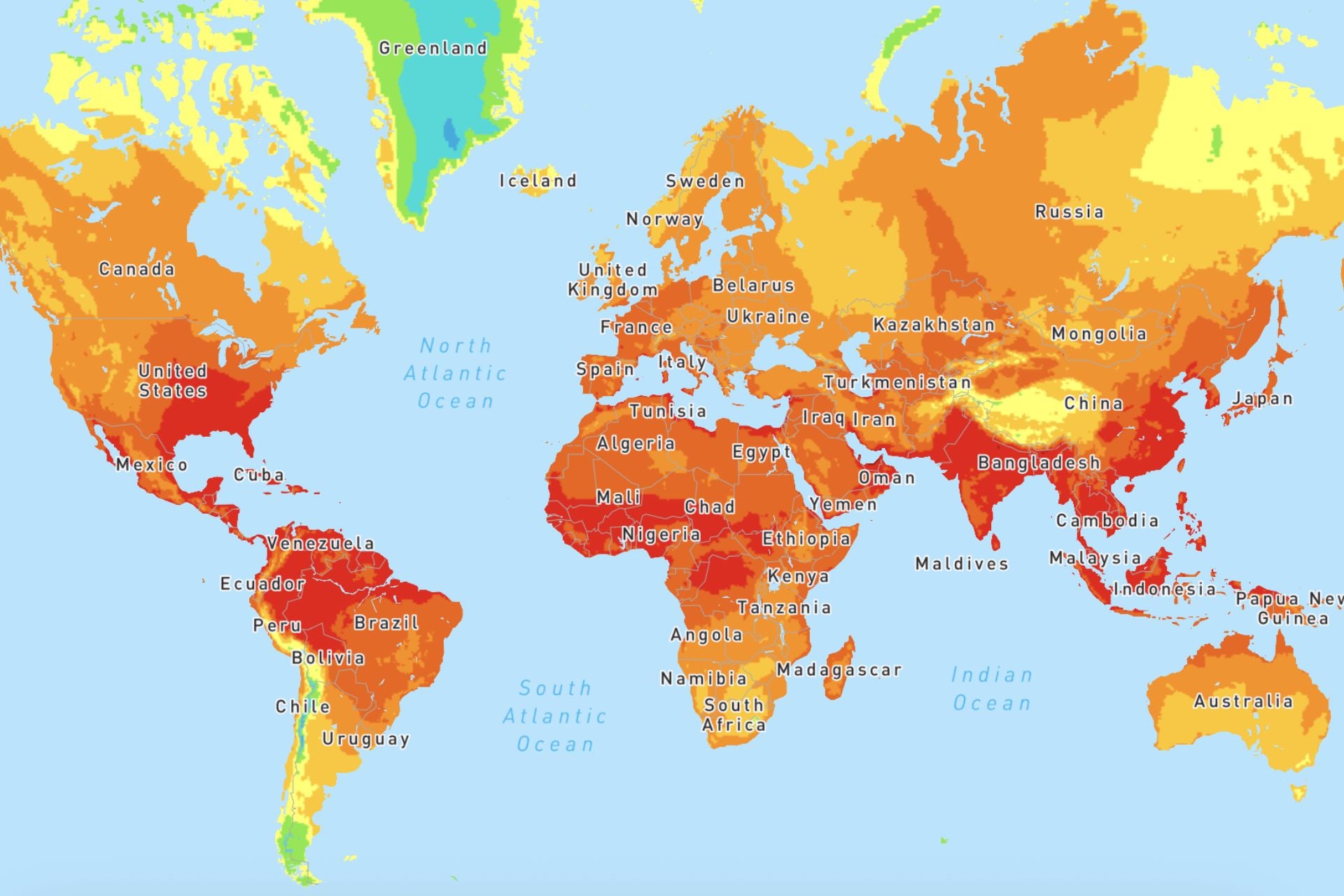
Scientists confirmed that August marked the first month in recorded history where the combined global average of temperature and humidity reached a new peak, underscoring the accelerating influence of climate change and a powerful El Niño episode.
The metric, which blends surface temperature with atmospheric moisture to reflect how hot and sticky conditions feel, climbed well beyond the long‑term baseline. Researchers say the unprecedented reading signals that the planet is not only warming but also retaining more water vapor, a combination that intensifies heat stress worldwide.
Decades of greenhouse‑gas emissions have already lifted average surface temperatures, creating a hotter backdrop for every season. As the air warms, its capacity to hold moisture expands, leading to higher humidity levels that magnify the human‑perceived heat. The latest August data illustrates how these two trends are converging to produce conditions that exceed previous extremes.
Adding to the baseline warming, the current El Niño—characterized by unusually warm Pacific Ocean waters—has amplified heat and moisture across continents. Historically, strong El Niño events have pushed regional temperatures upward and driven stormier, more humid atmospheres. This year’s episode appears to be among the most intense on record, acting as a catalyst that pushed the global heat‑humidity composite to its new high.
The ramifications are immediate and far‑reaching. Elevated heat‑index values increase the risk of heat‑related illnesses, strain power grids as air‑conditioning demand spikes, and stress crops that are already coping with shifting climate patterns. Urban centers, where heat is already trapped by concrete and limited airflow, are particularly vulnerable to the compounded effect.
Climate scientists are using the August milestone as a warning sign, urging policymakers to accelerate mitigation and adaptation measures. Monitoring networks are being expanded to capture more granular data on temperature‑humidity interactions, and public‑health agencies are updating heat‑alert protocols to reflect the heightened danger of combined heat and humidity.
Looking ahead, experts caution that if greenhouse‑gas emissions continue on their current trajectory, future months could easily surpass August’s record, especially if another strong El Niño emerges. The episode reinforces the urgency of reducing carbon outputs while bolstering resilience against the more oppressive climate conditions that are now becoming the new normal.


Comments (0)
Be the first to comment.
Join the discussion