Vanderbilt University Issues Urgent Shutdown Alert After Ransomware Claim of Massive Data Theft
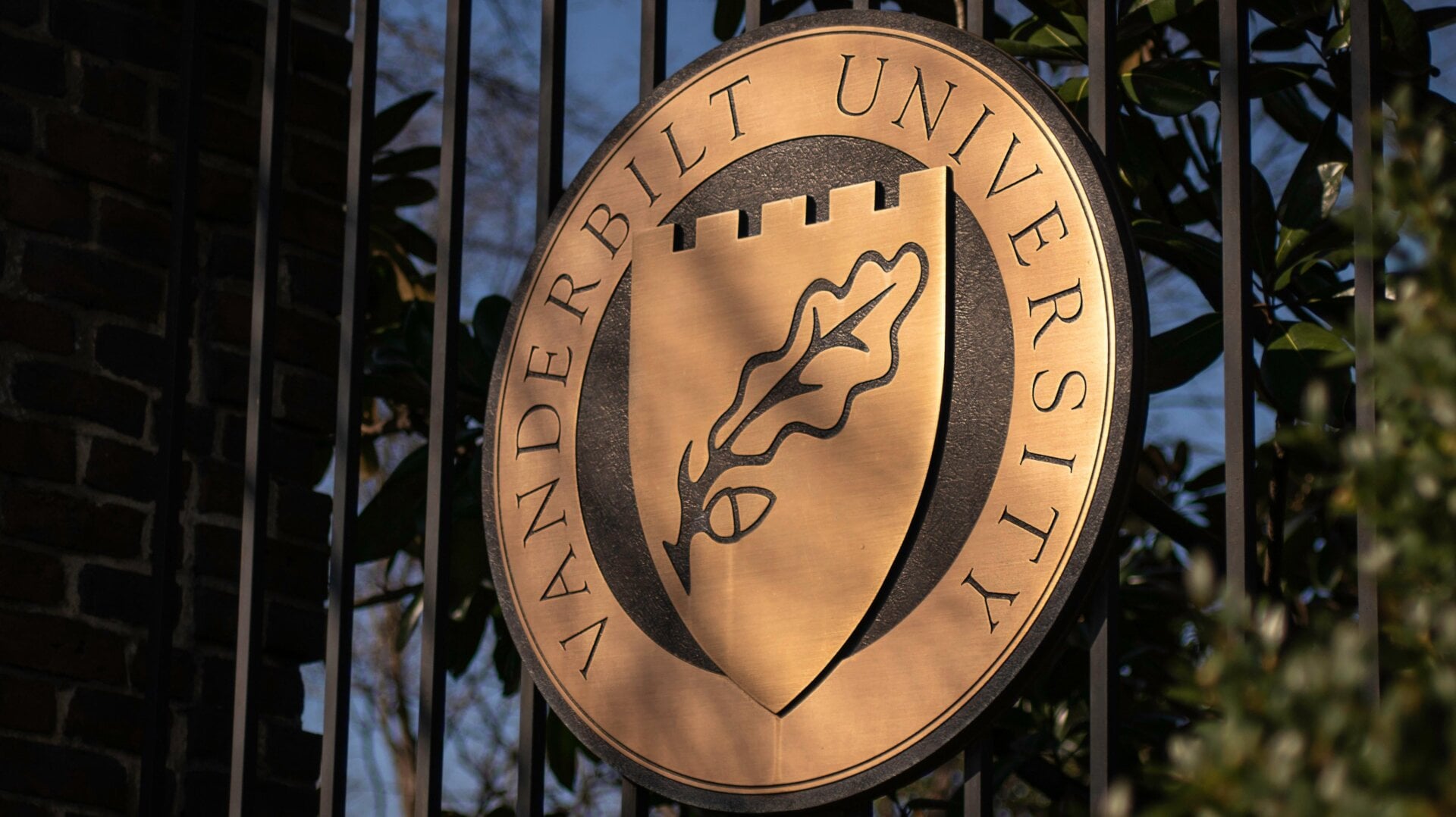
Vanderbilt University officials issued an urgent advisory on Monday urging anyone connected to the campus network to "SHUT DOWN YOUR DEVICE IMMEDIATELY" following reports of a ransomware intrusion that allegedly exposed personal information belonging to more than one million students, faculty and staff.
The warning, posted on the university's security portal and disseminated through email, came after an unknown threat group claimed responsibility for the breach. In a public statement, the attackers asserted they had extracted data covering academic records, financial details and other personally identifiable information for the entire Vanderbilt community.
University IT leaders confirmed that a malicious encryption payload had been detected on several internal systems, prompting the immediate containment measures. While the exact vector of the attack has not been disclosed, ransomware campaigns typically exploit phishing emails, vulnerable remote‑access tools or unpatched software, allowing perpetrators to encrypt files and demand payment for decryption keys.
Vanderbilt's response aligns with standard protocols for large‑scale cyber incidents: isolating affected networks, conducting forensic analysis, and notifying law‑enforcement agencies. The university also urged users to power down devices, disconnect from Wi‑Fi, and refrain from logging into university accounts until further notice, a step intended to prevent further propagation of the malware.
Cybersecurity experts note that the scale of the claimed data exfiltration—over one million records—is unusually high for a single academic institution, suggesting the attackers may have accessed a central repository of student and employee information. If the claim proves accurate, the breach could have far‑reaching consequences, including identity theft, phishing scams and reputational damage for the university.
Federal authorities, including the FBI’s Internet Crime Complaint Center, have been notified, and the Department of Education’s cybersecurity office is likely to become involved given the potential exposure of student data. Vanderbilt has pledged to provide credit‑monitoring services to affected individuals, though it has not confirmed the exact nature of the compromised data.
As the investigation unfolds, the university plans to release regular updates and guidance for the campus community. In the meantime, security professionals advise all users to change passwords, enable multi‑factor authentication where possible, and remain vigilant for suspicious communications that could be part of follow‑up phishing attempts.
The incident underscores the growing threat landscape faced by higher‑education institutions, which often store large volumes of sensitive data in interconnected systems. While the full impact remains to be determined, Vanderbilt's swift shutdown directive reflects a heightened awareness of the need for rapid containment in the face of sophisticated ransomware operations.



Comments (0)
Be the first to comment.
Join the discussion