AtlasBase Unveils High‑Capacity DNA Capsules, Targeting Petabyte‑Scale Archival Storage
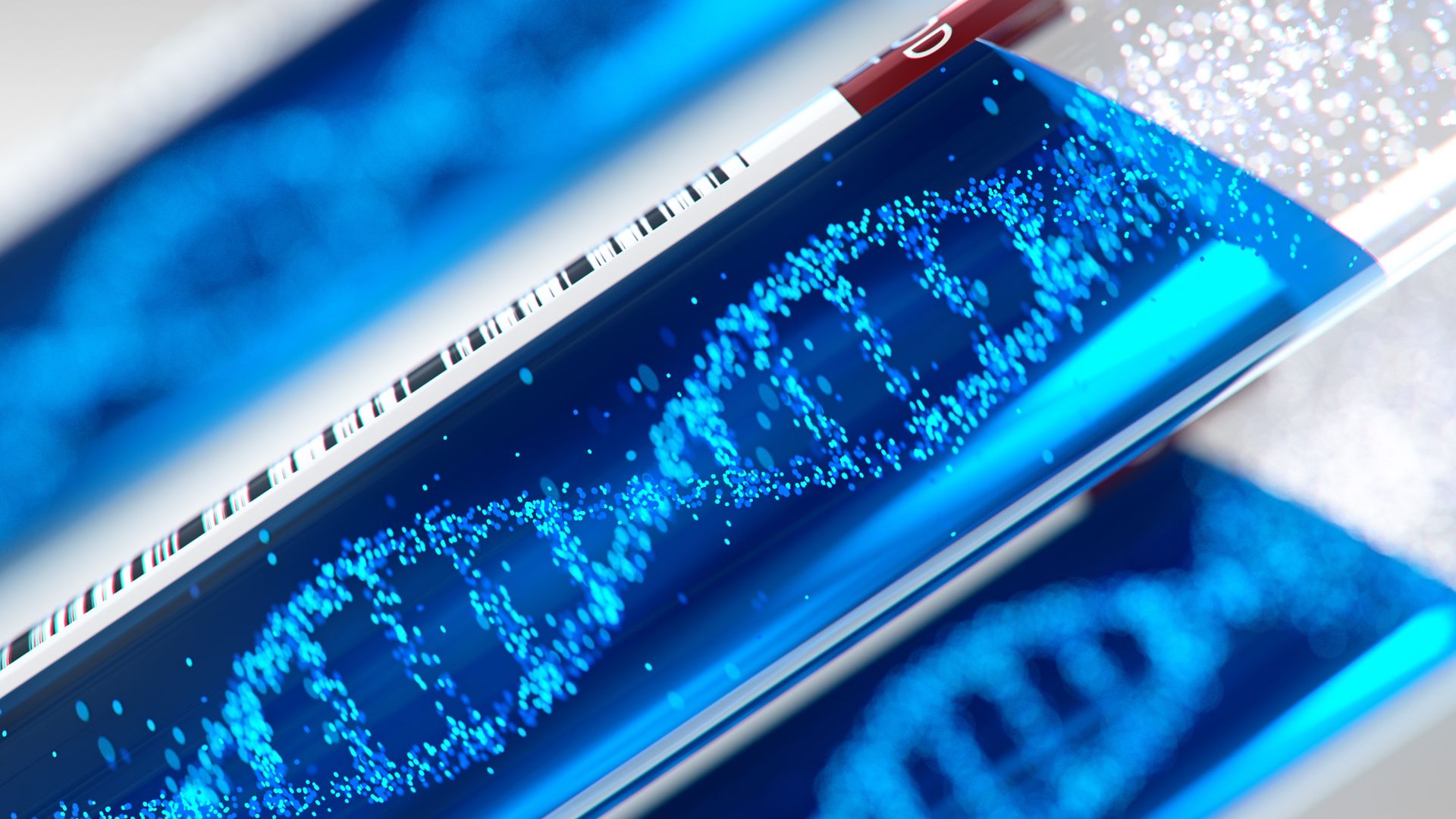
AtlasBase announced a prototype DNA‑based storage cartridge that could eventually hold up to 50 petabytes of data in a single capsule, positioning the technology as a possible successor to magnetic tape for long‑term archives. Each cartridge is designed to contain 100 of these capsules, which would translate to a storage range from 100 terabytes at present to as much as five exabytes if the full roadmap is achieved.
The company highlighted DNA's inherent durability, noting that encoded genetic material can remain stable for more than a millennium without the need for power, cooling or other environmental controls. This longevity contrasts sharply with traditional tape media, which degrades over decades and requires climate‑controlled vaults.
While the capacity projections are ambitious, AtlasBase has not disclosed performance metrics such as read/write speed, nor have they provided pricing or a timeline for commercial availability. Industry analysts caution that without clarity on throughput and cost, the technology may remain a niche solution for ultra‑long‑term preservation rather than a mainstream replacement for existing archival workflows.
DNA storage has been explored by several research groups for years, leveraging the molecule's high data density and stability. The process typically involves synthesizing strands that represent binary data, storing them, and later sequencing to retrieve the information. However, the synthesis and sequencing steps have historically been expensive and time‑consuming, factors that have limited large‑scale adoption.
AtlasBase’s roadmap suggests that advances in enzymatic synthesis and high‑throughput sequencing could eventually drive down both cost and latency, making petabyte‑scale capsules viable for enterprises that need to safeguard massive data sets for centuries. The next milestones are expected to focus on scaling production, improving error‑correction methods, and integrating the capsules into existing data‑center infrastructure. Until those hurdles are addressed, the industry will watch closely to see whether DNA can move from laboratory curiosity to practical archival medium.

Comments (0)
Be the first to comment.
Join the discussion