Army tests autonomous cargo helicopter that self‑navigates around sudden no‑fly zones
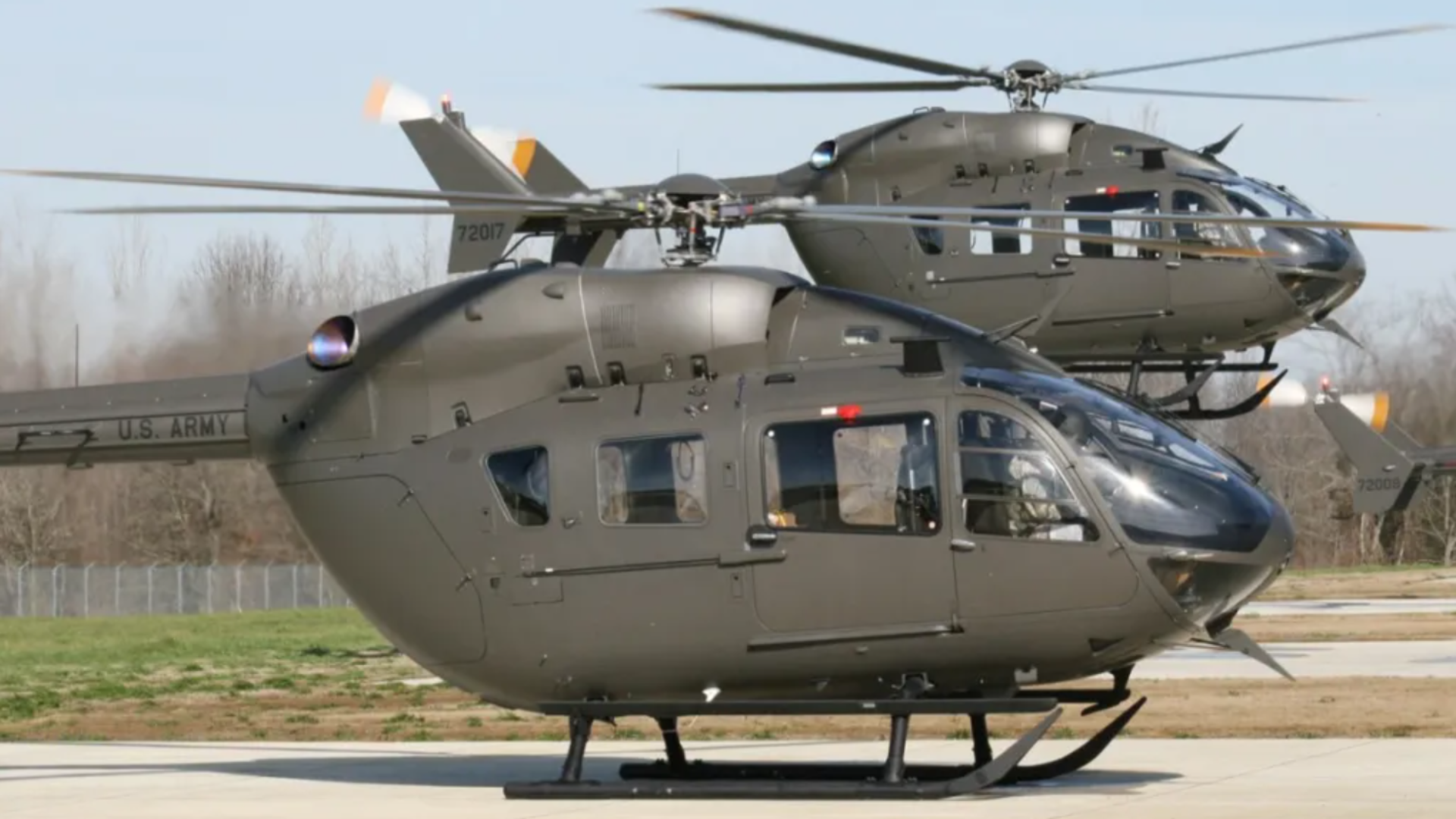
The U.S. Army has successfully demonstrated an unmanned cargo helicopter that can independently reroute its flight path when a restricted airspace appears, using a satellite link that can transmit commands from as far as 70 miles away.
The aircraft, Airbus’ MQ‑72C, is a purpose‑built cargo platform equipped with advanced flight‑control hardware that enables it to operate without a crew on board. In the recent trial, the helicopter was tasked with delivering supplies while a temporary no‑fly zone was injected into its route.
At the heart of the system is Shield AI’s Hivemind software, which processes sensor data and makes real‑time navigation decisions. When the no‑fly zone was introduced, the autonomous algorithm identified the obstruction, calculated an alternate corridor, and executed the change without human input.
Operators maintained a supervisory link via SpaceX’s Starlink satellite constellation, which carried remote commands and telemetry between the ground control station and the aircraft. The test showed that a command could be relayed from a location up to 70 miles distant, allowing a commander to intervene if the autonomous system required assistance.
The flight concluded without incident, confirming that the helicopter could adapt to dynamic air‑space constraints—a capability that is increasingly valuable in contested or disaster‑relief environments where airspace may be rapidly re‑designated.
Military planners see autonomous logistics as a way to reduce risk to personnel and increase the speed of resupply missions. By removing the need for a pilot in the cockpit, the Army can deploy cargo helicopters in areas where the threat of small‑arms fire or anti‑aircraft systems makes manned flight hazardous.
The Army’s next steps include extended endurance trials, integration with existing vertical‑lift programs, and evaluation of the technology’s scalability for larger payloads. If further testing confirms reliability, the MQ‑72C could become a staple of future unmanned supply chains, complementing ground convoys and other aerial platforms in a multi‑domain logistics strategy.



Comments (0)
Be the first to comment.
Join the discussion