Apple’s Macs Mix Thunderbolt and USB‑C Ports – What the Difference Means for Users
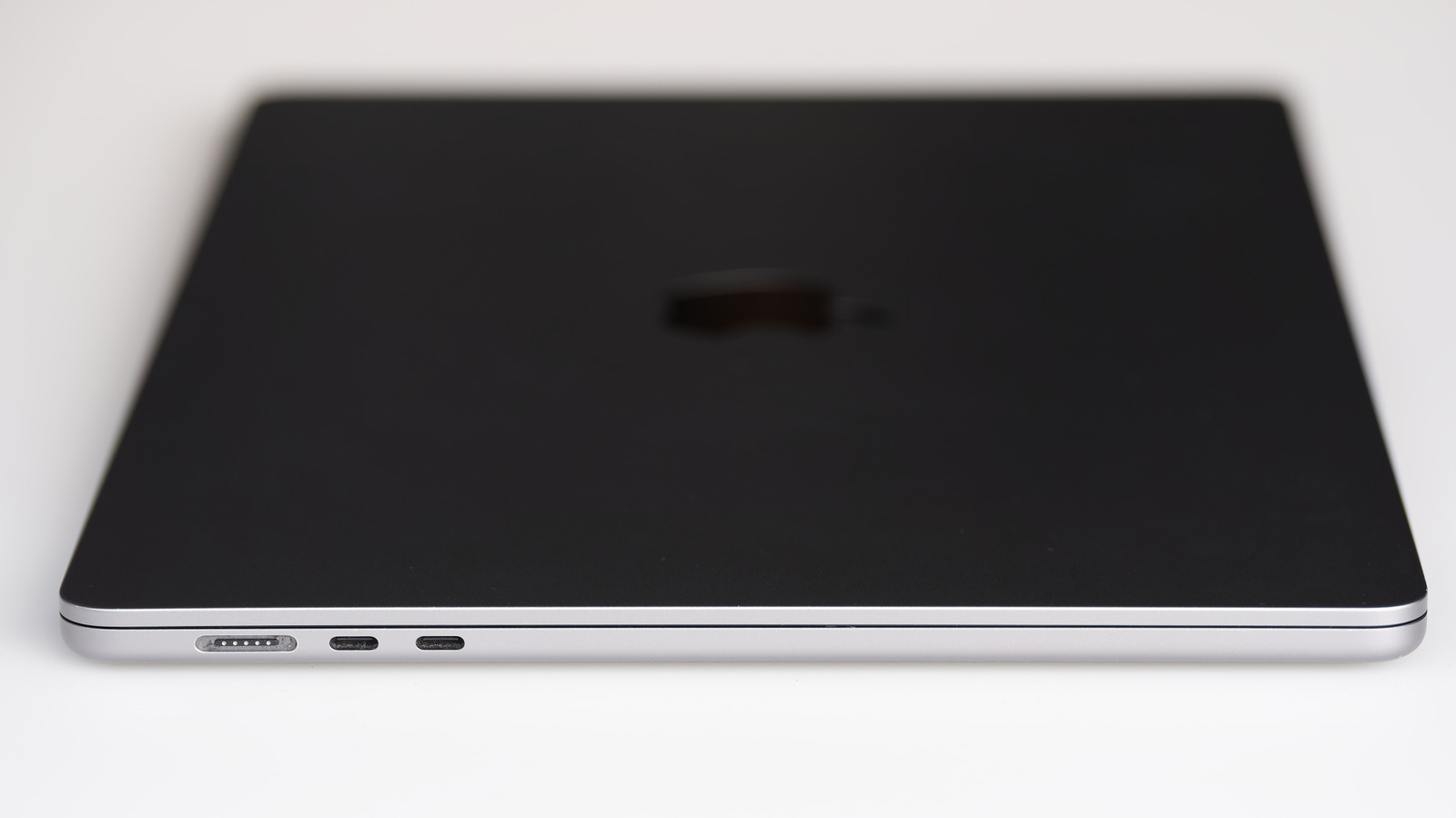
Apple’s recent Mac models continue to use the reversible USB‑C connector, but the ports are not interchangeable; some are Thunderbolt‑capable while others function only as standard USB‑C interfaces.
Thunderbolt, a technology originally developed by Intel in partnership with Apple, leverages the same physical connector as USB‑C but adds a PCIe lane that enables data transfer rates of up to 40 Gbps. This bandwidth supports high‑performance peripherals such as external graphics enclosures, 8K monitors, and fast‑raid storage arrays, and it also allows multiple devices to be linked together in a daisy‑chain configuration.
In contrast, a conventional USB‑C port that adheres to the USB 3.2 Gen 2 specification delivers a maximum of 10 Gbps. It provides robust power delivery—up to 100 W for charging laptops—and supports common peripherals like phones, keyboards, and external drives, but it lacks the direct PCIe access that powers Thunderbolt’s advanced use cases.
Identifying which port is which on a Mac is straightforward for most models: Thunderbolt ports are marked with a lightning‑bolt icon, while standard USB‑C ports display the universal “USB” symbol. On some newer MacBooks, all ports are Thunderbolt‑compatible, meaning they can operate at either Thunderbolt or USB speeds depending on the cable and device attached.
This distinction matters when users purchase accessories. A Thunderbolt‑certified cable is required to reach the full 40 Gbps throughput, while a regular USB‑C cable will still function but will be limited to the lower USB data rates. Likewise, connecting a Thunderbolt‑only device to a plain USB‑C port will result in reduced performance or may not work at all.
Looking ahead, Apple’s roadmap suggests a continued convergence toward Thunderbolt‑4 ports, which retain full compatibility with legacy USB‑C devices while offering the highest possible speed and versatility. As the ecosystem matures, consumers can expect fewer compatibility headaches, though the need to match cables and peripherals to the appropriate port capability will remain a consideration for the foreseeable future.



Comments (0)
Be the first to comment.
Join the discussion