Apple Rolls Out AI‑Heavy macOS 27 ‘Golden’ on Sept. 14, Aiming to Calm Tahoe Critics
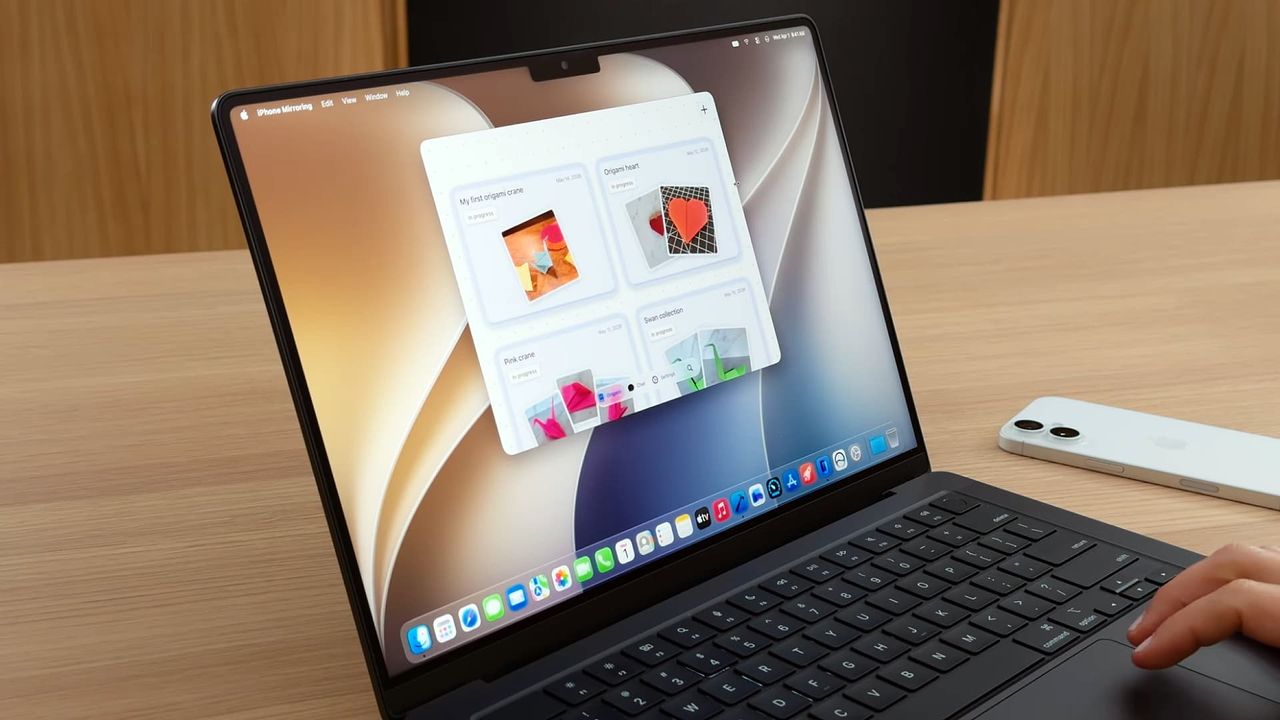
Apple announced that macOS 27, codenamed "Golden," will become generally available to Mac owners on September 14, positioning the update as the company’s most AI‑focused desktop operating system to date. The rollout was disclosed in the same "Surprise and Shine" event that introduced the iPhone Duo, the tech giant’s first foldable phone, but the macOS news received considerably less fanfare.
Golden builds on the machine‑learning framework introduced in earlier releases, extending generative AI assistance across native apps such as Pages, Keynote and Finder. Integrated with Apple Silicon, the system promises on‑device processing for tasks like image upscaling, text summarisation and contextual shortcuts, reducing reliance on cloud services. Apple’s documentation highlights tighter coupling between the new Core ML engine and the unified memory architecture, aiming for smoother real‑time suggestions without noticeable battery drain.
The timing of the announcement is notable because it follows a wave of criticism aimed at the prior macOS version, Tahoe. Users complained about inconsistent performance on older MacBook models, a perceived lack of meaningful new features, and a UI that felt incremental rather than innovative. Those concerns have lingered in forums and social media, prompting Apple to frame Golden as a corrective step that not only adds AI capabilities but also restores confidence in the platform’s stability.
Industry observers see the upgrade as part of Apple’s broader strategy to keep its desktop ecosystem competitive with Windows, which has been integrating AI tools into Windows 11. By embedding generative features directly into the OS, Apple hopes to entice developers to create AI‑enhanced software while giving existing users a reason to stay on the Mac platform rather than migrate to alternatives. The move also aligns with the company’s push to showcase the full potential of its custom silicon across all product lines.
Looking ahead, Apple will likely monitor user feedback closely during the first weeks after the September launch, especially on legacy hardware that struggled with Tahoe. Early adopters are expected to test the AI-driven workflows, and the company may roll out incremental patches to fine‑tune performance. If Golden delivers on its promises, it could not only placate critics of the previous release but also set a new baseline for how artificial intelligence is woven into everyday computing tasks on macOS.


Comments (0)
Be the first to comment.
Join the discussion