Apple Faces $5.7 B Patent Verdict, Plans Immediate Appeal
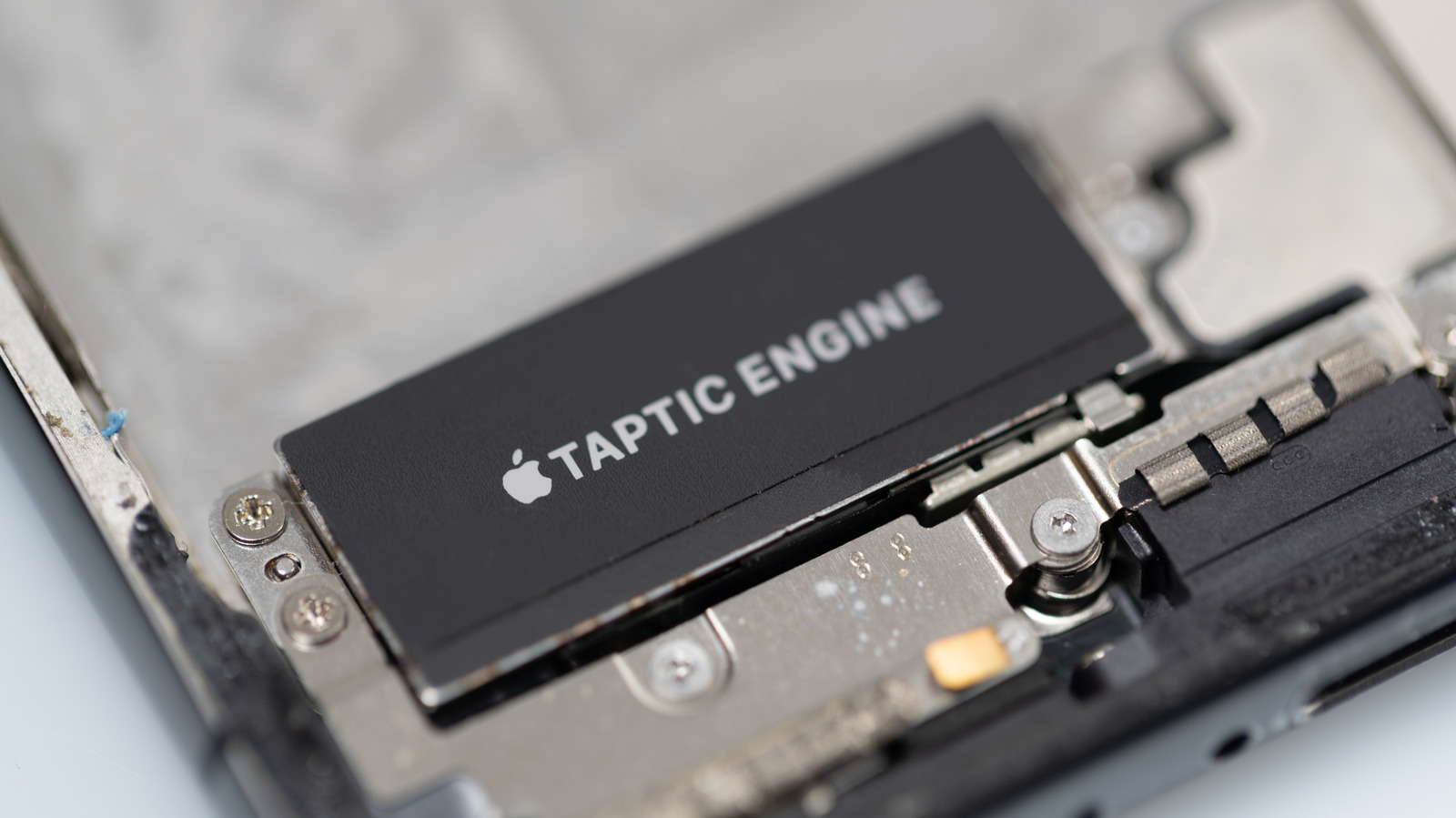
A federal jury has awarded $5.7 billion in damages to a plaintiff who accused Apple of violating its patents, marking one of the largest patent‑related judgments in the technology sector. Apple’s legal team confirmed that the company intends to challenge the verdict on appeal, signaling that the dispute is far from settled.
The case, which centered on alleged infringement of core technologies used in Apple’s flagship devices, was decided after a multi‑day trial that examined complex patent claims and the extent of their application in consumer electronics. While the specific patents were not disclosed in the public filing, experts note that the dispute reflects a broader trend of high‑stakes litigation as companies vie for control over essential hardware and software innovations.
Apple’s response is consistent with its historical approach to large verdicts; the firm has previously pursued appeals in similar matters, arguing that juries often inflate damages and that certain patent claims may not meet the legal standards for infringement. Legal analysts suggest that the appeal could focus on procedural issues, the calculation of damages, and the validity of the patents themselves.
The $5.7 billion figure, if upheld, would have significant financial implications for Apple, whose market capitalization runs into the trillions. Even though the company’s cash reserves are substantial, such a liability could affect quarterly earnings, dividend policy, and potentially the pricing of future products. Moreover, the verdict underscores the risk that high‑profile tech firms face when their innovations intersect with a dense web of existing intellectual‑property rights.
Industry observers say the outcome may prompt other patent holders to pursue aggressive litigation against major hardware manufacturers, while also encouraging firms to double‑down on defensive patent strategies and licensing negotiations. For now, Apple’s appeal process is expected to unfold over the coming months, with the possibility of a stay that could suspend payment of the judgment while higher courts review the case. The development will be closely watched by investors, competitors, and policymakers interested in the balance between protecting inventors’ rights and fostering rapid technological advancement.


Comments (0)
Be the first to comment.
Join the discussion