Jury Awards Taction $5.7 Billion After Finding Apple Infringed Haptic Patents
A federal jury in San Diego has ordered Apple to pay more than $5.7 billion in damages to haptics specialist Taction, concluding that the tech giant unlawfully used two of the company’s patented technologies.
Taction filed its lawsuit against Apple in 2021, accusing the iPhone and other device maker of violating U.S. Patent Nos. 10,659,885 and 10,820,117, which cover specific methods for delivering tactile feedback. The case centered on whether Apple’s implementation of vibration and pressure‑sensing features copied the patented inventions.
After a multi‑day trial, the jury found in favor of Taction, determining that Apple’s products incorporated the patented haptic mechanisms without permission. The verdict translates into a damage award exceeding $5.7 billion, one of the largest patent‑infringement judgments in recent memory.
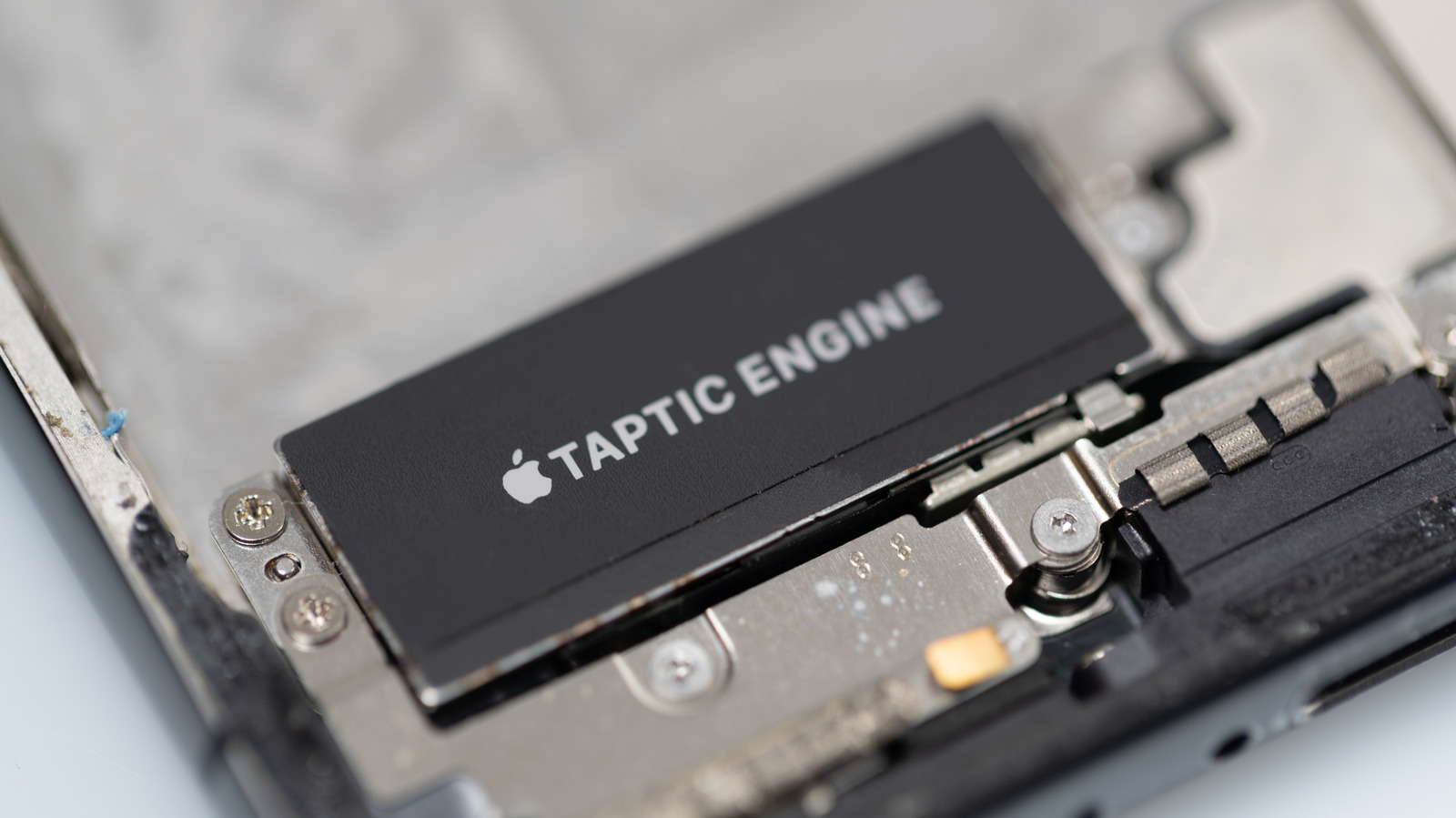
Apple has long relied on sophisticated haptic feedback to enhance user interaction across its iPhone, iPad, Apple Watch and other hardware. The technology allows devices to simulate physical sensations, such as clicks or textured surfaces, improving the perceived responsiveness of touchscreens. While Apple has previously defended its designs as original, the jury’s decision suggests a substantial overlap with Taction’s earlier filings.
The ruling arrives amid a broader wave of intellectual‑property disputes involving major technology firms. Courts have increasingly scrutinized the fine line between incremental innovation and the unauthorized adoption of existing patents, especially in areas like haptics where hardware and software converge.
Legal analysts note that Apple faces a strategic decision: accept the verdict and negotiate a settlement, or pursue an appeal that could overturn or reduce the award. An appeal would likely extend the litigation for months or even years, during which Apple may continue to sell devices that incorporate the contested technology.
Industry observers say the outcome could pressure Apple to redesign its haptic systems or to secure licensing agreements with Taction and other patent holders. Such adjustments could affect product development timelines and potentially increase costs that may be passed on to consumers.
The case also underscores the growing commercial value of haptic technology, a field that promises richer user experiences for smartphones, wearables, gaming controllers and emerging virtual‑reality platforms. As manufacturers race to differentiate their products, the protection and enforcement of underlying patents are likely to become an increasingly contentious arena.
While the final financial impact on Apple remains uncertain pending any further legal actions, the $5.7 billion judgment marks a significant moment for both companies and signals that even the world’s largest tech firms are not immune to costly patent challenges.

Comments (0)
Be the first to comment.
Join the discussion