Apple Enters Foldable Arena with iPhone Duo Amid Growing Competition
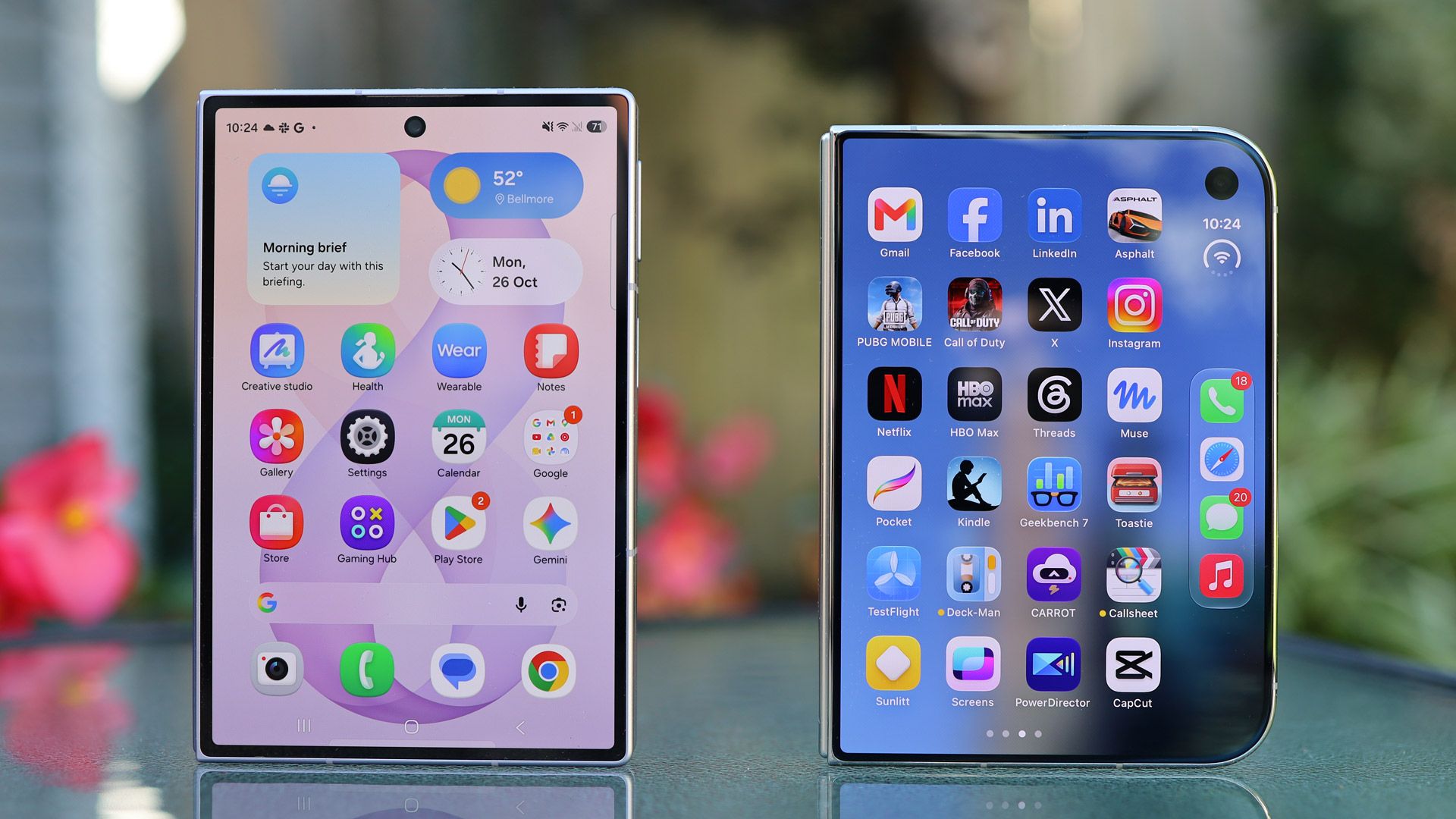
Apple has officially unveiled its first foldable smartphone, the iPhone Duo, marking the tech giant's entry into a market already populated by several flexible devices. While the iPhone Duo is not the inaugural foldable, it follows a handful of predecessors such as Samsung's Galaxy Z Fold 8 series—including the standard and Ultra variants—and Motorola's Razr Fold, among others.
The launch underscores Apple’s historically cautious approach to new form factors, often waiting until a technology matures before committing resources. Industry observers note that the iPhone Duo appears to be the fourth or fifth foldable phone to reach consumers, suggesting that Apple is aiming to learn from the successes and missteps of earlier models rather than racing ahead of the curve.
Samsung continues to dominate the foldable segment, with its Galaxy Z Fold 8 line praised for refined hinge mechanisms, robust software integration, and a growing ecosystem of accessories. Motorola’s Razr Fold, while nostalgic in design, has struggled to gain traction due to high price points and modest performance. Apple’s entry is therefore poised to reshape the competitive landscape, potentially leveraging its strong brand loyalty and extensive developer support to attract users who have been hesitant about foldable devices.
Analysts point out that the iPhone Duo’s significance lies less in groundbreaking hardware innovations and more in how Apple will adapt its software ecosystem to a dual-screen format. iOS will need to accommodate new multitasking paradigms, app scaling, and seamless transitions between folded and unfolded states. Early demonstrations hinted at a fluid user experience, but the real test will be third‑party developer adoption and the ability to deliver native apps that fully exploit the larger display area.
Consumers are also watching price closely. Foldable phones have historically carried premium price tags, limiting mass‑market appeal. While Apple has not disclosed pricing for the iPhone Duo, expectations are that it will sit at the higher end of the market, mirroring the pricing strategy of its flagship iPhone models. Whether this will deter price‑sensitive buyers remains to be seen, especially as Samsung and other manufacturers gradually introduce more affordable variants.
The launch arrives at a time when the smartphone market is seeking fresh growth drivers after years of incremental upgrades. Foldable devices promise larger screens without sacrificing portability, a proposition that could reinvigorate consumer interest. Apple's participation may accelerate this trend, prompting competitors to further refine hinge durability, battery life, and software optimization.
Looking ahead, the iPhone Duo could set new standards for how mobile operating systems handle dynamic screen real estate. If Apple succeeds in delivering a seamless experience, it may spur broader adoption of foldables beyond early adopters and tech enthusiasts. Conversely, any missteps could reinforce the perception that foldable phones remain a niche segment.
For now, the iPhone Duo stands as a notable milestone in Apple’s product history, reflecting both the company's willingness to explore emerging form factors and the broader industry's ongoing experiment with flexible displays. The coming months will reveal whether the Duo can carve out a lasting place in a market still defining its future.



Comments (0)
Be the first to comment.
Join the discussion