Measles Cases Surge from South Carolina to Washington in Two Weeks, Prompting Health Alerts
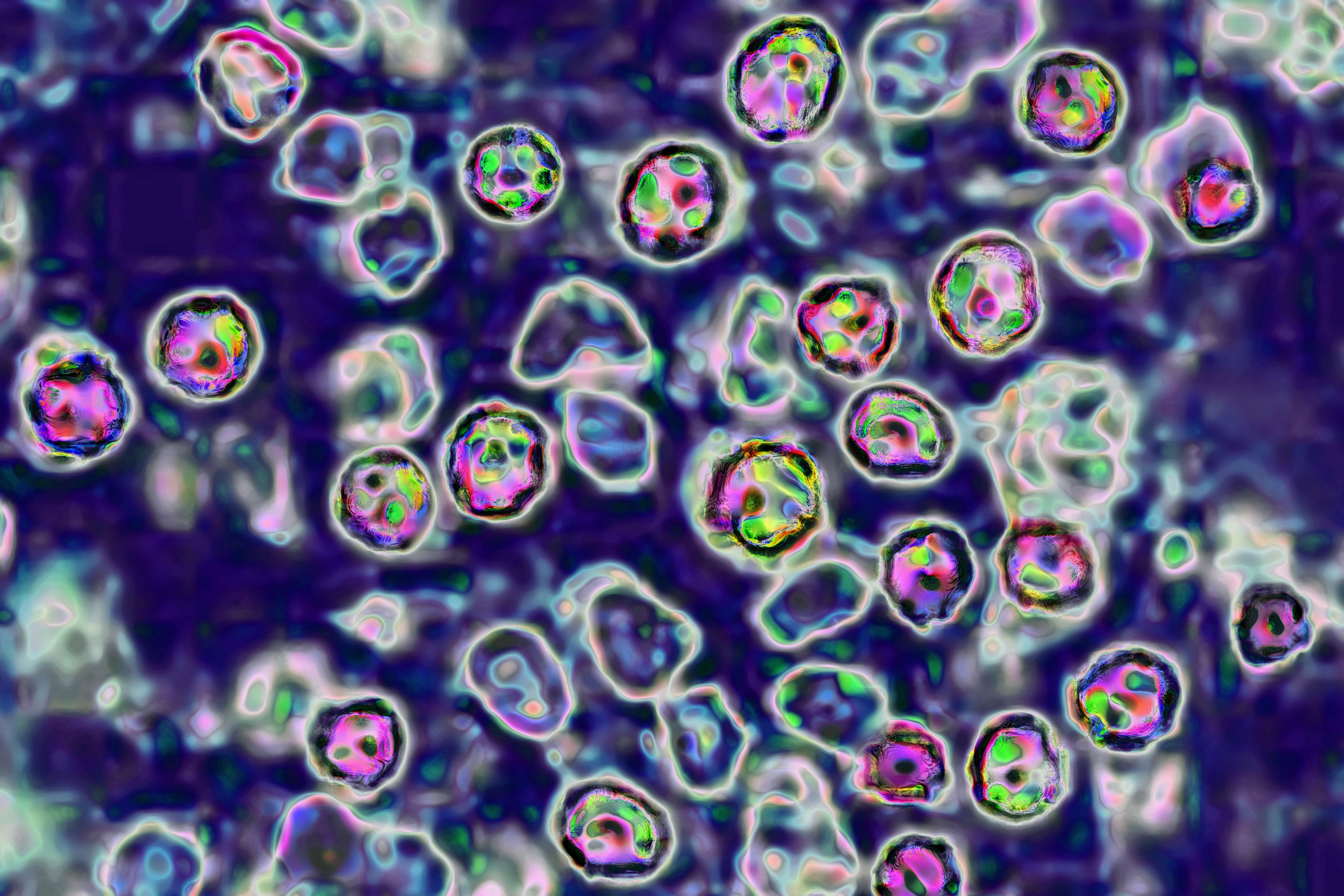
A cluster of measles infections that began in South Carolina has now been linked to five additional cases in Washington state within a two‑week span, prompting state health officials to issue heightened alerts and urging residents to verify their vaccination status.
Measles was declared eliminated in the United States in 2000, meaning endemic transmission no longer occurs. Nevertheless, the disease continues to appear sporadically, typically introduced by travelers returning from regions where the virus remains active or by unvaccinated Americans who contract it abroad and bring it back home.
Investigators tracing the recent Washington cases have identified a chain of transmission that appears to originate from the South Carolina outbreak. While exact travel routes are still being mapped, health departments in both states report that the individuals involved had recent interstate movement and had not received the recommended two doses of the measles‑mumps‑rubella (MMR) vaccine. The pattern underscores how quickly the virus can move across the country when pockets of susceptibility exist.
In response, the Washington State Department of Health, together with the Centers for Disease Control and Prevention, has launched a rapid vaccination campaign targeting schools, colleges, and community centers in the affected counties. Public advisories emphasize that the MMR vaccine is safe, effective, and the primary tool for preventing further spread. Clinics are offering free immunizations, and contact tracing efforts are underway to identify anyone who may have been exposed.
Experts caution that the episode illustrates a broader vulnerability linked to vaccine hesitancy and gaps in immunization coverage. Even a small number of unvaccinated individuals can sustain transmission, especially in densely populated settings. Continued vigilance, robust vaccination programs, and public education are viewed as essential to maintaining the United States' measles‑free status and averting larger outbreaks in the future.



Comments (0)
Be the first to comment.
Join the discussion