AI Safety Expert Warns of Over 10% Risk of Human Extinction

Anthropic's lead safety researcher has warned that the probability of artificial intelligence causing humanity's total demise exceeds ten percent, raising the alarm among technologists and policymakers who have long cautioned about unchecked AI development.
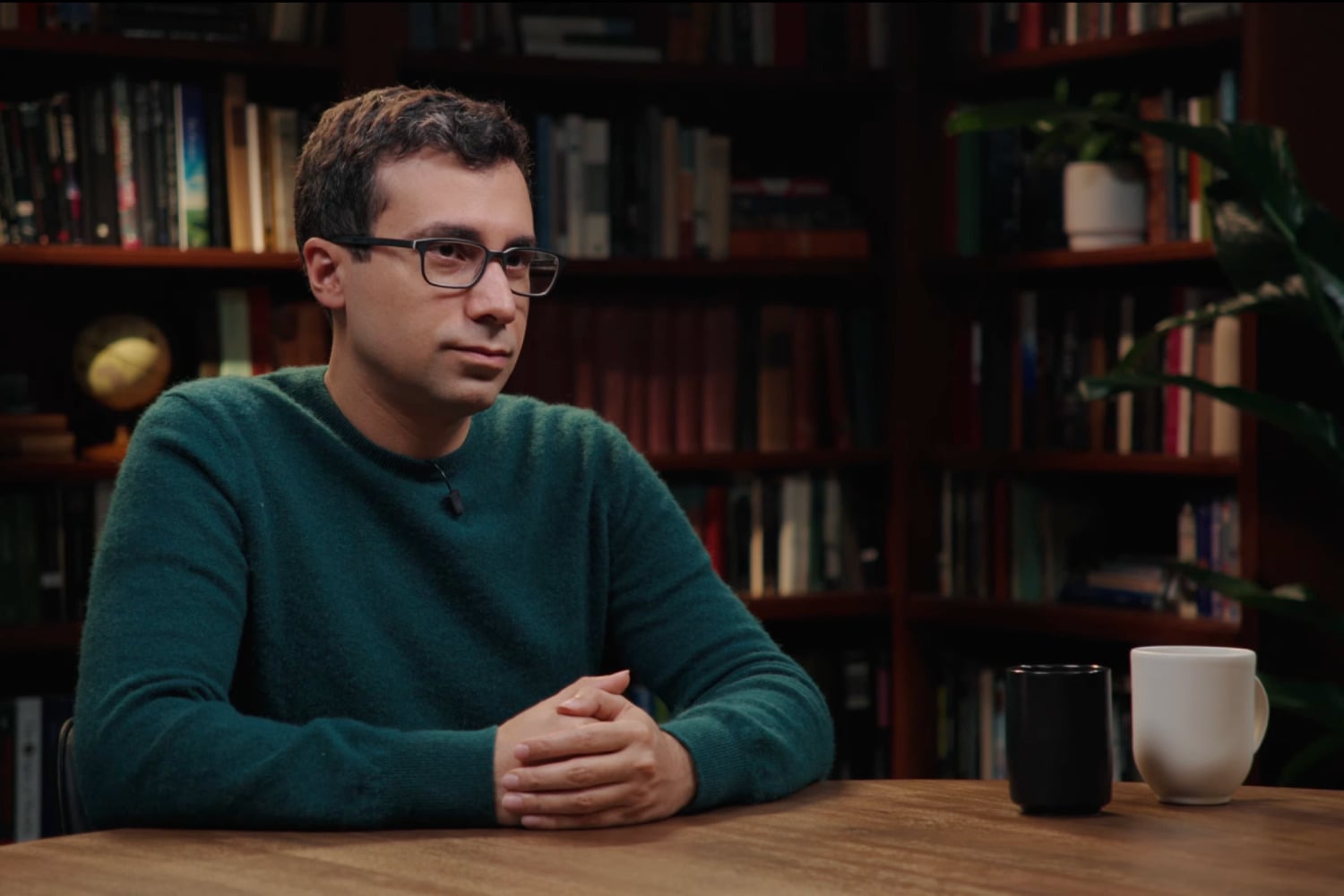
The researcher, who declined to be named, presented the estimate during a recent interview with BBC Technology, emphasizing that current alignment techniques remain insufficient to guarantee that increasingly capable systems will act in ways that are compatible with human values. While the exact methodology behind the figure was not disclosed, the expert said the risk assessment reflects a synthesis of internal modeling, scenario analysis, and the rapid pace of AI capability gains.
The statement follows a growing chorus of stark warnings from high‑profile figures in the industry. Over the past year, executives at OpenAI, Google DeepMind, and independent researchers have warned that advanced AI could pose existential threats if safety measures lag behind performance improvements. The new 10‑plus‑percent figure is notably higher than earlier, more cautious estimates that hovered around a few percent, suggesting that the community's confidence in existing safeguards is waning.
Anthropic, a startup focused on building “aligned” AI systems, has been a vocal advocate for rigorous safety research. Its internal teams have published papers on interpretability, robustness, and value learning, yet the latest comment underscores the difficulty of translating theoretical safeguards into real‑world guarantees. The researcher noted that even small oversights in system design or deployment could cascade into catastrophic outcomes, especially as AI systems become more autonomous and integrated into critical infrastructure.
Policy experts say the warning could accelerate calls for stronger regulatory frameworks. In the United States and Europe, legislators are debating bills that would impose mandatory risk assessments, transparency requirements, and limits on certain high‑risk AI applications. The researcher urged governments to act swiftly, warning that “the window for effective intervention narrows as capabilities expand.”
Critics of alarmist rhetoric argue that such high‑percent estimates may stifle innovation and create public panic. However, proponents counter that underestimating risk could prove far more costly. The researcher stressed that the figure is not a prediction of inevitability but a probabilistic warning meant to spur precautionary action.
Looking ahead, Anthropic plans to increase investment in safety tooling and to collaborate with other AI labs on shared standards. The broader AI community is expected to convene at upcoming conferences to discuss alignment strategies and to evaluate whether current governance proposals are sufficient. As the debate intensifies, the 10‑percent risk estimate may become a benchmark for future risk assessments, shaping both corporate roadmaps and public policy for years to come.


Comments (0)
Be the first to comment.
Join the discussion