Anthropic expands hidden AI text watermark to all users amid EU regulation push
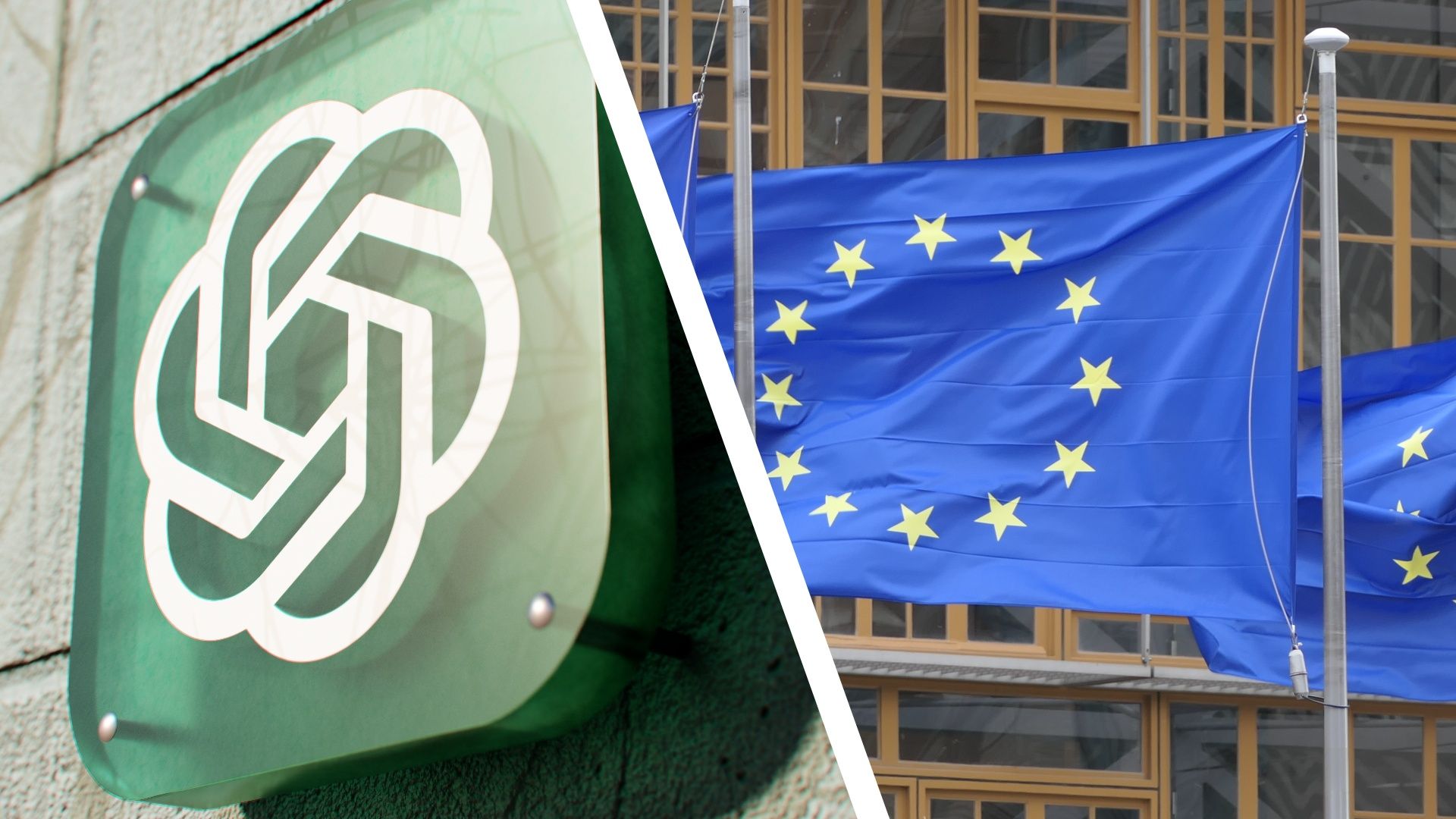
Anthropic announced that its Claude language model will begin embedding an invisible watermark in every piece of text it generates, a move that goes beyond the requirements of the European Union's AI Act and applies to all customers worldwide.
The EU AI Act, which aims to increase transparency around artificial intelligence, mandates that AI‑generated content be clearly distinguishable from human‑written material. To comply, companies have been exploring technical methods—such as digital signatures or subtle statistical patterns—to embed traceable markers that can be detected by specialized tools without altering the visible output.
Claude's watermark operates by subtly influencing the selection of tokens during generation, creating a pattern that is statistically detectable by algorithms but remains invisible to readers. The watermark does not affect the fluency or accuracy of the text, and it can be verified using open‑source detection utilities that analyze the underlying token distribution.
For users who copy and share AI‑generated passages, the new watermark means that third‑party platforms equipped with detection software may automatically flag the content as machine‑produced. This could have implications for academic submissions, journalistic sourcing, and social‑media moderation, where the origin of text is increasingly scrutinized.
Anthropic's decision to roll out the feature globally reflects a proactive compliance strategy, signaling that the company expects similar transparency requirements to emerge in other jurisdictions. By standardising the watermark across all markets, Anthropic also simplifies its engineering pipeline and reduces the risk of accidental non‑compliance.
Other AI developers have taken comparable steps. OpenAI, for instance, has experimented with watermarking its own models, while Microsoft and Google have explored metadata tagging. Industry observers note that a universal, interoperable watermarking standard could ease cross‑platform verification and reduce the burden on end‑users to manually check content provenance.
As the practice becomes more widespread, regulators, developers, and civil‑society groups are likely to debate the balance between transparency and user privacy. Critics argue that undisclosed watermarks could be seen as covert tracking, whereas proponents contend that they are essential for combating misinformation and ensuring accountability in an era of rapidly advancing generative AI.



Comments (0)
Be the first to comment.
Join the discussion