Ancient Egyptian Royal Tombs May Hold Evidence of Ritual Sacrifice, New Study Finds
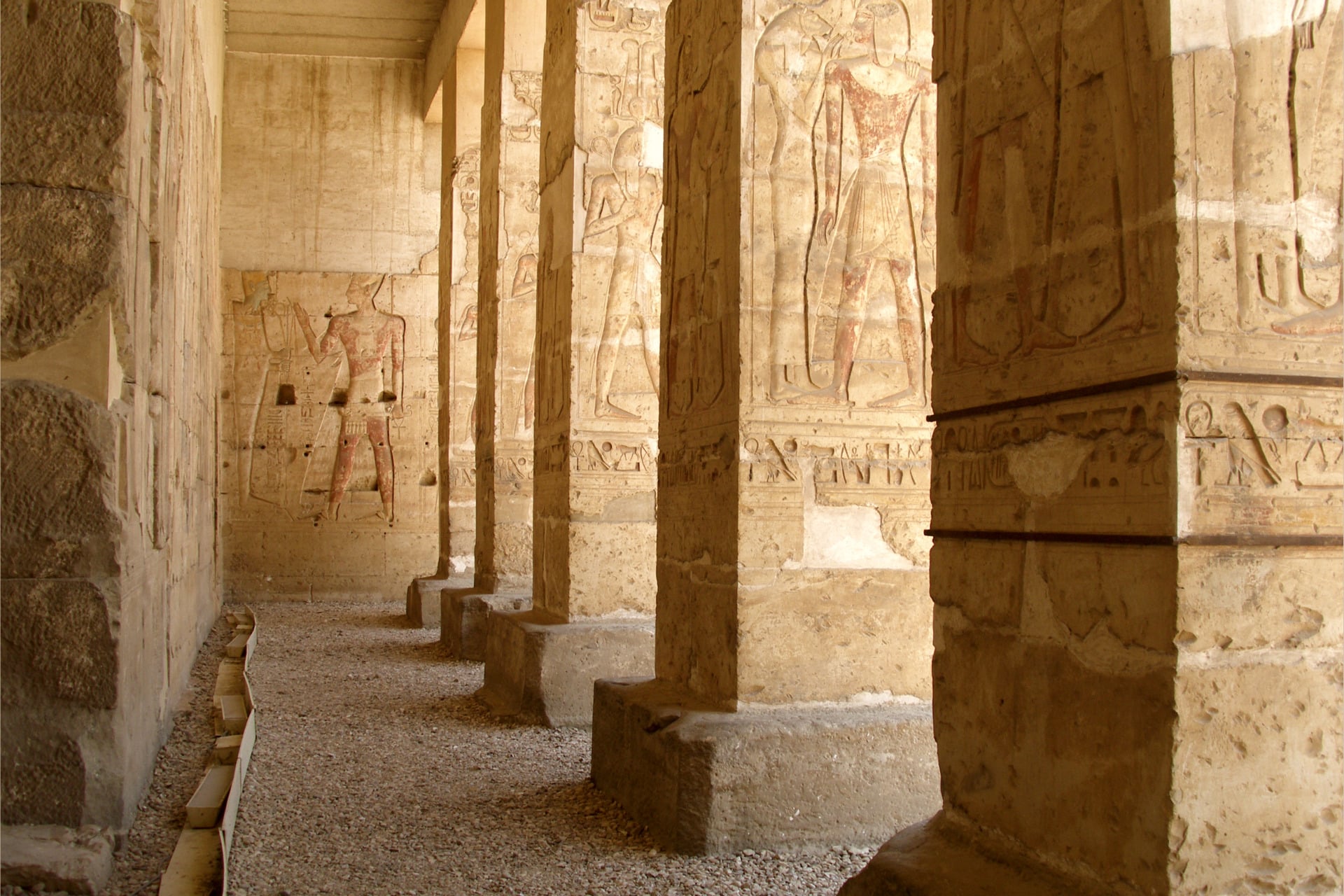
Recent forensic analysis of human remains from the royal burial complex at Abydos suggests that some of the individuals interred around the main tomb may have been victims of ritual killing, a practice long debated among scholars of early Egyptian history.
The study focused on dozens of skulls recovered from secondary graves that encircle the central tomb of a First Dynasty ruler. Microscopic examination revealed trauma patterns inconsistent with accidental or natural death, pointing instead to deliberate blows to the head.
These findings echo a question raised by an Egyptologist in the 1920s, who noted the unusually high concentration of peripheral burials and wondered whether they could all have perished simultaneously from disease or famine. The new evidence indicates that at least a portion of the group may have been sacrificed to accompany the king in the afterlife, a practice documented in later periods but rarely confirmed for this early era.
Abydos, located in Upper Egypt, served as one of the earliest royal necropolises and is associated with the emergence of state formation and complex funerary rites. The presence of human sacrifice, if verified, would add a stark dimension to our understanding of the political and religious motivations that underpinned the consolidation of power during the dawn of the Egyptian civilization.
While the analysis provides compelling clues, researchers caution that further investigation is needed to determine the scale of the practice and its exact cultural context. Ongoing excavations and advanced imaging techniques may soon clarify whether these deaths were isolated incidents or part of a broader ritual tradition that shaped the foundations of ancient Egyptian kingship.



Comments (0)
Be the first to comment.
Join the discussion