AI Demand Prompts AMD to Shift Memory Strategy for New Adaptive SoCs
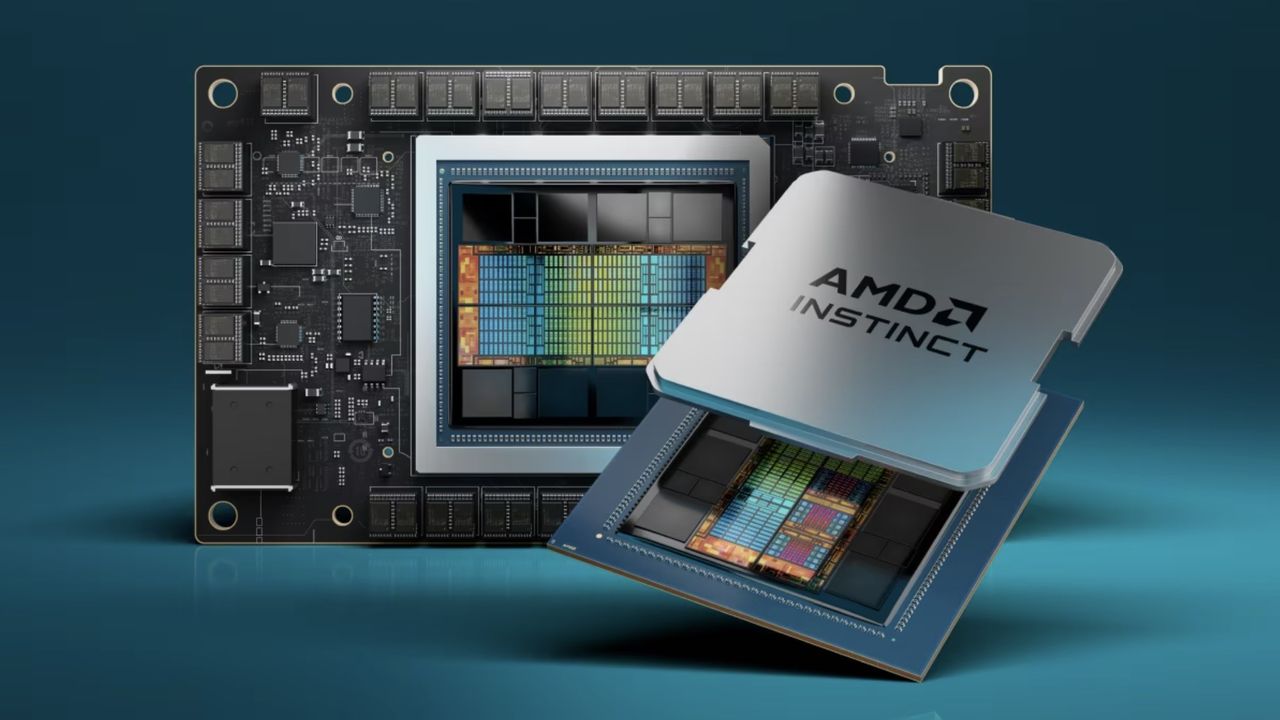
Advanced Micro Devices (AMD) is transitioning away from High Bandwidth Memory (HBM) in its latest Versal Premium Gen 2 adaptive System-on-Chip (SoC) lineup, opting instead for LPDDR5x memory. This strategic shift, revealed with the launch of the Versal Premium Gen 2 Memory on Package, marks a significant change in the memory architecture for these high-performance components.
The move entails a substantial reduction in memory bandwidth compared to previous generations utilizing HBM. While the discontinued Versal HBM offered an impressive 840 GB/s, the new LPDDR5x configuration in the Gen 2 series delivers approximately 288 GB/s. This represents a decrease of roughly 65% in peak theoretical memory bandwidth.
Despite the bandwidth reduction, AMD is presenting this change as a beneficial development for its customers. The company highlights improved memory availability in the market for LPDDR5x, a critical factor given current supply chain dynamics. Additionally, AMD points to a smaller package footprint as an advantage, potentially offering greater design flexibility and space efficiency for system integrators.
Industry observers suggest the underlying driver for AMD's decision is the intense competition for HBM, predominantly from the burgeoning artificial intelligence and machine learning sectors. AI accelerators, particularly those used in large language models and data center training, consume vast quantities of HBM, making it a highly sought-after and often scarce resource.
For customers relying on Versal adaptive SoCs for demanding applications in areas such as networking, data centers, and specialized industrial computing, the impact of this bandwidth trade-off will be a key consideration. While LPDDR5x offers a cost-effective and readily available alternative, the performance implications of a 65% bandwidth cut could be notable for workloads heavily dependent on rapid data access.
This development underscores a broader trend within the semiconductor industry, where the insatiable demand for high-performance memory by AI applications is reshaping design choices and supply priorities across various product categories. Companies are increasingly forced to balance optimal performance with practical considerations of supply chain stability and cost.
As AMD navigates these market forces, the success of the Versal Premium Gen 2 will depend on how well its LPDDR5x implementation meets the real-world performance requirements of its target users. The long-term implications for adaptive SoC development could see further innovation in memory interfaces or a continued re-evaluation of memory types based on market availability and application-specific demands.



Comments (0)
Be the first to comment.
Join the discussion