AI-Equipped Garbage Trucks Spark Privacy Debate Across U.S. Cities
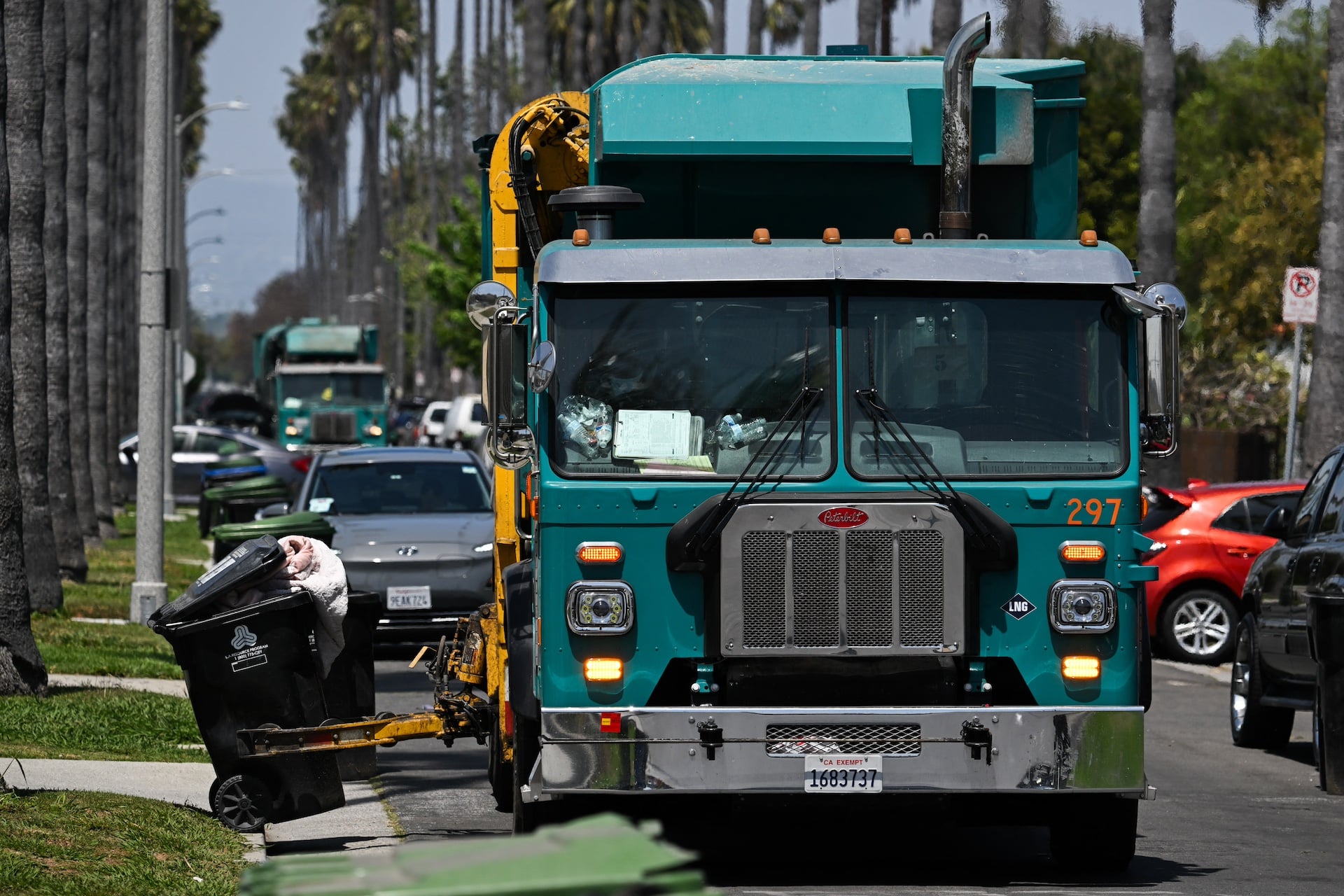
Municipalities across the United States are beginning to field garbage trucks fitted with artificial‑intelligence cameras that can recognize objects, sort recyclables on the fly and record video of the streets they travel, prompting city officials and privacy advocates to grapple with the implications of an ever‑expanding surveillance network.
The new trucks combine high‑resolution video sensors with machine‑learning algorithms capable of distinguishing between paper, plastic, metal and organic waste. In addition to improving sorting efficiency, the systems generate continuous street‑level footage that can be stored, analyzed or shared with other city services, according to the technology vendors promoting the deployments.
Several mid‑size cities have entered pilot programs with private firms that specialize in AI‑driven waste management. The partnerships typically involve the municipality providing the fleet while the vendor supplies the camera hardware, software platform and data‑hosting infrastructure. Proponents argue that the technology could boost recycling rates, reduce landfill volume and cut operating costs by optimizing routes based on real‑time load assessments.
However, civil‑liberties groups warn that the cameras create a de‑facto mobile surveillance platform that operates without clear oversight. They point out that video captured by the trucks could be repurposed for law‑enforcement monitoring, facial‑recognition searches or commercial data‑mining, especially in the absence of statutes governing data retention, access or deletion.
City councils are now weighing the trade‑offs. Some officials stress the environmental gains and potential budget relief, while others call for strict limits on how long footage is stored, who can view it, and whether the data can be linked to individual residents. A handful of municipalities have already drafted ordinances requiring anonymization of video streams and public reporting on data usage.
The debate mirrors broader national conversations about the balance between smart‑city efficiencies and privacy rights. As AI‑enabled vehicles move beyond pilot phases, lawmakers, technologists and community advocates are likely to shape the regulatory framework that determines whether the benefits of smarter waste collection can be realized without turning everyday streets into an unregulated surveillance grid.


Comments (0)
Be the first to comment.
Join the discussion