Florida Grapples with Record Dengue Surge as Counties Declare Emergencies
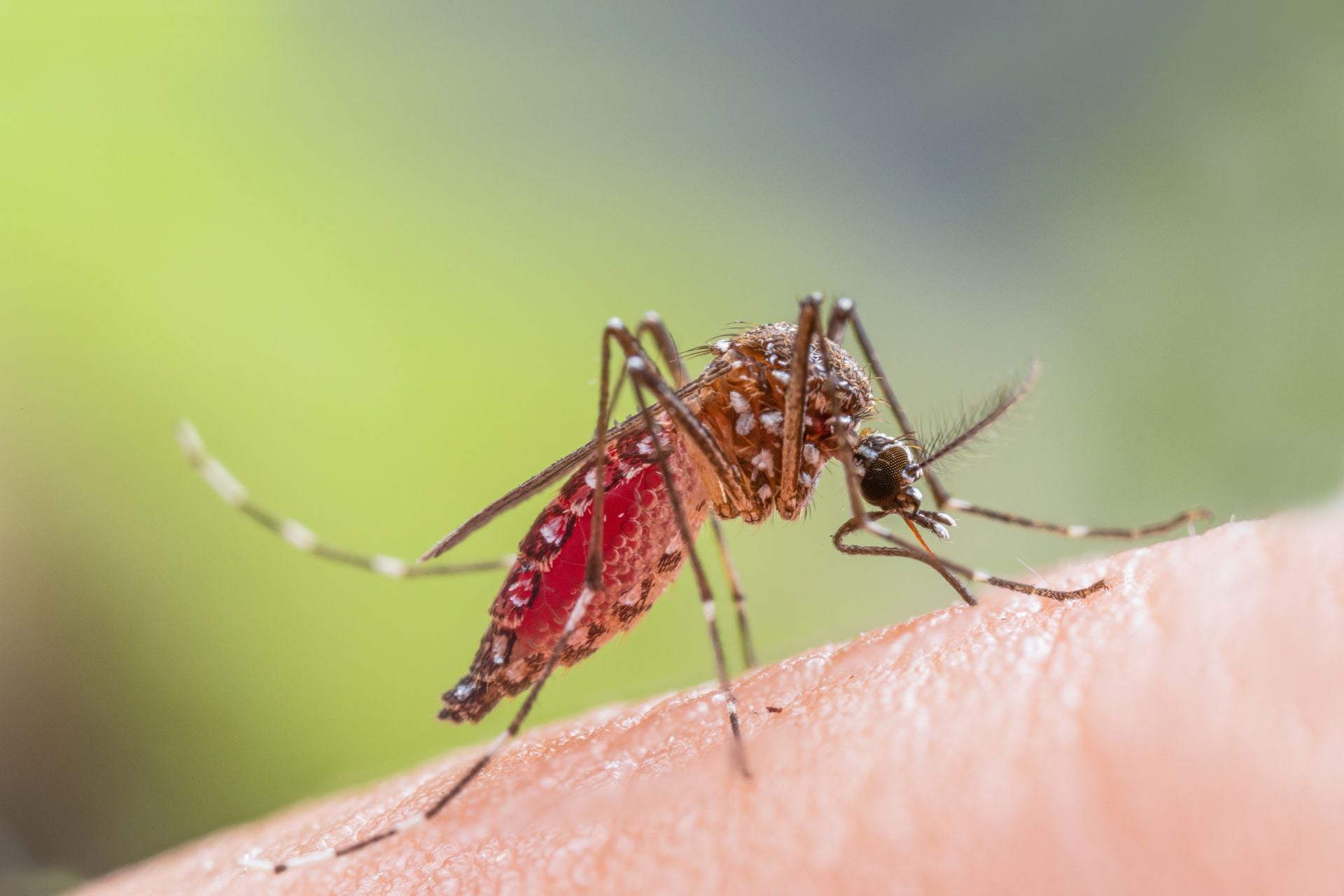
Health officials across Florida are confronting an unprecedented wave of locally transmitted dengue fever, prompting multiple counties to issue emergency declarations this summer. The surge, which officials say outpaces any prior outbreak in the state, has already resulted in a sharp increase in hospital admissions and a strain on vector‑control resources.
The 2026 season has emerged as the most severe on record for home‑grown dengue cases, surpassing the numbers documented during the 2019 and 2022 spikes. State epidemiologists attribute the spike to a combination of unusually warm temperatures, extended periods of rainfall, and the proliferation of the Aedes aegypti mosquito, the primary carrier of the virus.
Local health departments have mobilized teams to intensify larvicide applications, conduct door‑to‑door inspections, and distribute educational materials on preventing mosquito breeding sites. Despite these efforts, the rapid expansion of mosquito habitats in urban and suburban neighborhoods has hampered containment, leading officials to request additional state funding and federal assistance.
Experts warn that the current outbreak could have broader public‑health implications if left unchecked. Dengue can cause severe flu‑like symptoms, and in some cases progresses to dengue hemorrhagic fever, which carries a higher risk of hospitalization and death. The rise in cases also raises concerns for travelers and tourists, a vital segment of Florida's economy, prompting the state tourism board to issue advisories on protective measures.
Historically, Florida has experienced intermittent dengue activity, often linked to travelers returning from endemic regions. However, the present pattern of sustained local transmission marks a shift, suggesting that the virus has established a more permanent foothold. Researchers are monitoring genetic samples of the virus to determine whether new strains are contributing to its heightened transmissibility.
Looking ahead, state officials plan to expand community outreach programs, increase funding for mosquito‑control infrastructure, and collaborate with neighboring Gulf Coast states to share data and strategies. The emergency declarations remain in effect for the duration of the outbreak, with the possibility of extension should the situation not improve before the fall season.



Comments (0)
Be the first to comment.
Join the discussion