FAA to Review Tesla Roadster 2’s Potential for Aerial Operation

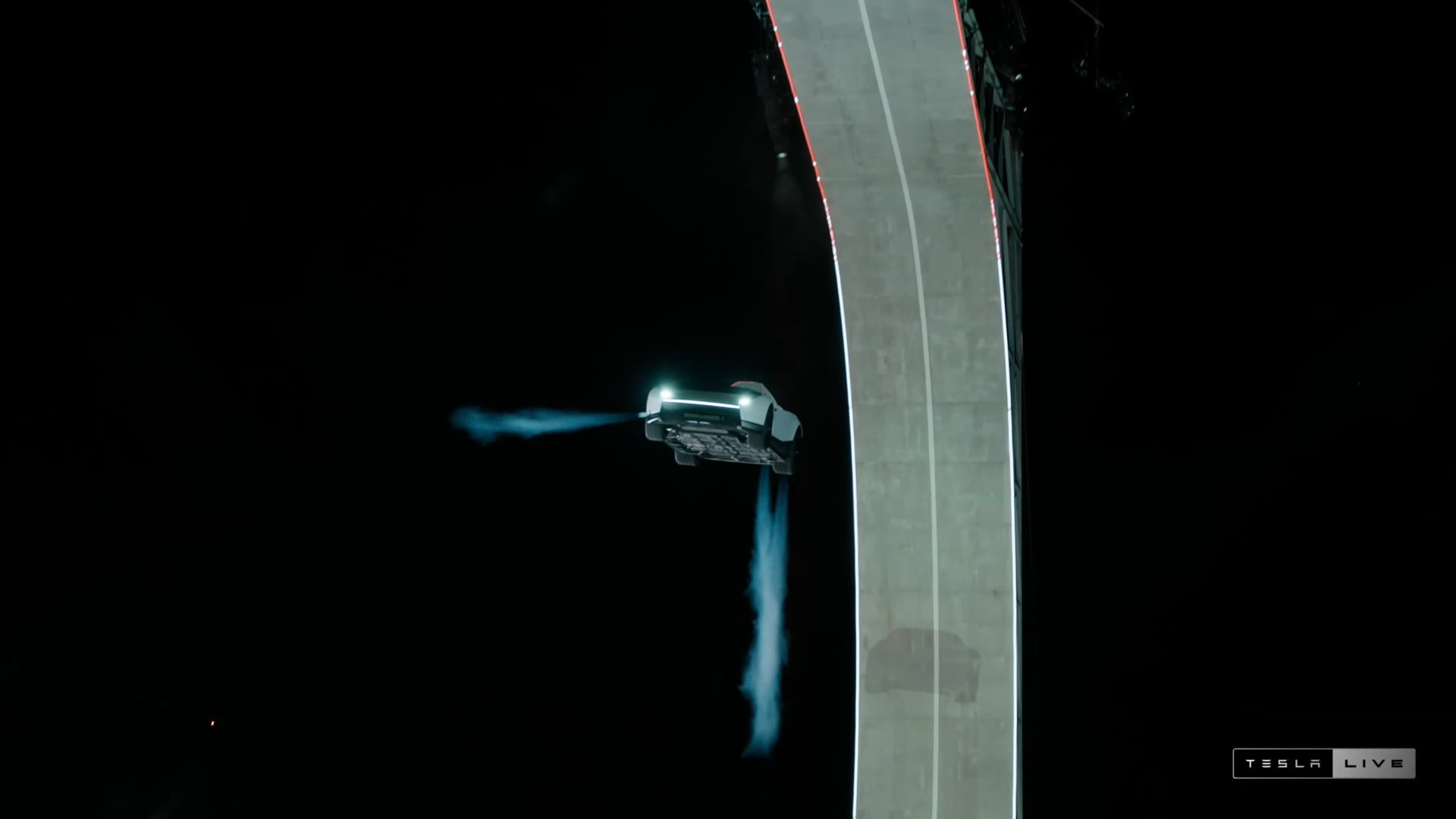
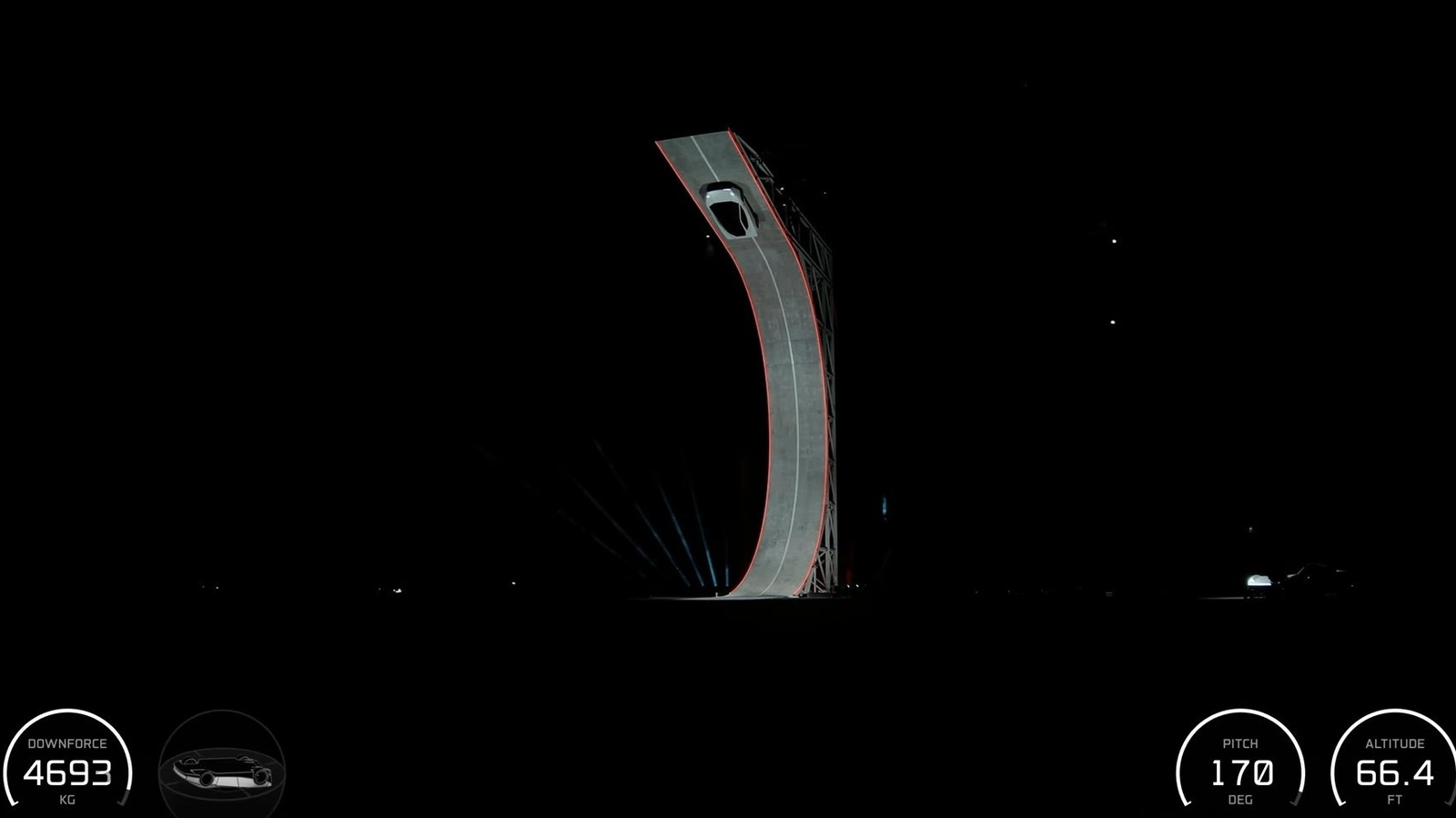
The Federal Aviation Administration announced that it will examine the Tesla Roadster 2 to determine whether the electric sports car meets any criteria for aerial flight, a move that has sparked renewed speculation about a possible “flying car” from the automaker.
Tesla’s second‑generation Roadster, unveiled last year as a high‑performance, all‑electric vehicle, includes design elements that some observers have suggested could be adapted for lift‑assist technologies. While the company has not officially claimed the car can leave the ground, the mere suggestion has drawn attention from both automotive enthusiasts and aviation regulators.
Under U.S. law, any vehicle capable of sustained flight must be certified by the FAA, which evaluates safety standards, control systems, and airworthiness. The agency’s decision to look into the Roadster 2 indicates that it is taking the rumors seriously enough to assess whether the vehicle’s specifications—such as weight, power output, and aerodynamic profile—could qualify it for any kind of flight‑related classification, even if only as a prototype.
Industry analysts note that the convergence of electric propulsion and lightweight materials could make hybrid ground‑air concepts more feasible than in the past. However, they also caution that turning a sports car into a legitimate aircraft would require extensive redesign, including the addition of lift surfaces, redundant control systems, and compliance with stringent safety protocols that far exceed those for road vehicles.
The FAA’s review is expected to be procedural rather than a definitive endorsement of a flying Tesla. Should the agency find that the Roadster 2 does not meet existing aviation standards, it could still provide guidance on what modifications would be necessary for future attempts. The outcome will likely influence how other manufacturers approach the emerging market for electric vertical take‑off and landing (eVTOL) vehicles, a sector that has attracted significant investment but remains tightly regulated.
For now, Tesla has not commented on any official plans to develop a road‑to‑air platform. The company’s focus continues to be on expanding its electric vehicle lineup and advancing battery technology. Nonetheless, the FAA’s involvement adds a layer of regulatory scrutiny that could shape the feasibility of any such ambitions, reminding innovators that crossing the boundary between automotive and aerospace domains requires more than just engineering imagination.

Comments (0)
Be the first to comment.
Join the discussion