Tesla Announces 2028 Roadster Capable of Aerial Corkscrew Maneuvers
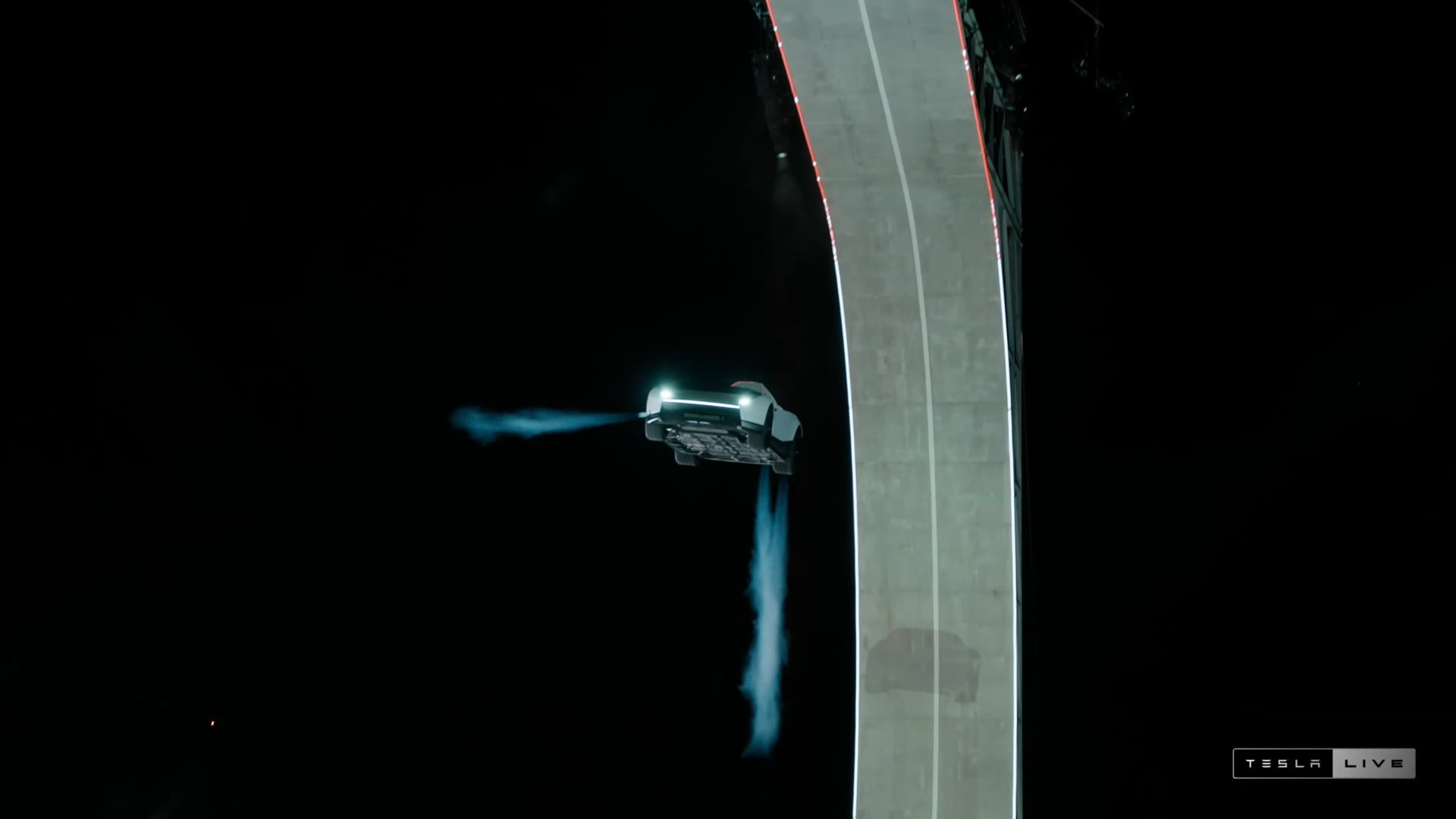
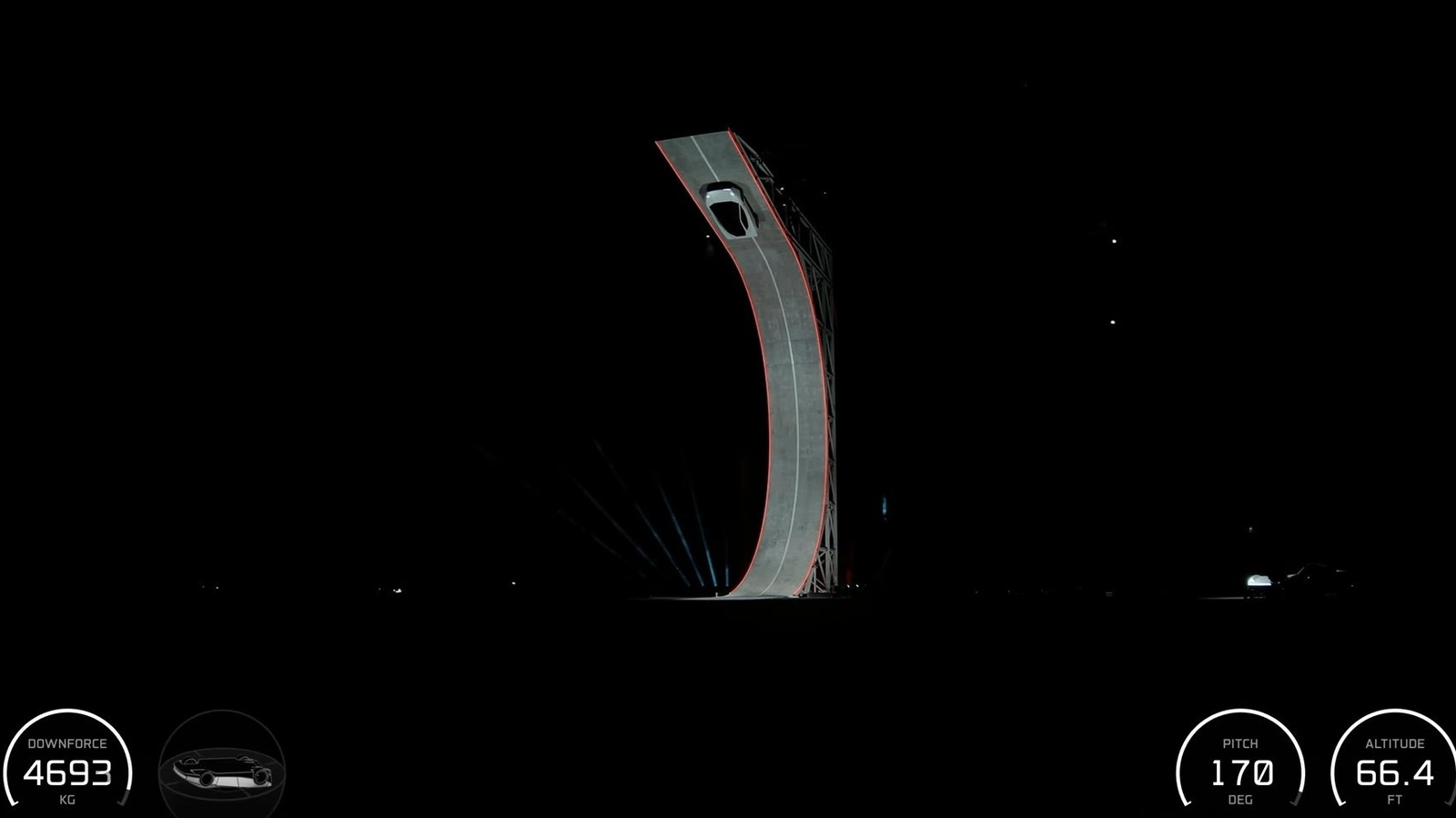
Tesla CEO Elon Musk announced that the company’s next‑generation Roadster, expected to launch in 2028, will be engineered to perform corkscrew‑style rotations while airborne, a capability the automaker says has been achieved without the risk of explosion so far.
The claim, first reported by Gizmodo, suggests the electric sports car will incorporate aerodynamic and propulsion systems that allow it to execute controlled spins in the air, a feat traditionally associated with stunt aircraft rather than road vehicles. Musk described the feature as an “engineering marvel,” noting that extensive testing has prevented any catastrophic failures during early trials.
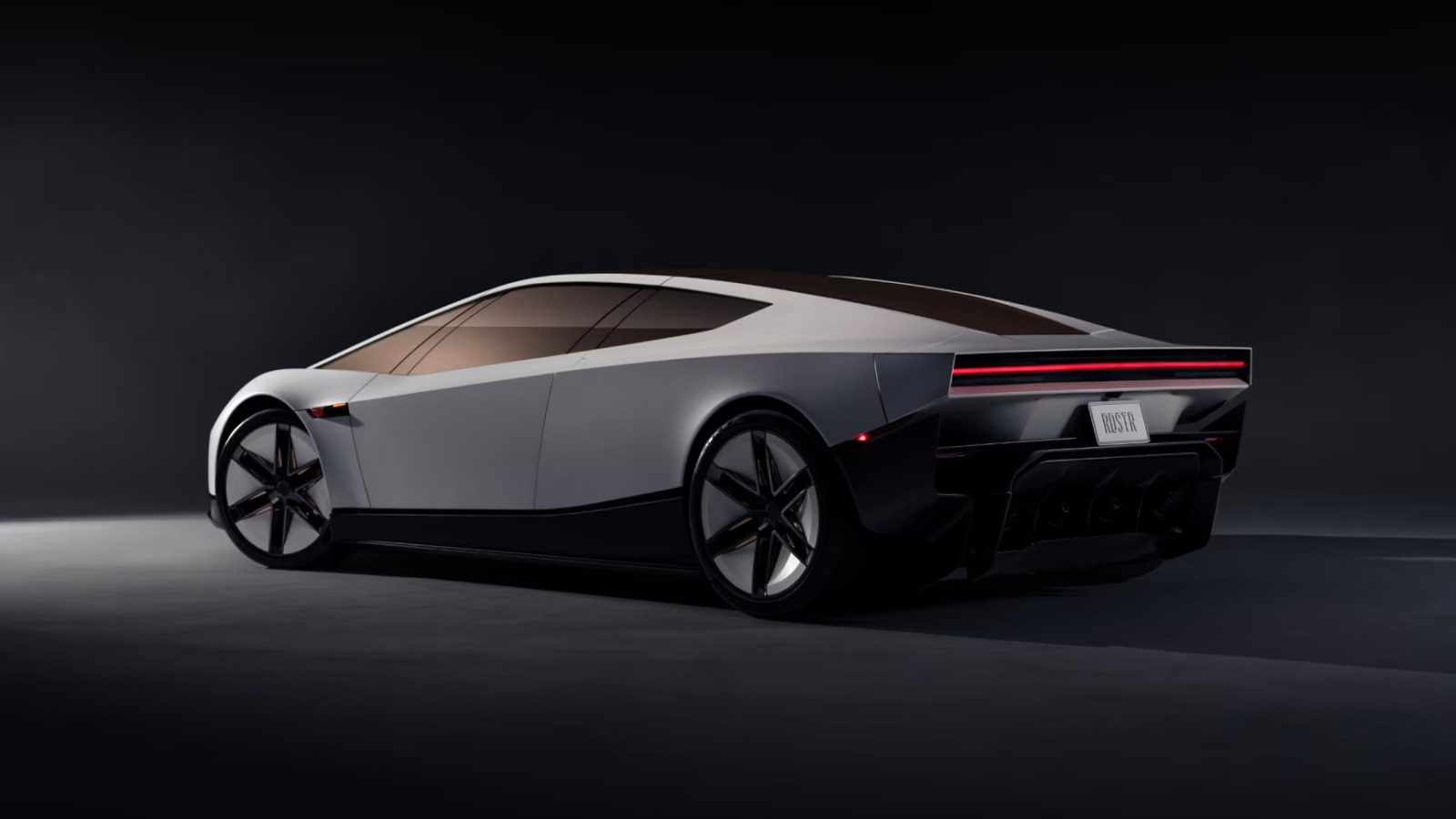
Tesla’s Roadster lineage began with the 2008 model, which helped establish the brand’s reputation for high‑performance electric cars. The forthcoming version is slated to push those limits further, blending extreme acceleration with unconventional aerodynamic tricks. Industry observers see the announced corkscrew ability as an extension of Tesla’s pattern of challenging conventional automotive design.
While the prospect of a road‑legal car capable of such aerial maneuvers excites enthusiasts, it also raises safety and regulatory questions. Automotive safety standards typically address ground‑based dynamics; introducing controlled spins in the air will likely require new testing protocols and possibly special licensing. Musk’s comment that the prototype has not yet exploded underscores the experimental nature of the technology and the hurdles that remain before it can be deemed road‑ready.
Looking ahead, Tesla has set a firm target of 2028 for the Roadster’s market debut. The timeline suggests the company will spend the next few years refining the vehicle’s stability systems, crash safety, and compliance with transportation authorities. If successful, the Roadster could redefine performance expectations for electric sports cars and influence future design approaches across the industry.

Comments (0)
Be the first to comment.
Join the discussion