Study Finds Quick‑Apply Liquid Can Halt Early Tooth Decay in Children
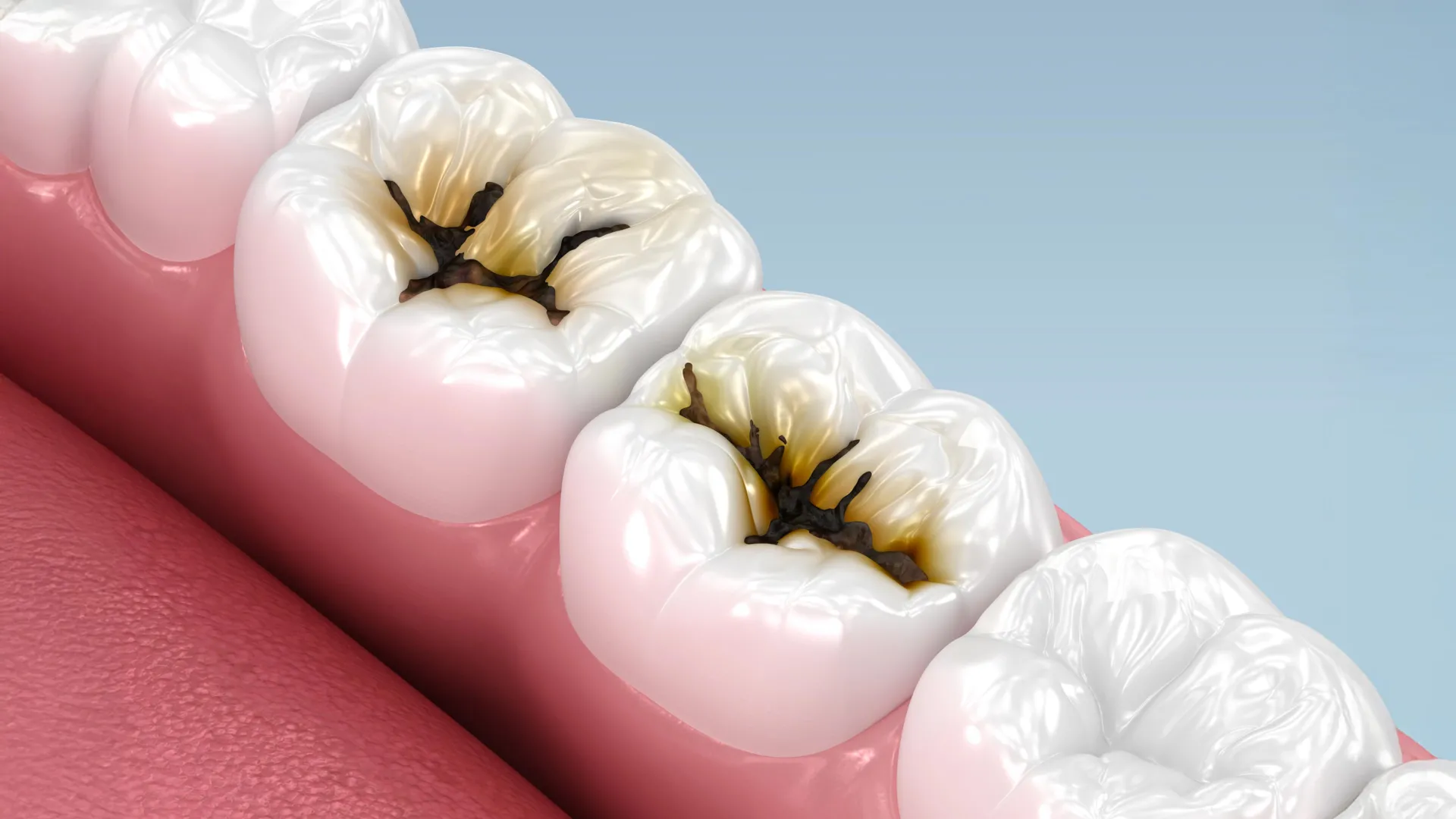
A large clinical trial involving preschool‑age children has demonstrated that a thin, paint‑like liquid applied to teeth can arrest the formation of cavities without the need for drilling, injections or anesthesia. Researchers reported that the treatment, which sets within seconds, stopped the progression of early decay in participants, offering a potentially painless alternative to traditional restorative dentistry.
The study, conducted across multiple pediatric dental clinics, enrolled several hundred children who exhibited early signs of tooth decay. Participants received a single application of the liquid to affected surfaces, and follow‑up examinations over the ensuing months showed a marked reduction in lesion advancement compared with untreated control sites. The investigators highlighted the simplicity of the procedure, noting that it can be performed in a standard dental office without specialized equipment.
Current standard care for cavities often involves mechanical removal of decayed tissue followed by filling, a process that can be distressing for young patients and may require sedation or general anesthesia in severe cases. By contrast, the liquid works by delivering a therapeutic agent that penetrates the porous enamel and dentin, creating a protective barrier that halts bacterial activity. The approach aligns with growing interest in minimally invasive dentistry, which seeks to preserve natural tooth structure whenever possible.
Beyond clinical outcomes, the trial underscored the cost‑effectiveness of the liquid treatment. Because it can be administered quickly and does not necessitate expensive equipment or extensive chair time, it could lower the financial barrier for families and public health programs, especially in underserved communities where access to dental care is limited. The researchers estimate that widespread adoption could prevent thousands of invasive procedures each year.
While the results are promising, the authors caution that longer‑term studies are needed to confirm durability of the effect and to assess any potential side effects. Ongoing trials are set to evaluate the liquid’s performance in older children and adults, as well as its compatibility with existing preventive measures such as fluoride varnish. If further research supports the initial findings, the dental field may see a shift toward chemical arrest of decay as a routine component of early‑stage caries management.



Comments (0)
Be the first to comment.
Join the discussion