Decades-Old Firefly Rediscovered Highlights Widespread Insect Decline in North America
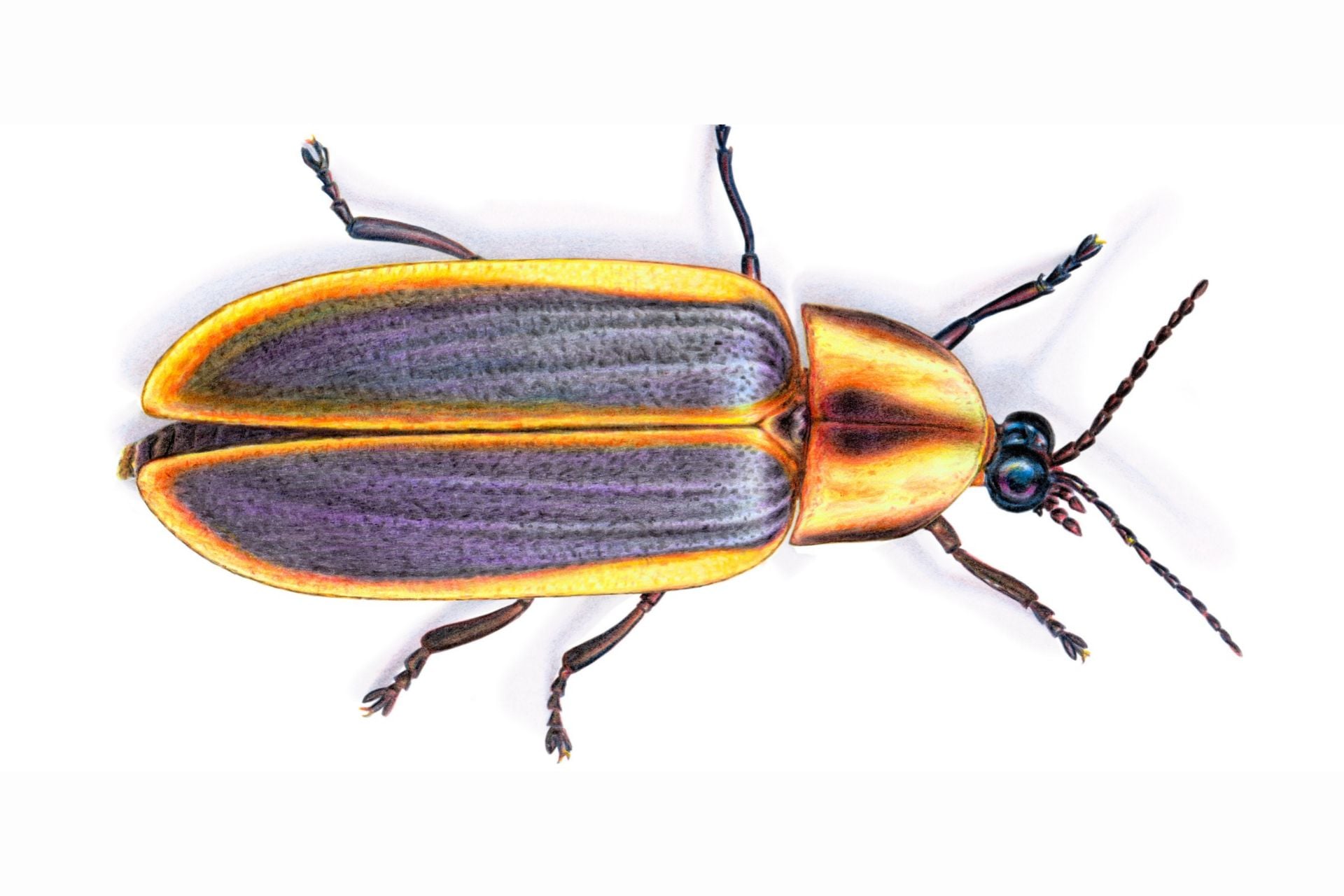
A firefly that vanished from scientific records for 43 years has been found alive again, a discovery that underscores a broader pattern of disappearing insect populations across the United States and Canada.
The specimen, identified as a member of the genus Photinus, was located during a nighttime survey in a forested area of the Midwest. Researchers say the find is remarkable not only because the species has not been documented since the early 1980s, but also because it arrives at a time when more than two dozen firefly species across North America have not been observed for at least a decade.
Entomologists attribute the silence surrounding many firefly species to a combination of habitat loss, light pollution, and climate change. Fireflies rely on specific wetland and meadow environments for breeding, and urban expansion has fragmented those habitats. Artificial lighting interferes with the insects’ bioluminescent mating signals, reducing reproductive success.
“The reappearance of this firefly is both a cause for celebration and a reminder of how fragile these ecosystems are,” said a biologist involved in the survey, who asked to remain unnamed pending publication. “It shows that some populations can persist unnoticed, but it also highlights the urgency of systematic monitoring.”
Conservation groups have been warning that fireflies serve as an indicator species for broader environmental health. Their glow is produced through a chemical reaction that can be disrupted by pesticides and water contamination, making their presence—or absence—a useful barometer for ecosystem quality.
In response to the growing concern, several state wildlife agencies are expanding night-time insect surveys and partnering with citizen scientists to document firefly sightings. Mobile apps that allow volunteers to log glow patterns have seen increased use, providing researchers with real‑time distribution data that was previously unavailable.
While the rediscovered firefly offers a glimmer of hope, experts caution that isolated successes do not offset the overall downward trend. The International Union for Conservation of Nature (IUCN) has yet to assess many North American firefly species, leaving their conservation status uncertain.
Future steps include securing protected corridors for wetland habitats, implementing dark‑sky initiatives to reduce light pollution, and promoting pesticide‑free landscaping. As scientists continue to search for the missing fireflies, the recent find serves as a tangible reminder that even species thought lost may endure, provided their environments are given a chance to recover.



Comments (0)
Be the first to comment.
Join the discussion