Experimental CAR‑T Therapy Erases Tumor in Toddler, Offering Hope for Solid‑Tumor Treatment
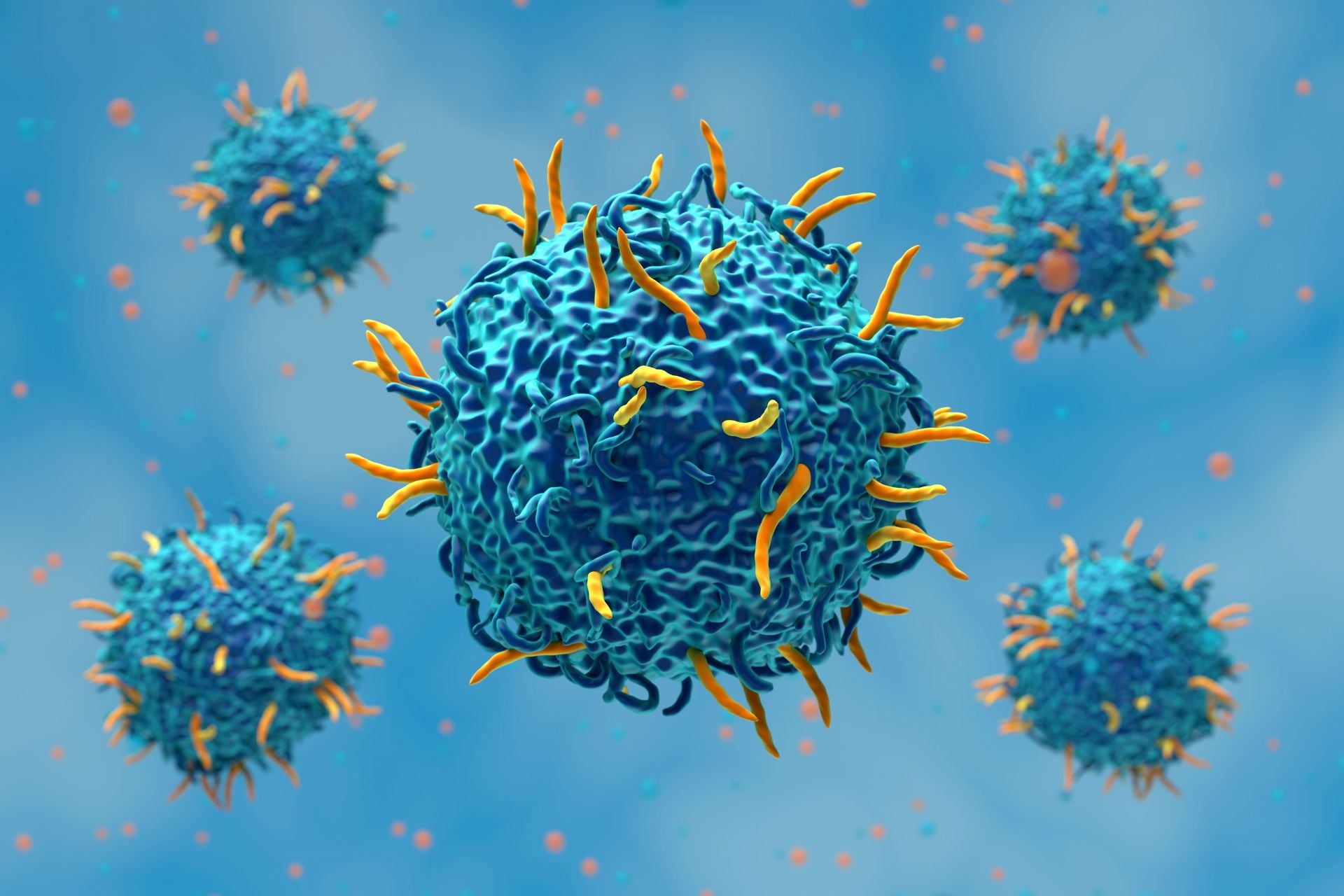
A three‑year‑old patient in the United States experienced a complete disappearance of a malignant tumor after receiving an experimental form of CAR T cell immunotherapy, marking a rare success for a therapy traditionally aimed at blood cancers.
The treatment involved extracting the child's T cells, genetically reprogramming them to recognize a protein expressed on the tumor, and re‑infusing the engineered cells back into the bloodstream. Unlike earlier CAR T products that target blood‑borne cancers, this version was designed to penetrate and attack solid tumor tissue, a longstanding obstacle for the technology.
Researchers have been working for years to adapt CAR T therapy for solid tumors, which present physical barriers and a more heterogeneous antigen landscape than leukemias or lymphomas. Recent advances include modifications that enhance cell trafficking to tumor sites and protect engineered cells from the suppressive tumor microenvironment. The toddler's case represents one of the first documented instances where these refinements produced a visible clinical remission.
Pediatric solid tumors such as neuroblastoma and sarcoma account for a significant share of childhood cancer deaths, and standard treatments often involve aggressive surgery, chemotherapy, and radiation with lasting side effects. An effective, targeted immunotherapy could reduce reliance on these approaches and improve long‑term quality of life for young patients and their families.
The positive outcome has prompted the trial’s investigators to expand enrollment and to monitor the child for durability of response and potential late effects. Regulatory agencies are reviewing the data as part of a broader effort to assess CAR T safety in solid‑tumor contexts. While researchers caution that a single case does not guarantee reproducibility, the result fuels optimism that the next generation of CAR T therapies may eventually become a mainstream option for solid cancers across age groups.


Comments (0)
Be the first to comment.
Join the discussion