ZWO Unveils All‑In‑One Seestar S50 Pro Smart Telescope
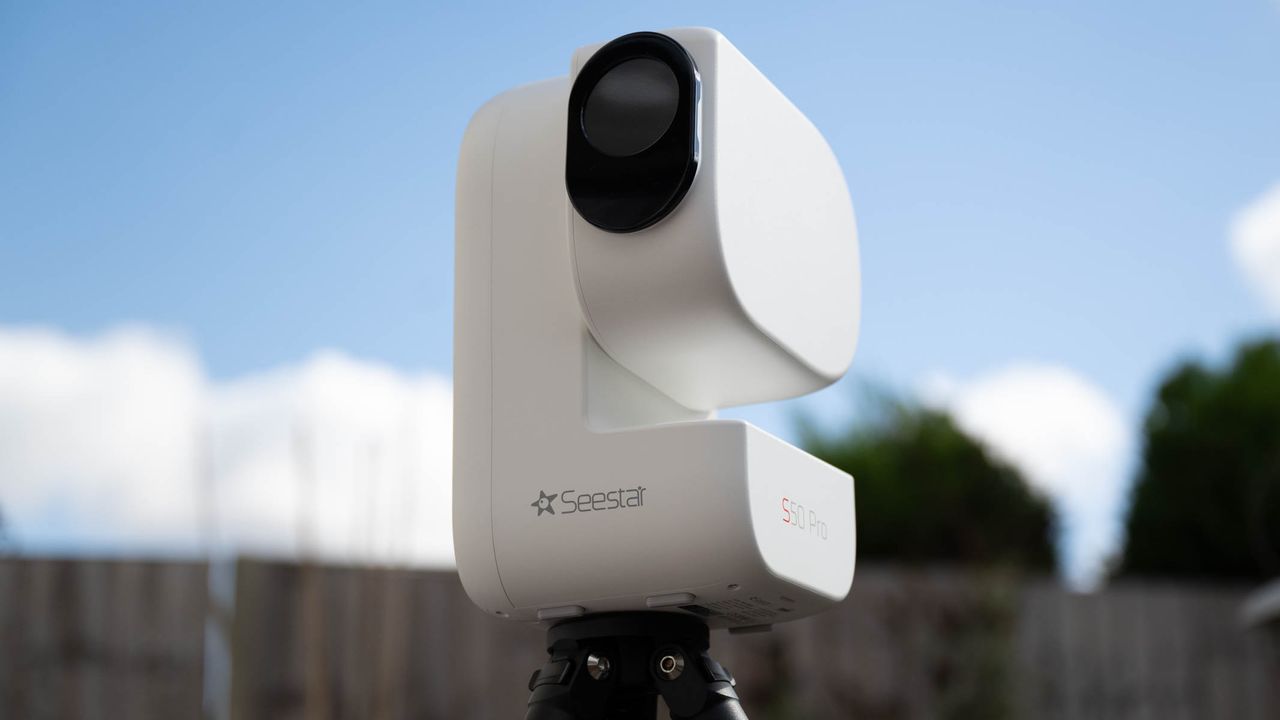
On August 25, 2026, ZWO released the Seestar S50 Pro, a fully integrated smart telescope aimed at both novice and seasoned sky‑watchers.
The S50 Pro arrives pre‑assembled with a motorised mount, a built‑in camera, and a solar filter, allowing users to begin visual or imaging sessions without purchasing separate components. All functions are accessed through the Seestar mobile application, which runs on iOS and Android devices and provides automated alignment, tracking and exposure controls.
The launch reflects a growing trend toward “plug‑and‑play” astronomy gear that lowers the barrier to entry. Traditional telescopes often require separate finderscopes, adapters, power supplies and software, steps that can discourage newcomers. By bundling the essential hardware and handling most of the technical setup in software, ZWO hopes to make the hobby more approachable.
For solar observers, the inclusion of a dedicated solar filter is particularly notable, as it eliminates the need to source a third‑party accessory that meets strict safety standards. The app’s real‑time image processing also offers a preview of the Sun’s surface features, which can be shared instantly on social platforms or saved for later analysis.
Industry analysts see the Seestar S50 Pro as a benchmark for future releases, expecting ZWO to roll out firmware updates that could expand the telescope’s capabilities, such as deeper planetary imaging or integration with third‑party astrophotography tools. Early reviews, including one from LiveScience, have highlighted the convenience factor, and consumer response in the coming weeks will indicate whether the all‑in‑one model can sustain market interest amid competing smart‑telescope offerings.
ZWO, known for its affordable astrophotography cameras, has leveraged its experience in sensor technology to design the S50 Pro’s imaging module. The company’s shift from standalone cameras to an integrated telescope platform signals an attempt to capture a larger share of the home‑observing market, where it has previously competed mainly on price and image quality.
Critics note that the reliance on a smartphone for control may limit use in remote locations where cellular service is unavailable, though the app functions offline once the telescope is calibrated. Additionally, the bundled price point is higher than that of a comparable DIY setup, a factor that budget‑conscious hobbyists will weigh against the convenience of an out‑of‑the‑box solution.


Comments (0)
Be the first to comment.
Join the discussion