Even a Shut‑Down PC Can Juice Your Phone—What You Need to Enable
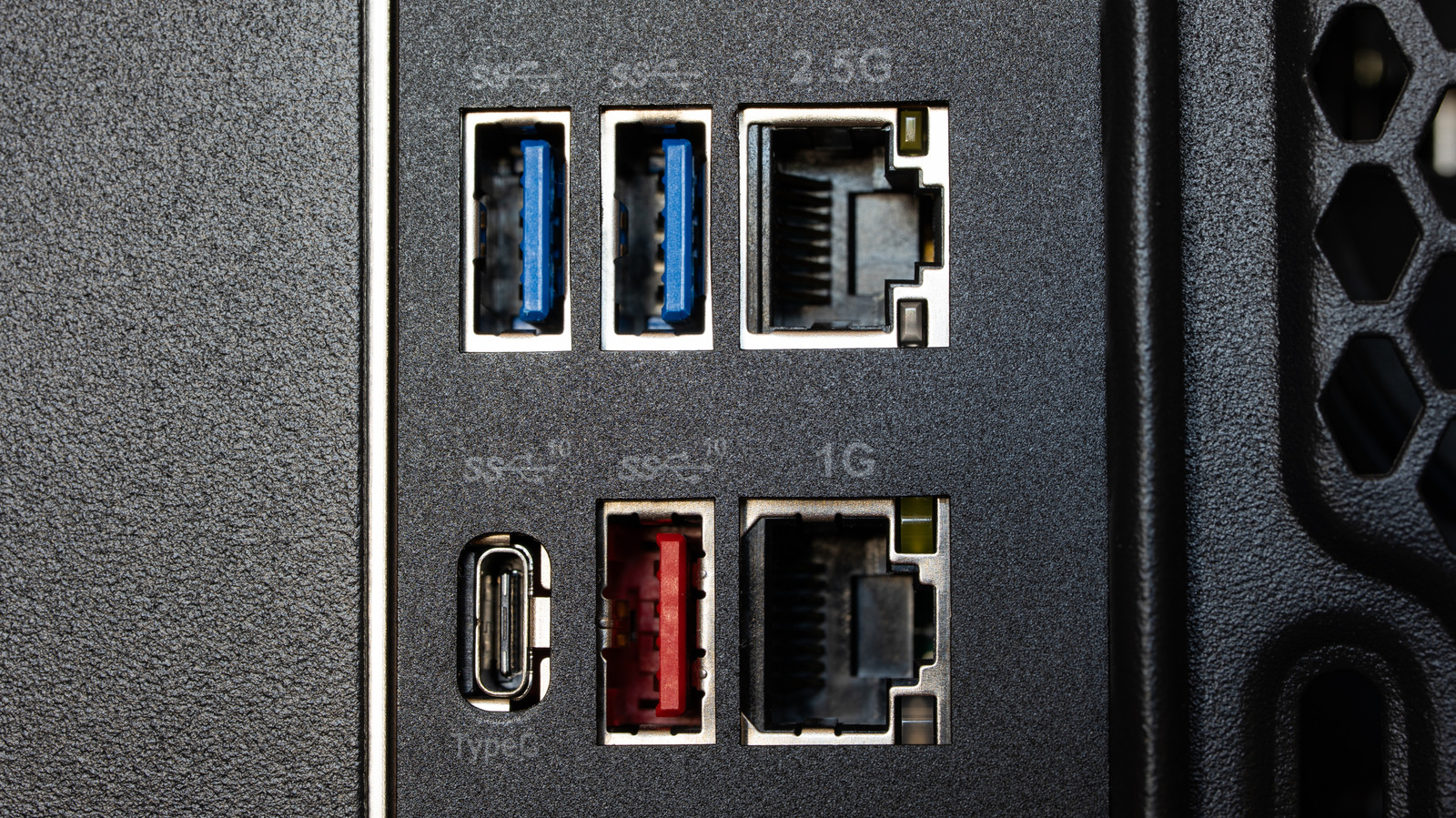
Modern computers can keep a small amount of power flowing to their USB ports even after the operating system has been turned off, meaning a laptop or desktop can still charge a smartphone while the machine sits idle.
The trick lies in a feature built into many recent motherboards that maintains a 5‑volt standby rail for selected USB connectors. Often marketed as "USB charging" or "ErP ready" support, the circuit stays live as long as the PC remains plugged into mains power, regardless of whether the system is shut down, hibernating, or in a low‑power sleep state.
To take advantage of the capability, users typically need to enable it in the system firmware. A BIOS/UEFI menu usually contains a toggle labeled something like "USB Power in Soft Off" or "Charge USB Devices when Off." Enabling the option activates the standby voltage on designated ports—usually the front‑panel connectors or specific rear ports marked with a lightning bolt icon. Some manufacturers also provide a Windows utility that can control the feature, but the firmware setting is the most reliable method.
Not every port will deliver a charge, and the amount of power is modest, generally capped at 2.5 watts (0.5 A at 5 V). This is enough to top up a phone or small wearable, but not to power larger devices such as tablets or external hard drives. Older PCs lacking the standby rail, or systems whose power supplies do not support the feature, will not provide any charge when off. Likewise, laptops that completely cut power to the chassis for battery preservation will not charge via USB unless a dedicated charging port is present.
The convenience of a powered‑off charger can be significant for users who frequently leave their phones on a desk while the computer is not in use. It reduces reliance on wall adapters, cuts down on cable clutter, and can slightly lower overall energy consumption by eliminating the need for a separate charger that draws power continuously.
Looking ahead, the trend toward universal USB Power Delivery (USB‑PD) and higher‑power USB‑C ports suggests that future PCs may offer even more flexible charging options while offline. As manufacturers standardize these capabilities and operating‑system power‑management policies evolve, the line between a computer and a multi‑device power hub is likely to blur further.



Comments (0)
Be the first to comment.
Join the discussion