Rethinking Home Design: How Everyday Houses Are Becoming Wildlife Sanctuaries
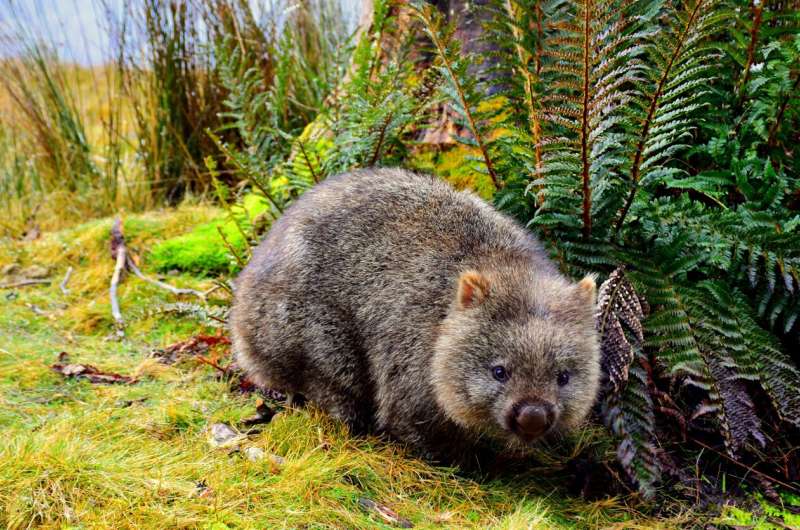
Urban and suburban dwellings are increasingly serving as unexpected refuges for native animals, with sightings of species such as bare‑nosed wombats nesting beneath foundations and common brushtail possums making their way into attics becoming more frequent.
Experts point out that the expansion of human development has reduced natural habitats, prompting adaptable mammals to seek shelter in the nooks and crannies of residential structures. The warm, dry conditions under decks, the insulation of roof spaces and the relative safety from predators make houses attractive alternatives to the open bushland they once roamed.
While these encounters can be charming, they also raise practical concerns for homeowners, ranging from structural damage to potential health risks associated with droppings and parasites. The situation highlights a growing need to integrate wildlife‑friendly principles into building design, rather than treating animal presence as a problem to be eradicated after the fact.
Architects and urban planners are responding by incorporating features such as dedicated wildlife corridors, elevated entry points, and removable panels that allow safe animal access while preserving the integrity of the home. Simple measures—like sealing gaps around plumbing, installing mesh screens on vents, and providing external nesting boxes—can guide animals toward suitable habitats away from critical living areas.
Community education initiatives are also playing a role, encouraging residents to recognize signs of wildlife activity and to report sightings to local conservation groups. By fostering a collaborative approach, neighborhoods can balance human comfort with the ecological benefits of cohabitation, such as pest control and pollination support.
Looking ahead, building codes may evolve to include mandatory wildlife considerations, especially in regions where native species are under pressure from habitat loss. As the line between built environment and natural landscape blurs, designing homes with nature in mind could become a standard practice rather than an optional add‑on, turning every backyard into a small but meaningful piece of the broader ecosystem.


Comments (0)
Be the first to comment.
Join the discussion