Yale Breakthrough Uncovers Potential Pathway for Parkinson's Spread, Offers New Therapeutic Target
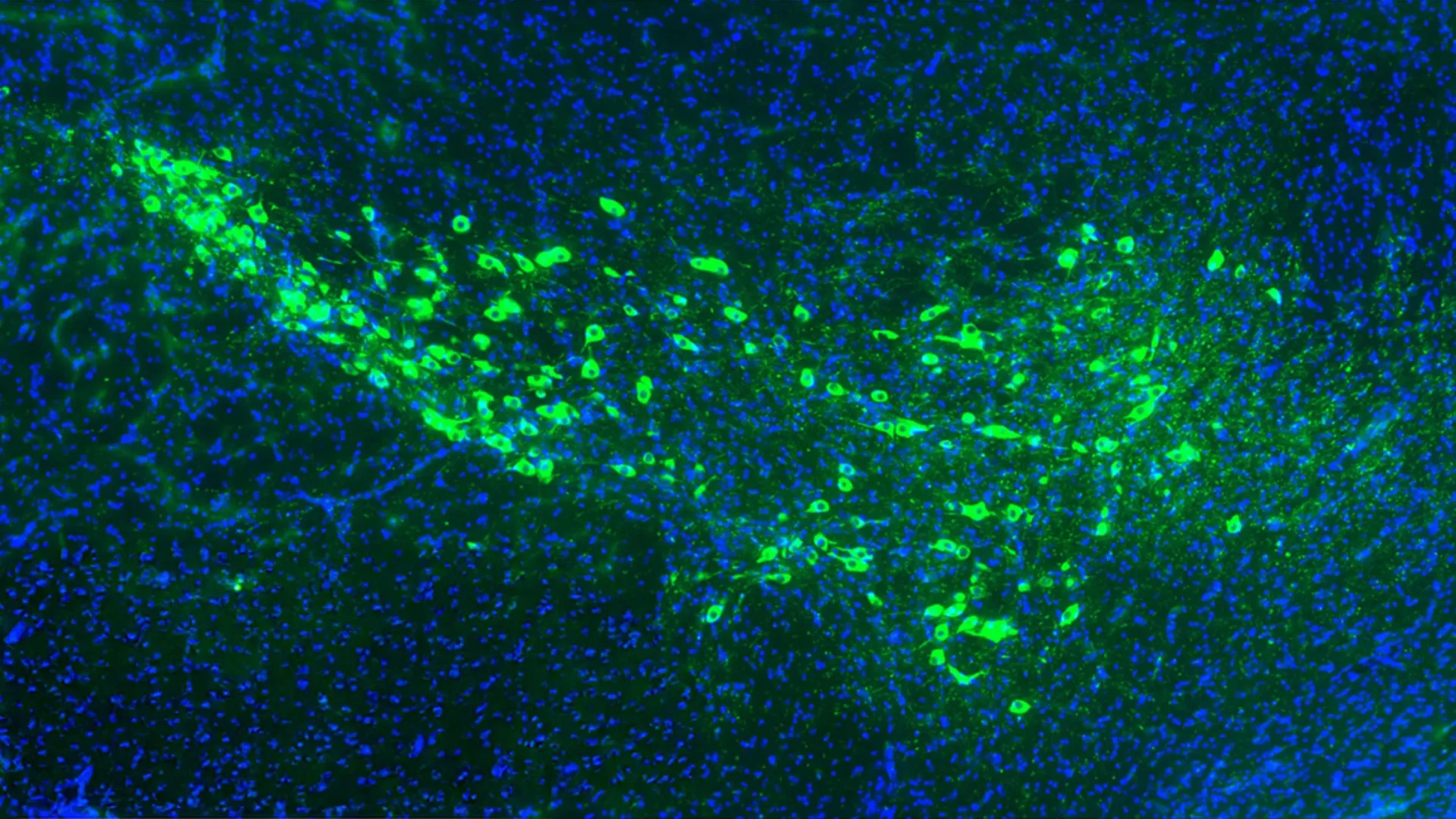
Yale University scientists have identified two specific proteins on the surface of neurons that appear to facilitate the spread of the toxic protein linked to Parkinson's disease. This discovery, detailed in recent findings, presents a significant new target for developing future therapies that could potentially slow or halt the progression of the debilitating neurodegenerative condition.
Parkinson's disease is a progressive disorder that primarily affects the central nervous system, leading to tremors, rigidity, slow movement, and difficulties with balance and coordination. At its core, the disease is characterized by the accumulation and misfolding of a protein called alpha-synuclein, which forms clumps known as Lewy bodies. These protein aggregates are believed to spread from cell to cell throughout the brain, contributing to the widespread neuronal damage seen in patients.
For years, researchers have sought to understand the precise mechanisms by which these harmful alpha-synuclein proteins propagate across neural networks. The Yale team's breakthrough centers on identifying two distinct proteins located on the exterior of brain cells that seem to act as key facilitators in this process, essentially helping the toxic protein move from one neuron to another.
To test their hypothesis, the scientists conducted experiments involving mice models of Parkinson's disease. By strategically blocking the activity of these newly identified surface proteins, they observed a dramatic reduction in the spread of the disease-associated alpha-synuclein aggregates. Crucially, this intervention also led to a significant decrease in the overall progression of Parkinson's-like symptoms in the treated animals.
The findings offer a compelling new avenue for therapeutic development. Current treatments for Parkinson's disease primarily focus on managing symptoms, often by replenishing dopamine levels in the brain. However, they do not address the underlying neurodegeneration or halt the disease's advancement. Targeting these newly discovered surface proteins could represent a paradigm shift, allowing for interventions that directly prevent the spread of the toxic protein and, consequently, the disease itself.
While the results in mice are highly promising, researchers emphasize that this is an early-stage discovery. Further extensive research will be necessary to fully understand the intricate roles of these proteins and to translate these findings into effective human treatments. The next steps will likely involve more detailed preclinical studies and, eventually, carefully designed clinical trials.
Nevertheless, this work from Yale scientists provides a beacon of hope for millions worldwide affected by Parkinson's disease. By pinpointing the specific molecular machinery involved in the disease's propagation, the door is now open for the development of innovative drugs that could offer not just symptomatic relief, but potentially a way to modify the course of this challenging neurological disorder.


Comments (0)
Be the first to comment.
Join the discussion