EU Mandates Driver-Facing Cameras in New Cars, Igniting Privacy Debate
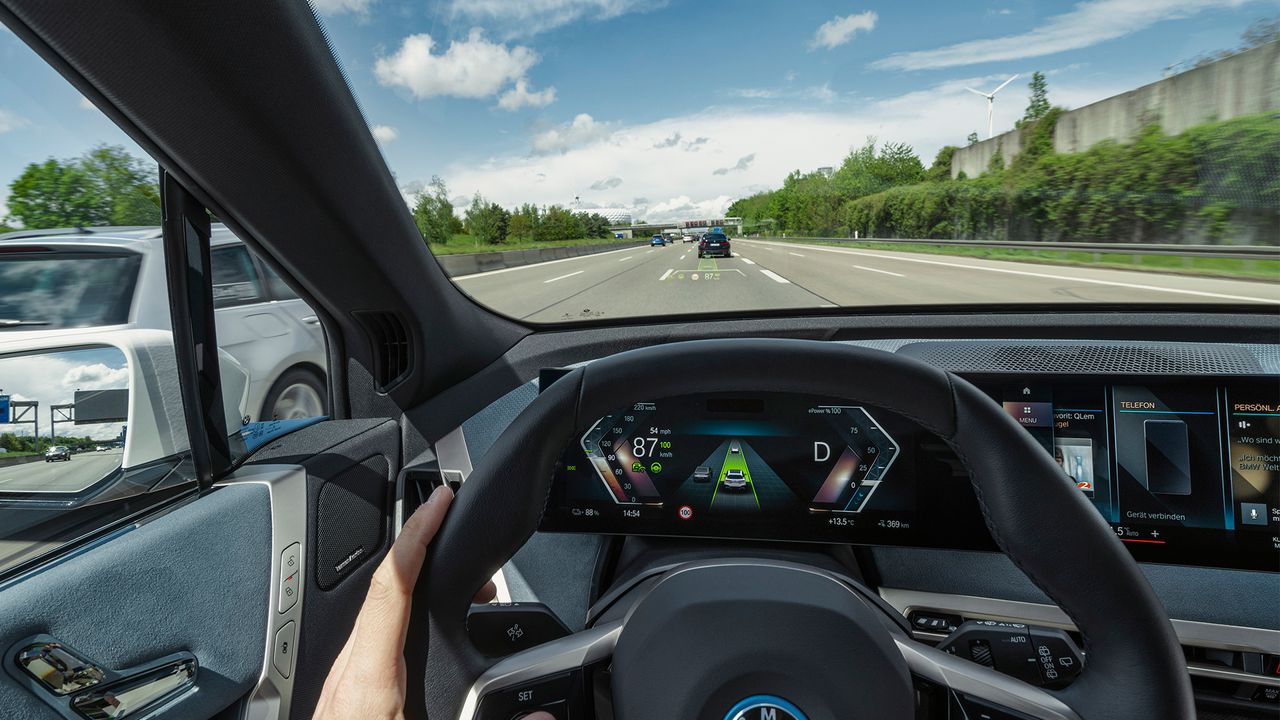
A new expansion of the European Union's General Safety Regulation (GSR) will soon require all newly registered vehicles across the bloc to be equipped with driver-facing cameras as part of sophisticated Driver Distraction Warning (DDW) systems. While proponents highlight the potential for enhanced road safety, the mandate has immediately drawn criticism from privacy advocates concerned about the pervasive collection of personal data.
The European Commission confirmed this week that the updated regulation will necessitate these internal monitoring systems in all new cars entering the EU market. The technology is designed to observe a driver's attention levels, identifying signs of distraction or drowsiness to alert them and potentially prevent accidents.
The integration of DDW systems, which rely on cameras pointed directly at the driver's face, marks a significant step in the EU's ongoing efforts to reduce road fatalities and injuries. By actively monitoring driver behavior in real-time, these systems aim to intervene before dangerous situations escalate, potentially saving lives across European roads.
However, the move has not been met with universal acclaim. Organizations advocating for digital rights and personal privacy have quickly voiced substantial reservations. Their primary concern revolves around the sensitive nature of the data collected by these cameras, which will record detailed biometric information about individuals behind the wheel.
Questions are being raised regarding how this intimate data will be stored, for how long it will be retained, and who will have access to it. Privacy advocates fear that without robust safeguards, such data could be vulnerable to misuse, unauthorized access, or even potential surveillance beyond its stated safety purpose.
This development situates itself within a broader trend of increasing technological integration and data collection within modern vehicles. As cars become more connected and autonomous, the line between convenience, safety, and personal privacy continues to be debated by policymakers, manufacturers, and the public alike.
The implementation of these new requirements means that from this week onward, any new vehicle model registered for sale within the European Union must comply with the expanded GSR, making driver-facing cameras a standard feature. This swift rollout underscores the EU's commitment to its safety agenda.
As these systems become ubiquitous, the discourse between ensuring public safety and protecting individual liberties is expected to intensify. Regulators will likely face ongoing pressure to clarify data handling protocols and ensure transparency, while manufacturers navigate the technical and ethical complexities of deploying such intrusive, yet potentially life-saving, technology.



Comments (0)
Be the first to comment.
Join the discussion