Apple’s Upcoming Foldable Could Keep iPhone 17 Prices Steady, Analysts Say
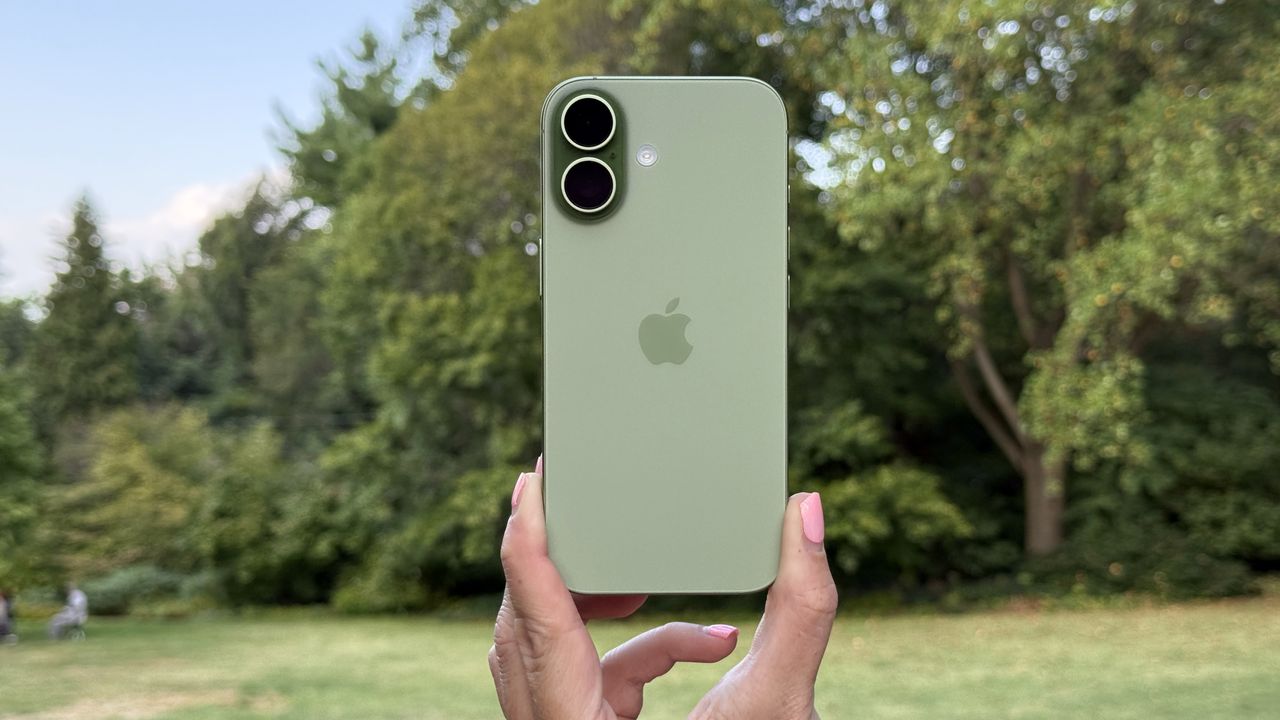
Apple fans expecting a price cut on the iPhone 17 after the arrival of the next model may have to temper their optimism, industry analysts say. While a new iPhone typically triggers a discount on the previous generation, this year’s market dynamics are more complex.
The tech giant is poised to unveil a long‑rumored foldable handset, widely believed to be the iPhone 18, later this year. Introducing a premium‑priced, mechanically intricate device could shift Apple’s pricing strategy, as the company may choose to keep its flagship line’s price points stable to avoid cannibalising sales of the foldable.
Compounding the situation are soaring costs for memory components. DRAM and NAND prices have surged well beyond the levels seen in recent years, driven by heightened demand across data‑center, AI, and consumer electronics sectors. Because Apple sources large volumes of these chips for its devices, the higher component expense translates into tighter margins for the iPhone 17.
Historically, Apple has used modest price reductions on older models to clear inventory and attract price‑sensitive buyers. However, with memory costs eroding profit margins, the company may be reluctant to slash prices aggressively. Analysts suggest Apple could instead offer modest promotional deals, carrier subsidies, or trade‑in incentives rather than a blanket price drop.
Supply‑chain observers note that Apple’s inventory of the iPhone 17 is already lower than in previous cycles, reflecting a strategic decision to limit stock ahead of the foldable launch. A leaner inventory reduces the pressure to discount heavily, but it also means fewer devices will be available at reduced prices for consumers who prefer the proven form factor.
Consumer response will likely hinge on how the foldable is positioned. If Apple prices the new device at a premium well above the iPhone 17’s current cost, a segment of buyers may still opt for the older model, prompting Apple to offer targeted discounts. Conversely, a competitive foldable price could force Apple to keep the iPhone 17’s price relatively unchanged to preserve brand equity.
Looking ahead, the situation underscores a broader shift in Apple’s product strategy. The company appears to be moving beyond incremental upgrades toward diversifying its high‑end portfolio, a move that could reshape pricing patterns for years to come.
For now, shoppers should monitor carrier promotions and Apple’s own trade‑in program rather than counting on a standard post‑launch price cut. The exact pricing approach will become clearer as the foldable’s official unveiling approaches later this year.



Comments (0)
Be the first to comment.
Join the discussion