Why Xbox Controllers Still Favor AA Batteries Over Built‑In Packs
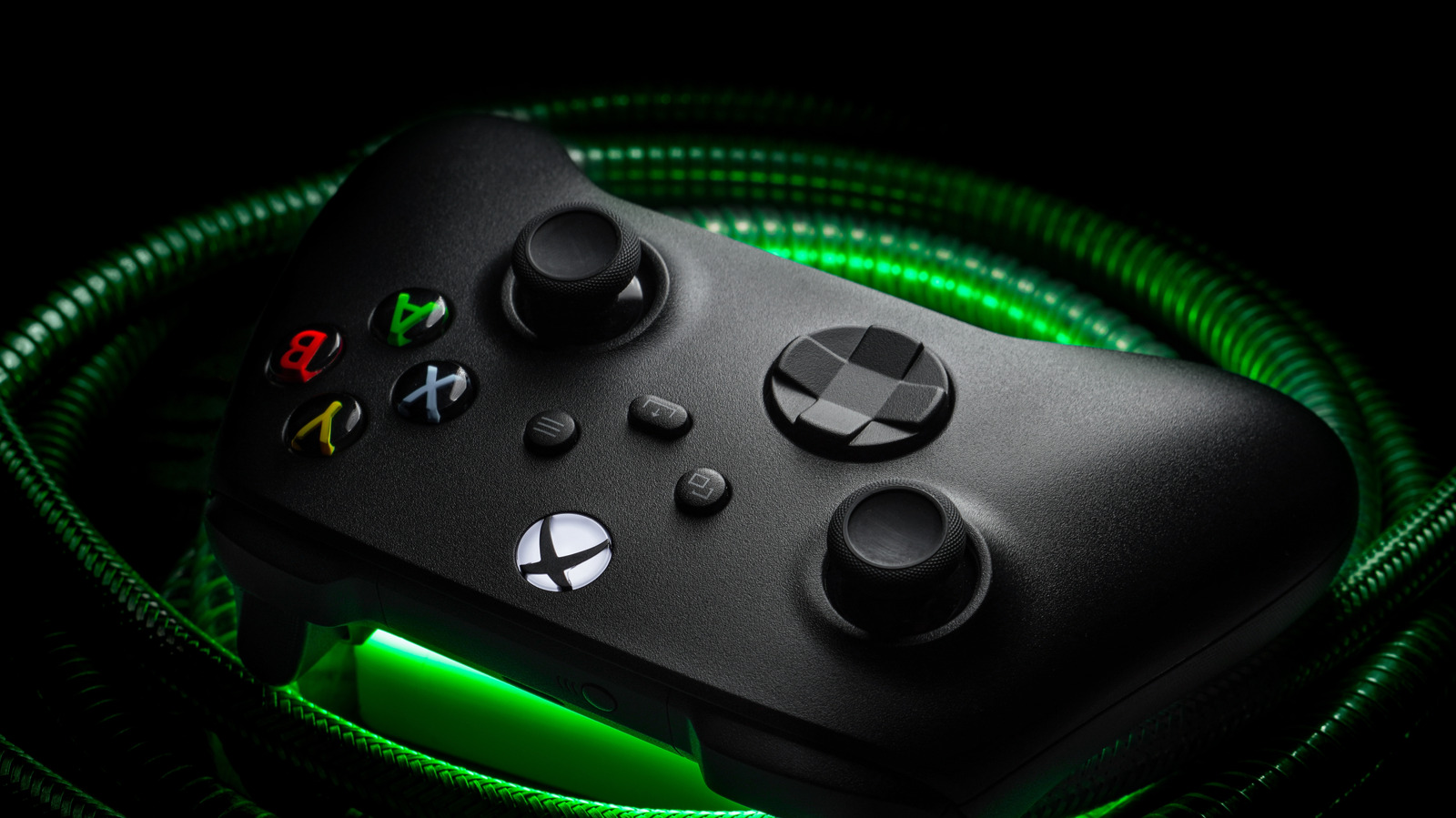
Microsoft’s Xbox controllers continue to rely on AA batteries, a choice that may appear antiquated in an era of built‑in rechargeable packs, but the decision is rooted in practical engineering and user‑experience considerations.
AA cells offer a high energy‑to‑weight ratio, delivering the sustained power needed for the controller’s wireless radio, vibration motors, and LED lighting without adding excessive bulk. This means players can enjoy long sessions without the controller feeling noticeably heavier, a balance that smaller lithium‑ion cells would struggle to achieve.
Another advantage is the ease of replacement. Gamers can quickly swap out depleted batteries for fresh ones or insert a pre‑charged rechargeable AA set, avoiding the downtime associated with charging a sealed internal pack. This plug‑and‑play simplicity is especially valuable for households with multiple controllers or for those who game in environments where access to a power outlet is limited.
From a manufacturing standpoint, using standard AA batteries reduces production complexity and cost. The controller’s design does not need a dedicated charging circuit, battery management system, or the associated safety certifications required for integrated lithium packs. This streamlines the supply chain and helps keep the retail price competitive.
Thermal management also plays a role. Rechargeable lithium cells can generate heat during charging and heavy use, which could affect the controller’s ergonomics and longevity. AA alkaline or NiMH batteries dissipate heat more predictably, minimizing the risk of overheating during extended play.
Looking ahead, Microsoft has introduced optional rechargeable battery packs that attach to the controller’s existing battery compartment, offering a hybrid solution for those who prefer built‑in power without discarding the AA format. The continued presence of AA slots ensures backward compatibility and flexibility, allowing users to choose between disposable, rechargeable, or even high‑capacity specialty cells based on personal preference and play style.



Comments (0)
Be the first to comment.
Join the discussion