Magnetic Accessories May Sabotage iPhone Rear‑Camera Performance
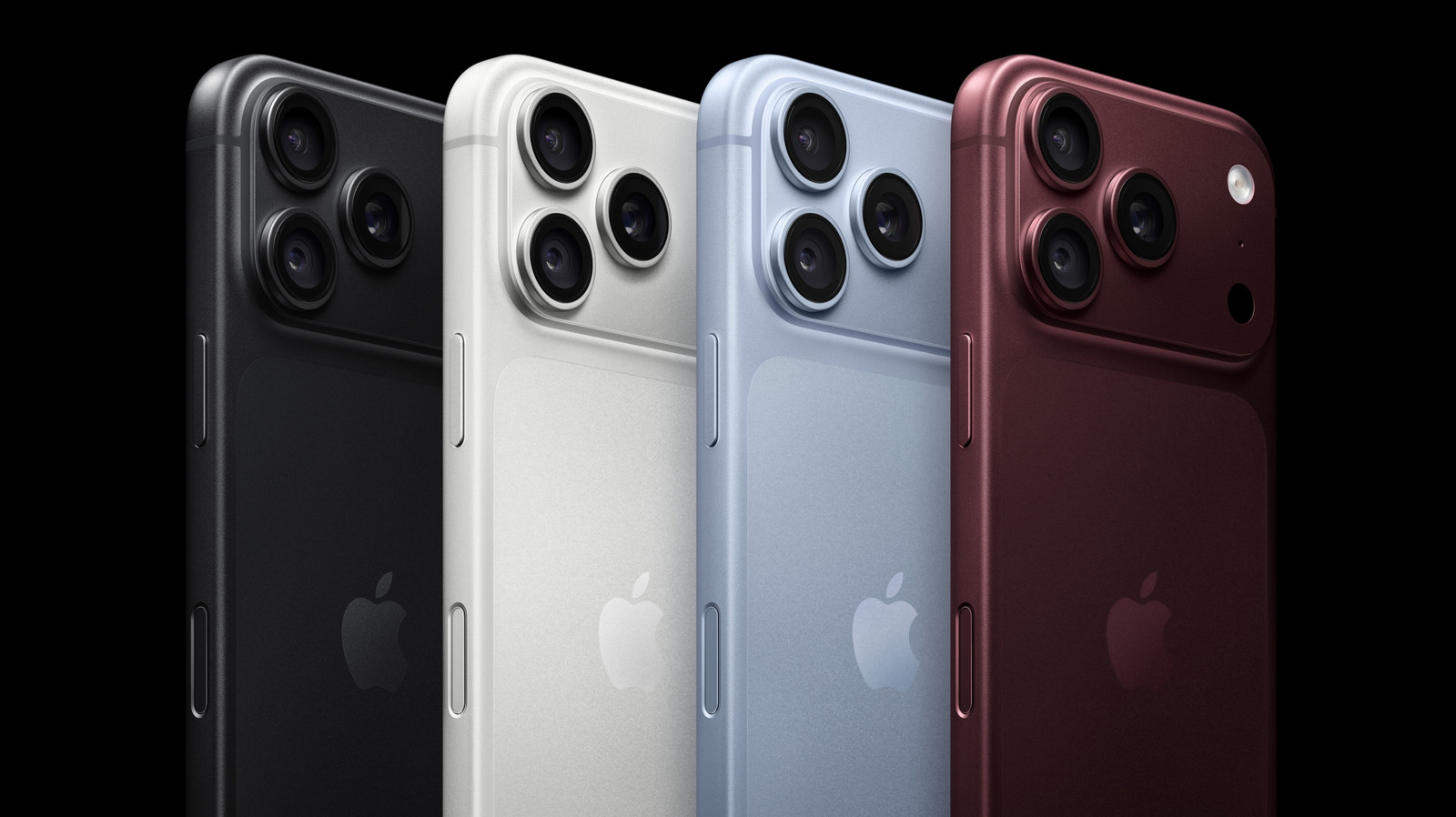
Recent testing confirms that strong magnets embedded in popular iPhone accessories can degrade the quality of rear‑facing photos, prompting users to reconsider how they attach magnetic mounts, wallets and other add‑ons.
The iPhone’s rear camera relies on a compact assembly of moving lens elements, a voice‑coil motor for autofocus, and optical image stabilization (OIS) that uses tiny electromagnetic actuators. These components are calibrated to respond to minute magnetic cues, and any external field strong enough to disturb them can cause the system to misbehave.
Apple’s own MagSafe ecosystem—charging pads, car mounts and compatible cases—uses neodymium magnets to snap into place. While Apple engineers have designed the system with shielding to keep stray fields away from the camera module, many third‑party accessories employ larger or unshielded magnets for a stronger hold, increasing the risk of interference.
Engadget’s hands‑on evaluation found that positioning a magnetic car mount within a few centimeters of the rear camera resulted in focus hunting, reduced sharpness and occasional color shifts. In side‑by‑side comparisons, images captured with a magnet‑free setup were noticeably clearer, especially in low‑light scenarios where OIS is most active.
The underlying physics is straightforward: magnetic fields can disrupt the voice‑coil motor that moves the lens for autofocus and the electromagnetic actuators that counteract hand shake. Additionally, Hall‑effect sensors that inform the camera about its orientation may receive false readings, leading the software to apply incorrect stabilization corrections.
Apple’s official documentation cautions against placing strong magnets near the camera lens, noting that the built‑in MagSafe ring is engineered to stay within safe limits. However, the guidance is less explicit about third‑party products, leaving a gray area for consumers who assume any MagSafe‑compatible item is safe for all iPhone functions.
Practical advice for iPhone owners includes keeping magnetic accessories at least two to three centimeters away from the rear camera when shooting, removing metal plates from cases before photographing, and opting for non‑magnetic mounts when possible. Users who rely on magnetic car mounts can test image quality by taking a quick photo before and after attaching the mount.
Manufacturers are taking note. Some accessory makers have begun integrating non‑magnetic silicone layers or reducing magnet size to stay within Apple’s recommended field strength. Industry observers speculate that Apple may roll out firmware updates that better compensate for external magnetic interference, though such measures can only mitigate, not eliminate, the problem.
As magnetic accessories become ever more prevalent in the smartphone ecosystem, the trade‑off between convenience and camera fidelity will remain a point of discussion. Future iPhone designs are likely to feature enhanced magnetic shielding, but for now, users should remain vigilant about the proximity of powerful magnets to their rear‑facing lenses.


Comments (0)
Be the first to comment.
Join the discussion