Ecuador’s Amazon Oil Drive Finds Indigenous Communities Divided on Development
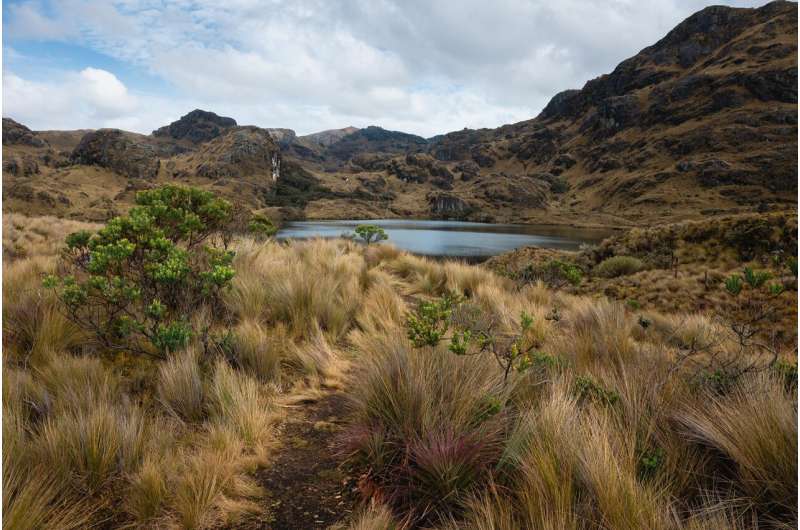
More than half of the Ecuadorian Amazon has now been earmarked for oil drilling, a move that places extensive swaths of the rainforest under the shadow of extraction projects that intersect Indigenous territories and some of the region’s richest biodiversity hotspots. While the environmental and cultural costs of oil development are well documented, the response among Indigenous peoples is not uniformly oppositional.
The push for hydrocarbons in the Amazon dates back decades, with successive governments granting concessions to multinational firms in exchange for revenue and promises of national development. Scientific studies have linked oil operations to deforestation, water contamination, and loss of species, while Indigenous groups have long warned that such impacts threaten their ways of life, which are tightly bound to the forest.
Nevertheless, a number of Indigenous communities have entered into formal agreements with the state and private operators. These contracts typically include royalty payments, funding for local infrastructure, and employment opportunities for community members. For villages that struggle with limited access to health care, education, and markets, the prospect of tangible benefits can outweigh abstract concerns about future ecological damage.
Other groups remain staunchly opposed, invoking past incidents of spills and the erosion of sacred sites as evidence of the irreversible harm oil can cause. Their arguments echo broader regional movements that have successfully halted or delayed projects in Brazil, Peru, and other parts of the Amazon, where Indigenous activism has become a cornerstone of environmental resistance.
The split in attitudes is rooted in a complex mix of factors. Economic necessity drives some communities toward acceptance, especially where alternative livelihoods are scarce. In addition, internal divisions can arise when elders prioritize cultural preservation while younger members seek modern amenities. Government policies that tie development funding to resource extraction also create pressure to cooperate, and legal frameworks sometimes limit the ability of Indigenous groups to block projects outright.
Looking ahead, the situation underscores the need for transparent, participatory decision‑making that balances national interests with the rights and aspirations of Indigenous peoples. International observers and NGOs are calling for stronger safeguards, independent monitoring of environmental impacts, and respect for free, prior, and informed consent. Whether the divided stance among Indigenous communities will translate into unified action or further entrench the status quo remains a pivotal question for the future of the Ecuadorian Amazon.


Comments (0)
Be the first to comment.
Join the discussion