Why Plug Prongs Are Pierced: The Engineering Reason Behind the Holes
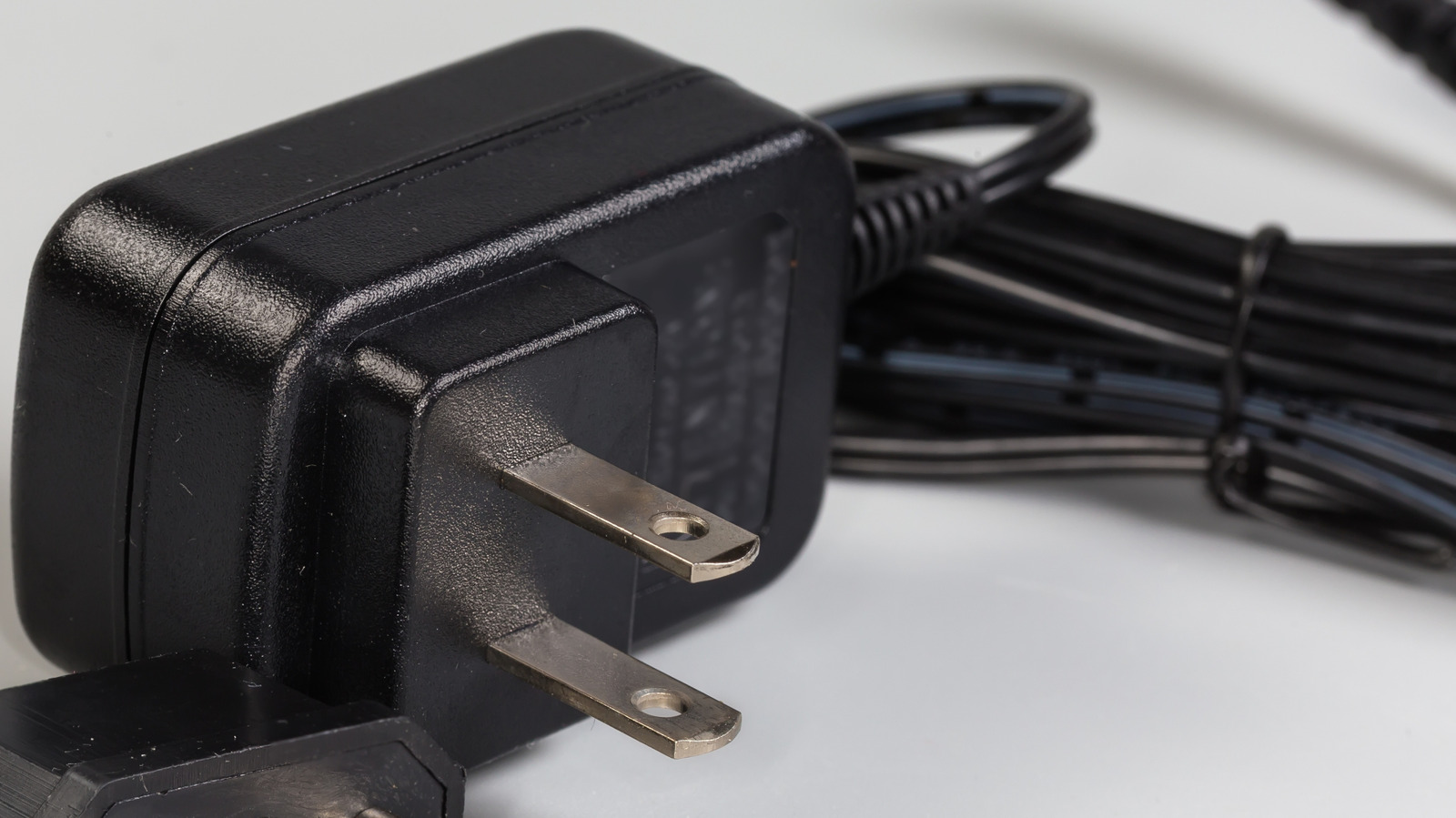
Anyone who has examined a household plug will notice that many of the metal blades are not solid but feature one or more circular cut‑outs. The perforations are not a design quirk or a hidden conspiracy; they are a deliberate engineering solution that balances safety, durability and cost across the billions of plugs manufactured each year.
From a materials standpoint, removing a small amount of metal from each blade cuts the overall weight of the plug and reduces the amount of copper or brass required for production. The savings are modest on a single unit, but when multiplied by global manufacturing volumes, the reduction translates into significant material and energy savings, helping manufacturers meet both economic and environmental targets.
Beyond economics, the holes serve a functional purpose in the way plugs engage with sockets. Modern receptacles often use spring‑loaded contacts that press against the sides of the blade to maintain a secure electrical connection. The voids give the spring fingers a place to grip, ensuring consistent pressure even as the plug is inserted or withdrawn. This design improves contact reliability, reduces the likelihood of intermittent connections, and helps prevent the arcing that can occur when a solid blade slides over a spring contact without adequate compression.
The practice dates back to early 20th‑century standards bodies such as the International Electrotechnical Commission (IEC) and the American National Standards Institute (ANSI), which codified the use of perforated blades in specifications like IEC 60884‑1. Those standards called for a minimum cross‑sectional area to carry the rated current while also limiting the mass of the conductive element. By carving out a precise hole, designers could meet current‑carrying requirements without exceeding weight limits, satisfying both safety regulations and manufacturing constraints.
Safety benefits accrue as well. The reduced metal mass means less heat is generated at the contact point during normal operation, lowering the risk of overheating in high‑current applications. Additionally, the holes create a natural break in the conductive path, which can help limit the intensity of an accidental short‑circuit. In the event that a plug is only partially inserted, the exposed edges of the perforations are less likely to make unintended contact with live parts inside the socket, thereby reducing the chance of electric shock.
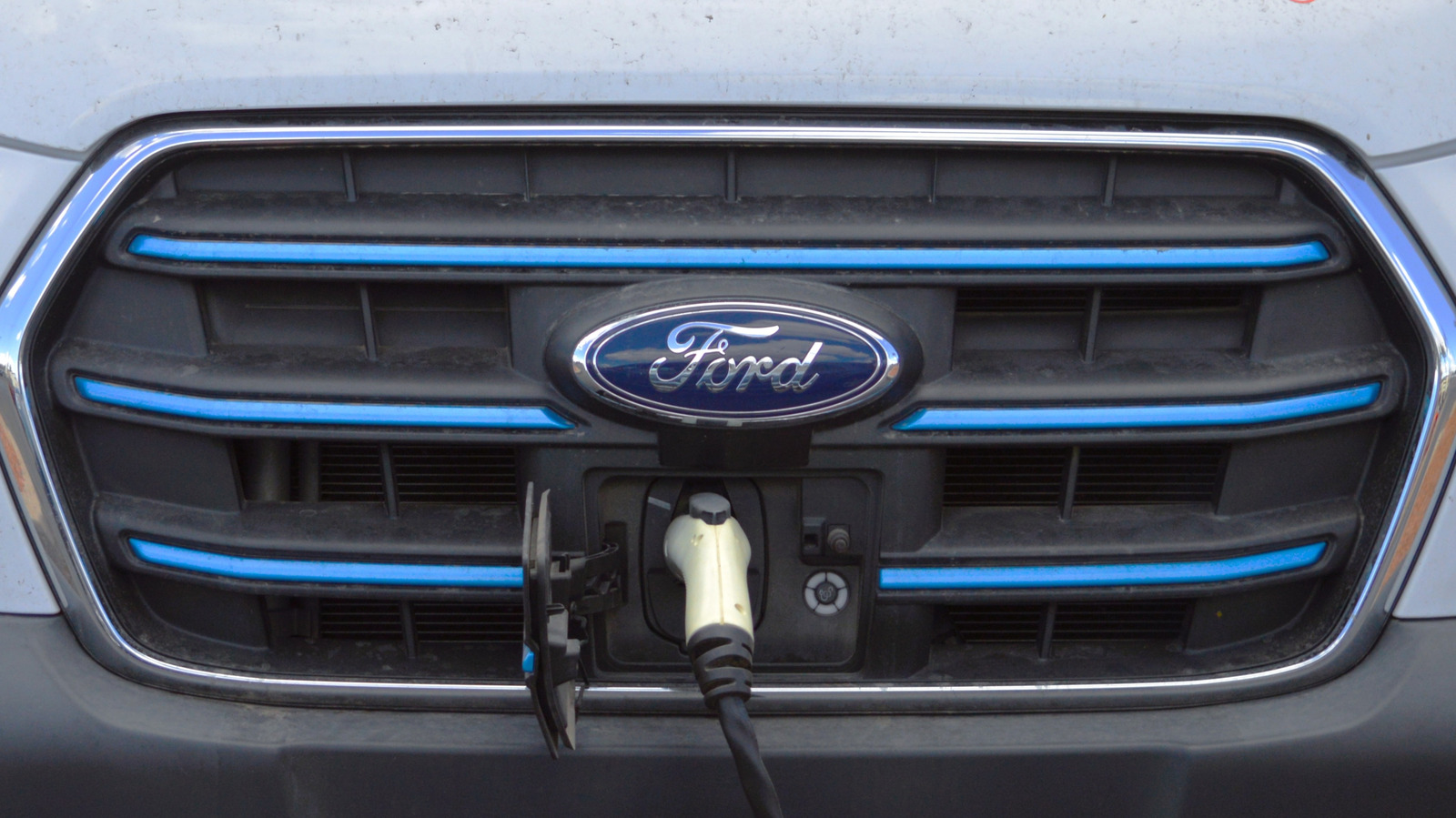
Looking ahead, the same principles are informing the design of next‑generation chargers and high‑power plugs for electric vehicles and data‑center equipment. Engineers are experimenting with larger, strategically placed apertures that accommodate higher currents while preserving the safety and durability advantages of the classic perforated blade. As standards evolve to address faster charging rates and higher power densities, the humble hole in a plug prong is likely to remain a small but essential feature of everyday electrical infrastructure.


Comments (0)
Be the first to comment.
Join the discussion